


Locations
Each entry is sourced from real video evidence and first-hand accounts curated from YouTube and serves as both a discovery tool and an growing archive, preserving these events and giving renewed visibility to content that might otherwise fade into obscurity. Join us as we map historical events and supernatural tales, captured across a diverse range of sources including news footage, personal encounters and community reports..
Use the filter to jump straight to your destination, then tap The Location Card to for more haunting information!
England
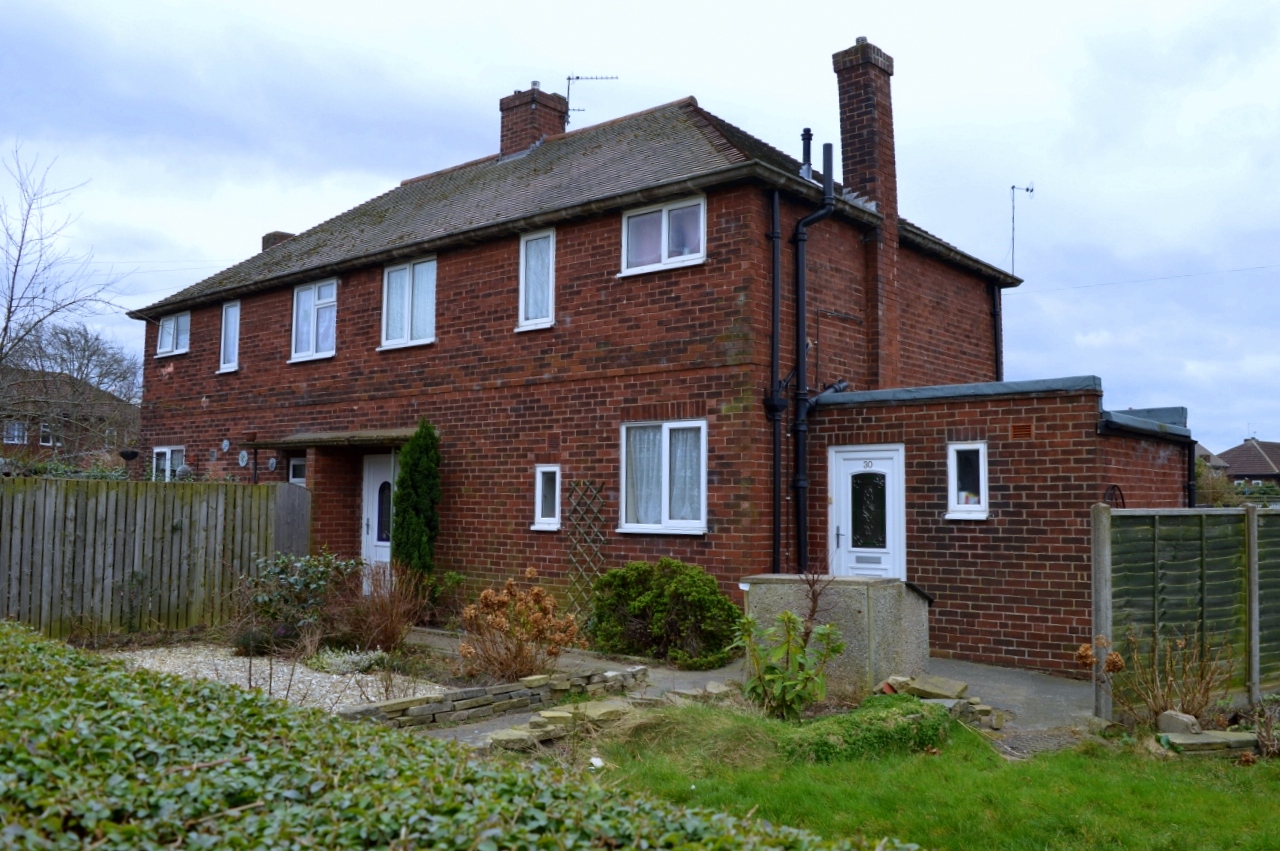
30 East Drive
England — Pontefract, Wakefield
30 East Drive is one of the UK’s most infamous haunted houses, notorious for the “Black Monk of Pontefract” poltergeist case of the late 1960s. Residents reported violent paranormal activity; moving objects, strange noises, puddles of water and sightings of a hooded black figure. Making it the subject of books, documentaries and ghost investigations. The house is now available for overnight stays and remains a hotspot for paranormal enthusiasts, with new reports still emerging.
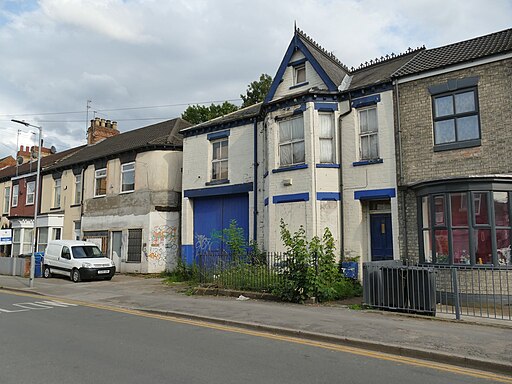
39 De Grey Street
England — Hull, East Yorkshire
Known locally as “The Hostel of the Dead,” 39 De Grey Street is infamous for intense poltergeist activity reported by multiple tenants and paranormal teams since the early 2000s. Witnesses describe shadow figures, violent door slamming, objects thrown across rooms, and the unsettling presence of a black-eyed child seen standing at the foot of beds. Investigators have captured growls, knocks responding to questions, and sudden temperature drops throughout the terraced house. Several residents fled the property abruptly, leaving belongings behind, cementing its reputation as one of Hull’s most disturbing modern hauntings.
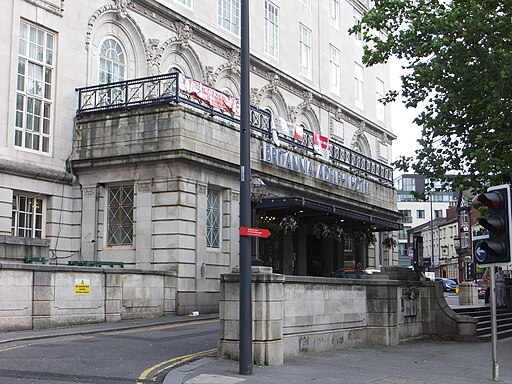
Adelphi Hotel
England — Liverpool, Merseyside
Opened in 1914, the Adelphi Hotel has a long reputation as Liverpool’s most haunted landmark, shaped by decades of guest reports and high-profile paranormal investigations. One of its best-known spirits is a man in a tuxedo seen in the Cromptons dining room, believed to be a former guest. On the third floor, witnesses report a young boy named “Charlie” who tugs at sleeves and is heard giggling in the corridor outside Room 318. Other staff speak of a porter in an old-fashioned uniform who appears on upper floors, guiding lost guests before vanishing mid-stride. Unexplained footsteps, lifts operating on their own, and voices echoing through empty function rooms have all been documented by ghost-hunting teams.
Alton Railway Station
England — Alton, Staffordshire
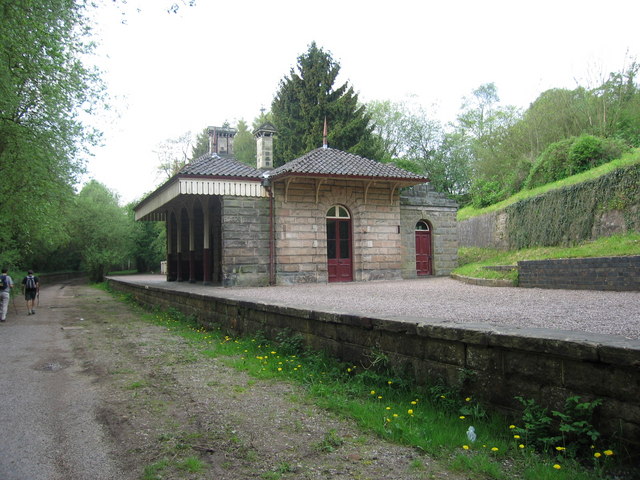
A former Italianate-style station built in 1849 on the Churnet Valley line, closed in 1965 and now restored as Landmark Trust accommodation. The site is said to be haunted by the ghost of a former stationmaster; passengers and workers; reports include footsteps echoing in empty corridors, spectral figures glimpsed on platforms and sightings of a little girl who may have died in a tragic train accident, sometimes accompanied by a friendly phantom black cat.
Alton Towers Resort
England — Alton, Staffordshire
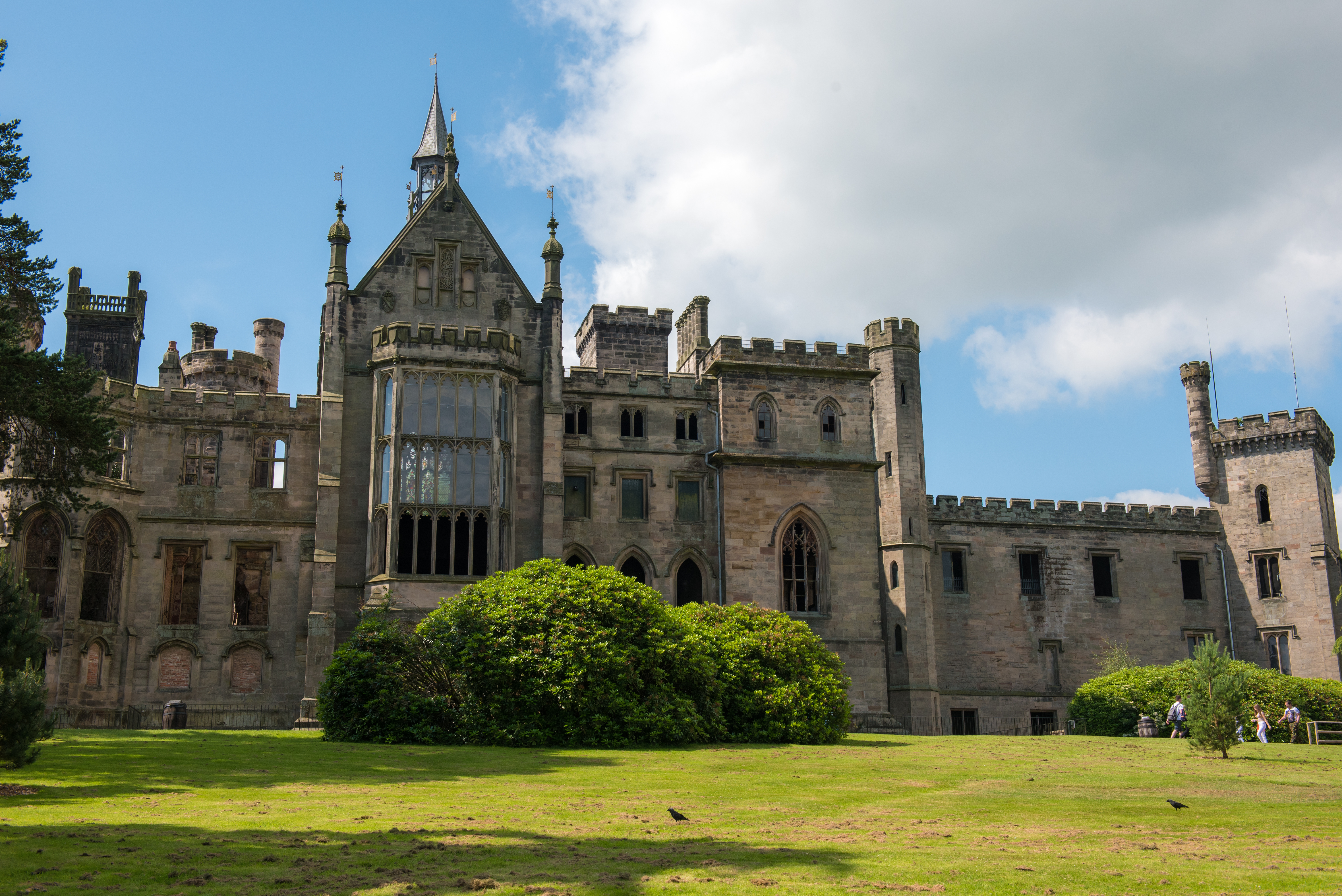
Deep within Alton Towers’ ruins, the Banqueting Hall and old kitchens are said to be haunted by a malevolent elderly woman who "hates men." Visitors report shadowy figures emerging from the hearth, poltergeist activity, and unsettling presences during ghost hunts.
Ancient Ram Inn
England — Wotton-under- Edge, Gloucestershire
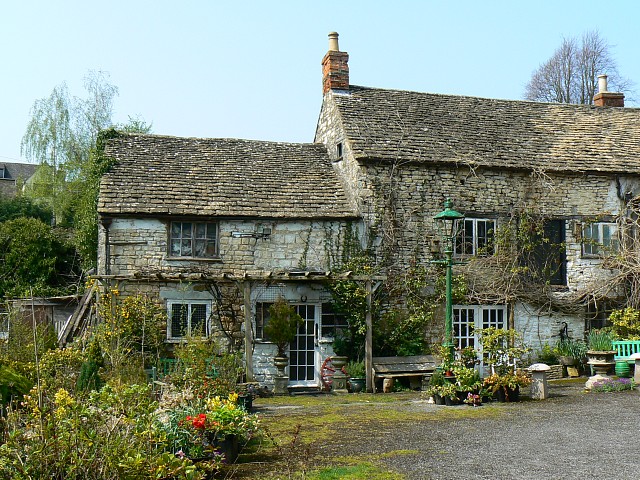
Dating back to the 12th century and built on pagan burial grounds, this former inn is famed as one of England’s most haunted sites. Guests report ghostly monks, shadowy figures, poltergeist activity, and even encounters with a demonic incubus. A hotspot for ghost hunts, it’s a must‑visit for those seeking England’s darkest paranormal experiences.
Ashwell Prison
England — Oakham, Rutland
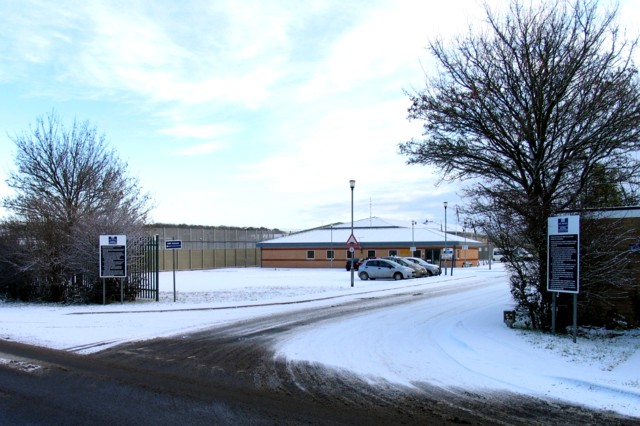
Built atop a WWII American airbase, Ashwell Prison later housed Category C inmates before closing and falling into legend. Now abandoned, investigators report echoing footsteps, voices in empty wings, objects moving on their own, and dark shadow figures, creating a spine-chilling atmosphere cocooned in silence. Night-time ghost hunts continue to draw thrill-seekers wielding EVP gear and thermal cameras to explore the haunted remnants of its cruel past
Aston Hall Mansion
England — Ashton, Birmingham
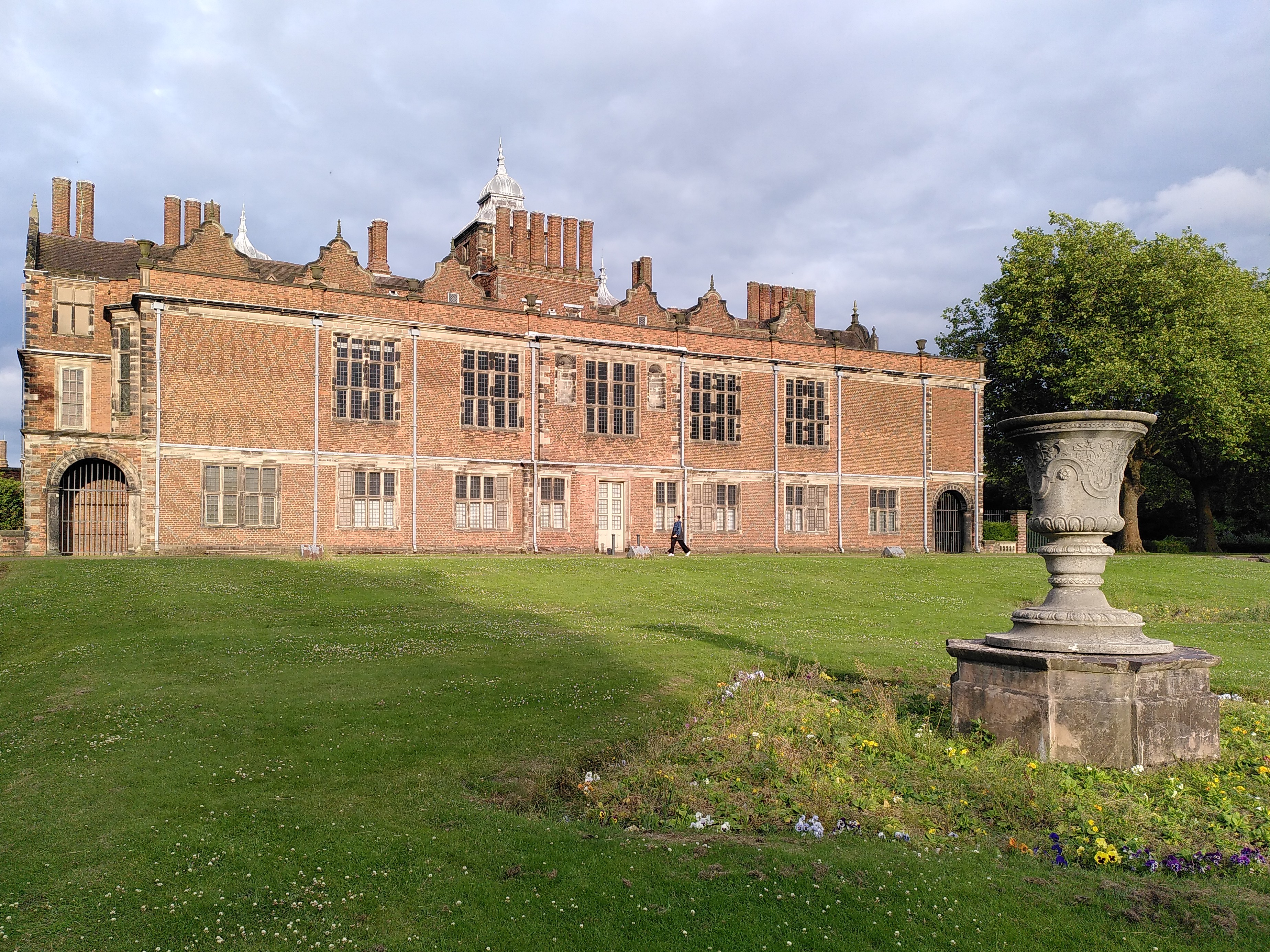
Built between 1618 and 1635, Aston Hall is a grand Jacobean mansion renowned for its rich history and its ghosts. The most famous is “Mary,” said to be the tragic daughter of Sir Thomas Holte, who according to legend, was locked in a room for years after a forbidden romance. Visitors and staff have reported hearing weeping, footsteps, and seeing a pale apparition in period dress. The hall has featured on multiple paranormal TV shows and remains one of England’s most celebrated haunted houses.
Beast of Bodmin
England — Bodmin, Cornwall
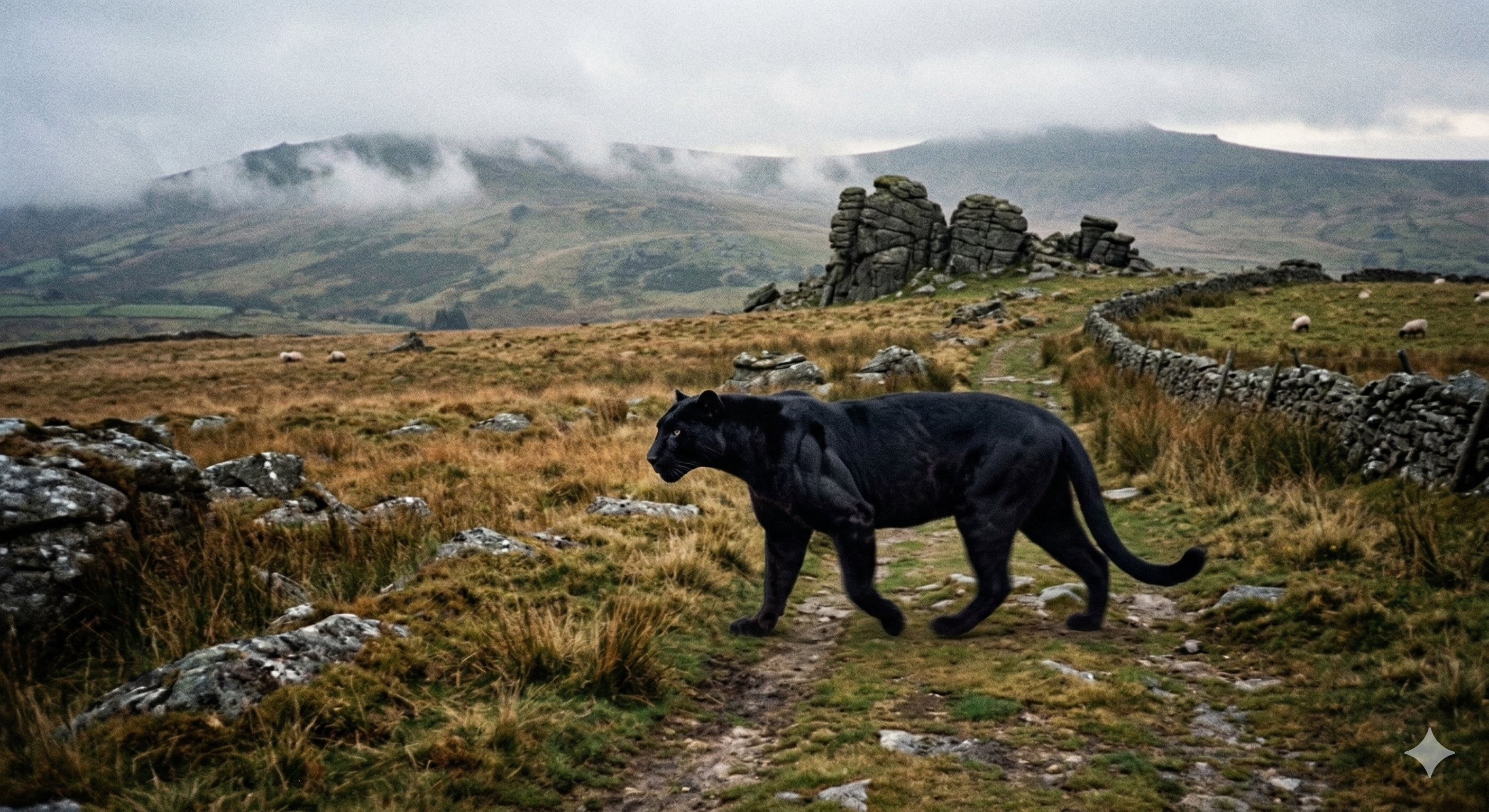
Established in the early 1980s following a wave of unusual livestock deaths, the "Beast of Bodmin" represents the UK’s primary case study for a transient, unclassified large feline. Descriptions consistently depict a large, melanistic (black) panther-like cat, roughly five feet in length, marked by an agile, low-slung gait and powerful musculature. This phenomenon is critically distinguished by the signature of the kills, which local farmers describe as consistent with a sophisticated apex predator: livestock are found with catastrophic traumatic injuries, including crushed cervical vertebrae (broken necks) and traumatic craniofacial punctures, indicating immense bite force. Reports also focus on distinct three-toed tracks and deep, parallel claw marks on surviving livestock, evidence that challenges identification as a typical large dog. The 1995 Ministry of Agriculture investigation fa…

Beast of Bolem Lake
England — Bolam Lake Country Park, Northumberland
In the early 2000s, a group of fishermen at Bolam Lake reported seeing a tall, broad, hairy figure watching them from the treeline—an encounter that sparked headlines and comparisons to “England’s Bigfoot.” Shortly after, cryptozoologist Jon Downes led a night investigation at the lake and claimed to witness the same towering creature moving between the trees. Locals have since reported heavy footsteps, snapped branches, and a foul, musky smell in the woods after dusk. Known as the Bolam Beast, the creature remains one of the UK’s most discussed humanoid cryptid sightings.
Beast of Brassknocker Hill
England — Bath, Somerset
For decades, drivers and walkers near Brassknocker Hill outside Bath have reported a strange creature that defies easy categorisation. Some describe a large, black, cat-like predator moving through the woods; others recall an upright, hairy figure more akin to an ape or even Britain’s version of Bigfoot. Local folklore has compared it to everything from escaped exotic cats to wild men of the forest, though no physical evidence has been found. The conflicting descriptions keep the legend alive as one of England’s strangest unsolved creature mysteries.
Beast of Dartmoor
England — Dartmoor, Devon
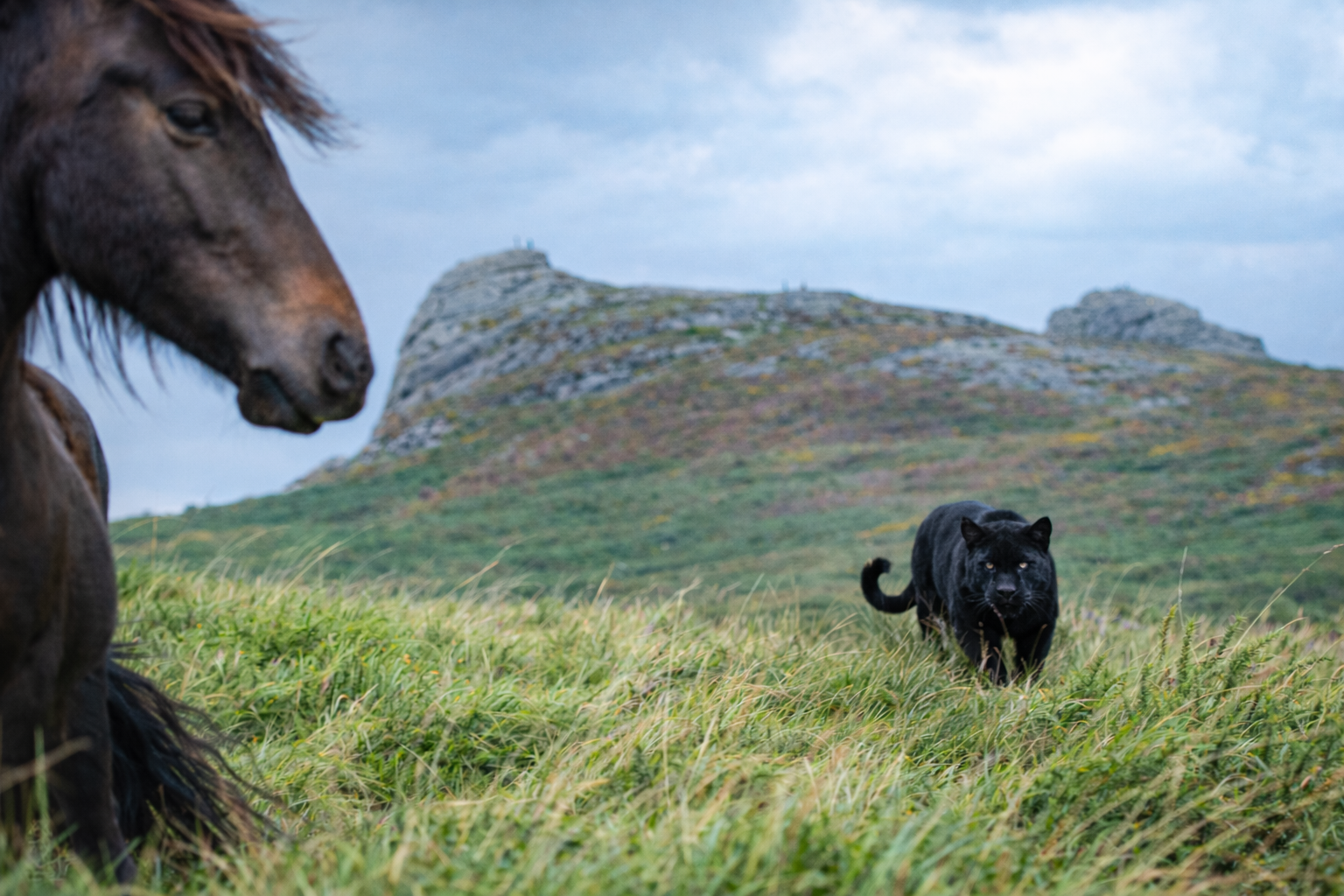
Emerging as a prominent fixture of UK cryptozoology in the late 1970s and early 1980s, the Beast of Dartmoor is characterized as a large, melanistic (black) felid, remarkably similar in morphology to a black leopard or cougar. Unlike other "phantom cats," the Dartmoor sightings are uniquely bolstered by the region's history of private exotic animal collections. A leading hypothesis suggests these predators are descendants of surplus big cats released by circus owner Mary Chipperfield following the 1976 Dangerous Wild Animals Act. The physical evidence at Dartmoor is notably visceral; livestock, particularly hardy Dartmoor ponies, have been found with specialized predatory trauma, including crushed windpipes and high-force spinal snaps—signatures that distinguish these kills from those of indigenous dogs or foxes. While the Devon and Cornwall Police have conducted several "Big Cat" invest…
Bedham Mission Church
England — Pulborough, West Sussex.
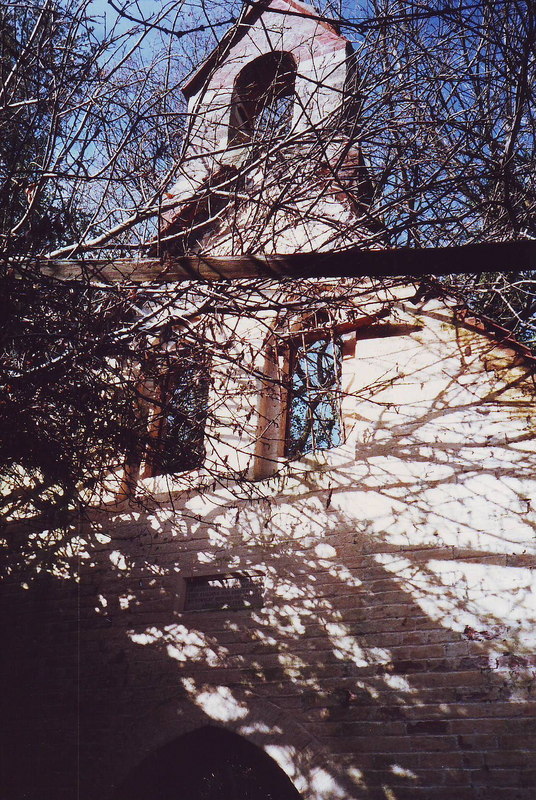
Built in 1880 and abandoned in 1959, this remote Victorian church near Pulborough, West Sussex, once served both as a place of worship and a local school. Its atmospheric, roofless ruins now stand deep in the woods, surrounded by local legends and ghost stories. Visitors often report an eerie silence, strange sensations and unexplained lights at night, making it a favourite for paranormal investigators and urban explorers. The church’s isolation and tragic history which include devastation during the 1919 influenza outbreak continue to inspire tales of hauntings to this day.
Berry Pomeroy Castle
England — Totnes, Devon
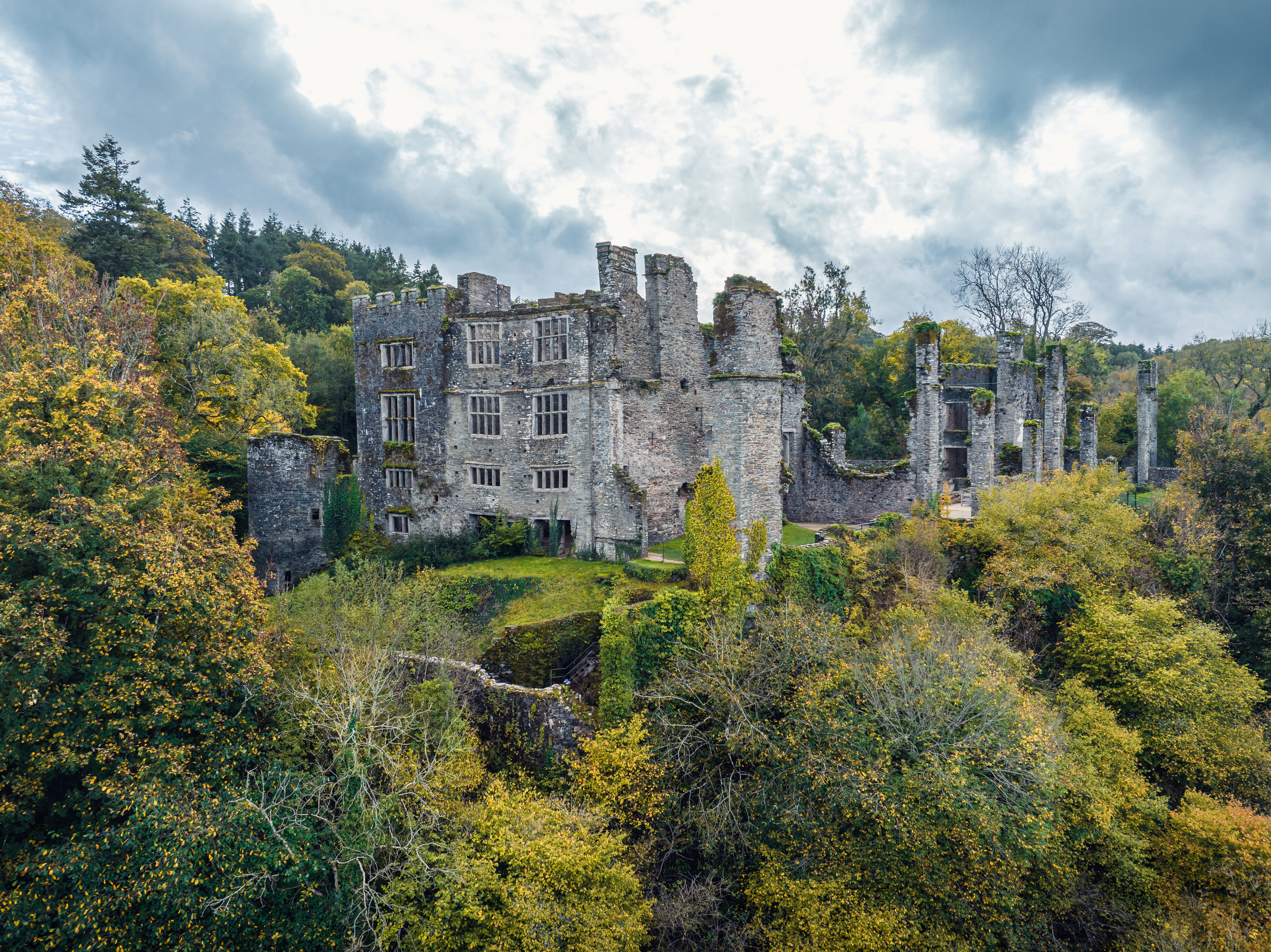
Berry Pomeroy Castle is famous for two of Britain’s most recognisable ghosts: the Blue Lady, believed to be the restless spirit of a Pomeroy daughter who lures lone visitors into dangerous areas, and the White Lady, said to be Margaret Pomeroy, imprisoned and starved by her jealous sister in the dungeons. Visitors report cold blasts, disembodied female cries, and a tall shadow figure moving through the ruined Great Hall. With its abandoned Elizabethan mansion hidden inside medieval walls, Berry Pomeroy remains one of Devon’s most intensely reported and atmospherically unsettling haunted locations.
Image coming soon
Black Eyed Children
England — Cannock Chase, Staffordshire
Reports of Black-Eyed Children on Cannock Chase date back to the 1980s, when locals described pale, ghostly youngsters with solid black eyes appearing on woodland paths before vanishing. Sightings surged again in the 2010s, with witnesses claiming encounters near Birches Valley and along old mining tracks. Paranormal groups and news outlets still cover the phenomenon, with visitors reporting chills, disorientation, and the sense of being followed in the forest after dark.
Black Horse Inn
England — Pluckley Village, Ashford
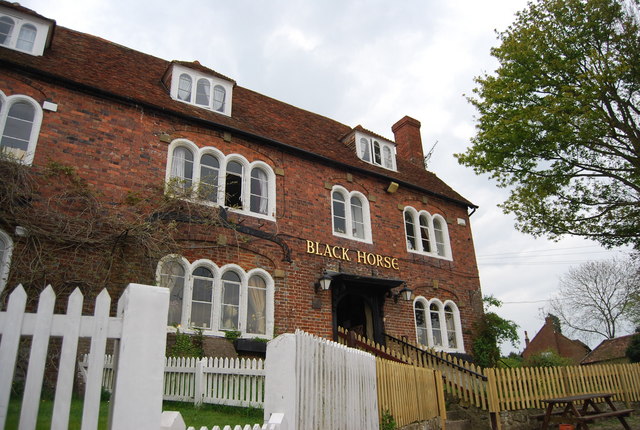
Located in Pluckley, often cited as England’s most haunted village, the Black Horse Inn is linked to the village’s darker legends, particularly the nearby Phantom Coach and reports of a male apparition in 18th-century clothing seen near the pub entrance late at night. Staff and patrons have described chairs scraping, doors opening without cause, and the feeling of being watched after closing, especially in the older bar area. Some accounts suggest the activity may be tied to smugglers and highwaymen who once passed through the village, a theme that recurs across Pluckley’s folklore. While quieter than some village sites, the inn remains a regular stop on Pluckley ghost walks due to its consistent, location-specific reports.
Blake Mere Mermaid Pool
England — Blake Mere, Staffordshire
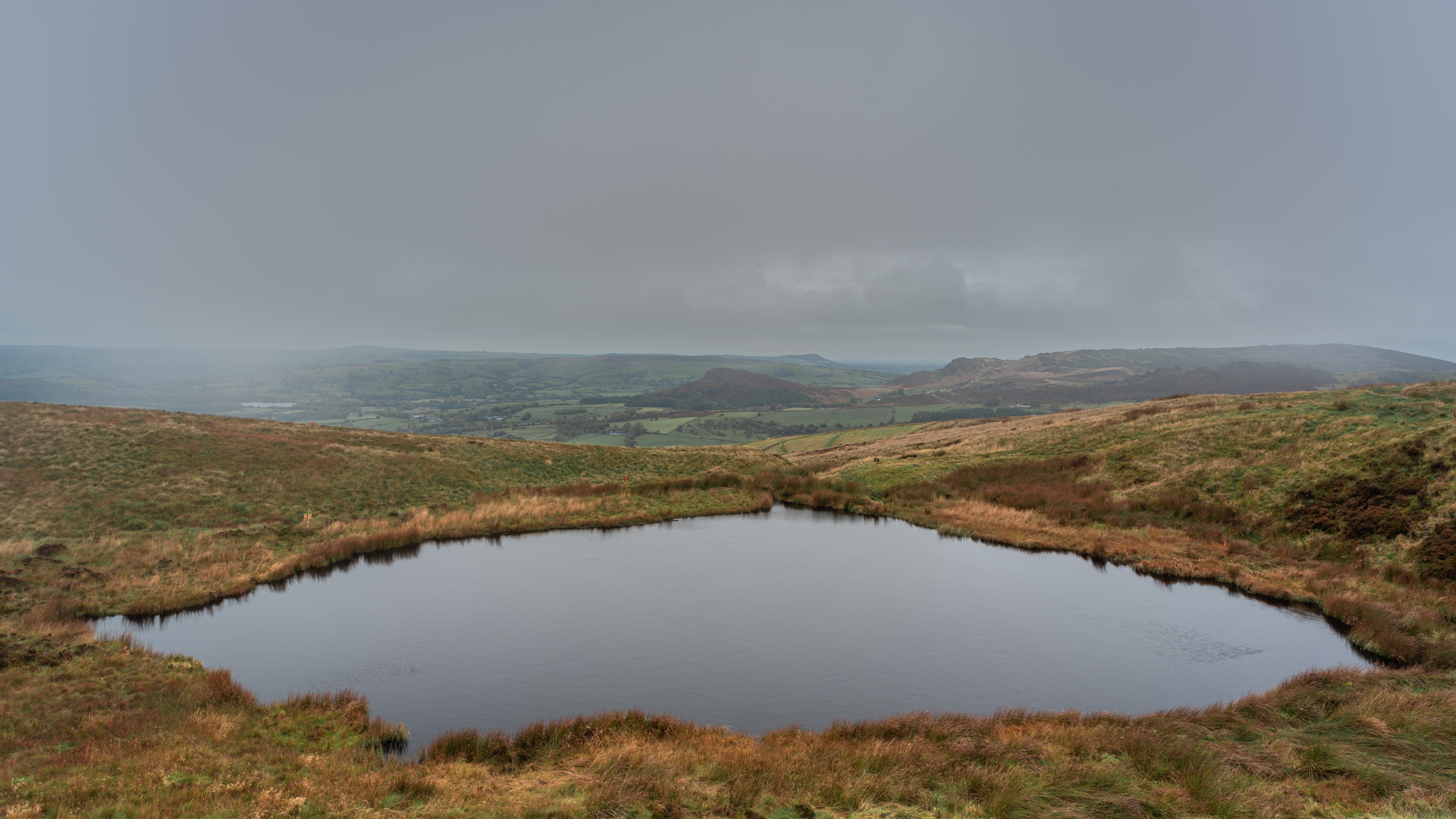
Blake Mere is steeped in folklore as a mermaid pool, where a dark-haired woman is said to surface at dusk, combing her hair before slipping back beneath the water. Local tradition warns that those drawn too close may be pulled under, and sudden mists and disorientation are commonly reported around the shoreline. Walkers also speak of unexplained splashes and ripples when the lake is otherwise still. The pool’s deep, peaty waters and long history of warnings have made Blake Mere one of Staffordshire’s most enduring aquatic legends.

Bodmin Moor
England — Bodmin, Cornwall
Bodmin Moor is famous for its bleak beauty and paranormal legends, notably that of the ghost of Charlotte Dymond, a young servant girl murdered in 1844. Her apparition is said to haunt the moor near the River Fowey, and the man convicted of her murder, Matthew Weeks, is rumored to appear as a restless spirit. Numerous locals and visitors have reported sightings of a spectral woman in period dress and unexplained cold spots near Charlotte’s memorial stone, with accounts discussed in Cornish folklore collections, local news and ghost-hunting forums. Bodmin Moor is also famous for “The Beast of Bodmin,” a phantom big cat, keeping the area active in paranormal circles.
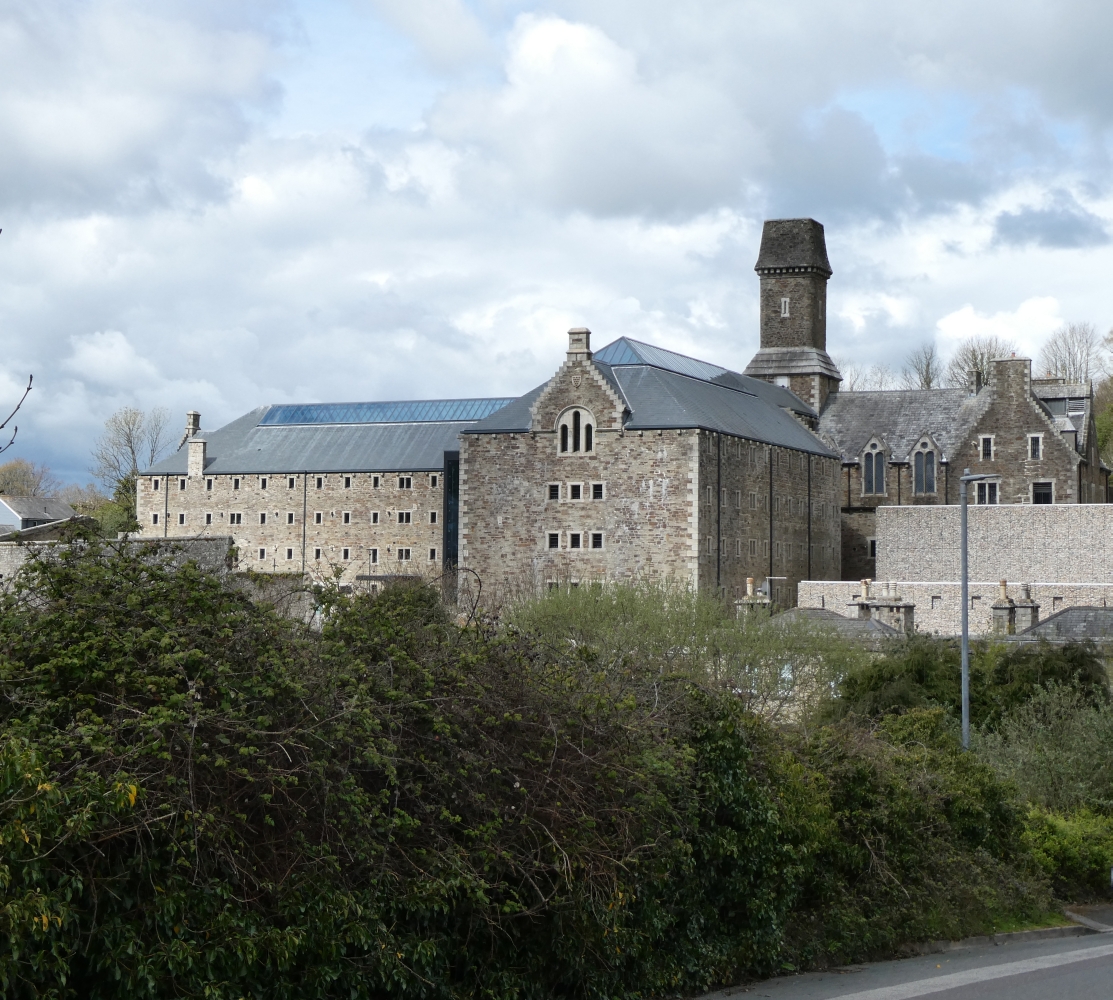
Bodmin Moor Jail
England — Bodmin, Cornwall
Bodmin Moor Jail (formally Bodmin Prison), opened in 1779, carries a long tradition of reported paranormal activity centred on the “Woollen Room” and the adjacent segregation block, where visitors and investigators frequently describe cold spots, whispering voices, and footsteps in empty corridors. The most persistent entity claimed by staff and paranormal teams is a tall male apparition with dark clothing, thought by some to be a former inmate or warder, often captured in EVP sessions and static camera footage during overnight investigations. Another recurring experience involves an unseen presence felt on the windy rooftop exercise yard, where sudden drops in temperature and unexplained thuds are said to occur even when the site is closed to the public.
Image coming soon
Borley Church
England — Essex
Standing beside the ruins of the infamous rectory, visitors report spectral monks and the shadowy figure of a nun said to walk the churchyard, echoing the tragic tale of a woman bricked alive centuries ago. Strange lights, unexplained organ music, and phantom footsteps have all been experienced within the medieval church walls, keeping Borley’s reputation as one of England’s most haunted villages alive.
Image coming soon
Brinscall Woods
England — Chorley, Preston
Bordering the West Pennine Moors, Brinscall Woods has gained a reputation as the heart of Lancashire’s Dogman sightings. Witnesses describe a tall, wolf-like creature walking on two legs, glowing amber eyes, and deep growls echoing through the forest after dark — especially near White Coppice and Great Hill. The area also has older tales of a Grey Lady who drifts between the reservoirs, seen in the mist just before sunrise. Modern investigators have recorded unexplained thermal signatures and distorted audio, with recent UK YouTube teams dubbing Brinscall “one of Britain’s most active cryptid sites.”
Image coming soon
Bristol Hum
England — Bristol
Since the late 1970s, residents of Bristol have reported a persistent low-frequency hum, strongest at night and often described as resembling a distant diesel engine. Scientific surveys in the 1990s found only about 2% of the population could hear it, but those affected described sleepless nights, headaches, and stress. Despite acoustic studies, no single source has ever been confirmed. The mystery has cemented the Bristol Hum as one of the UK’s most famous unexplained sound phenomena.
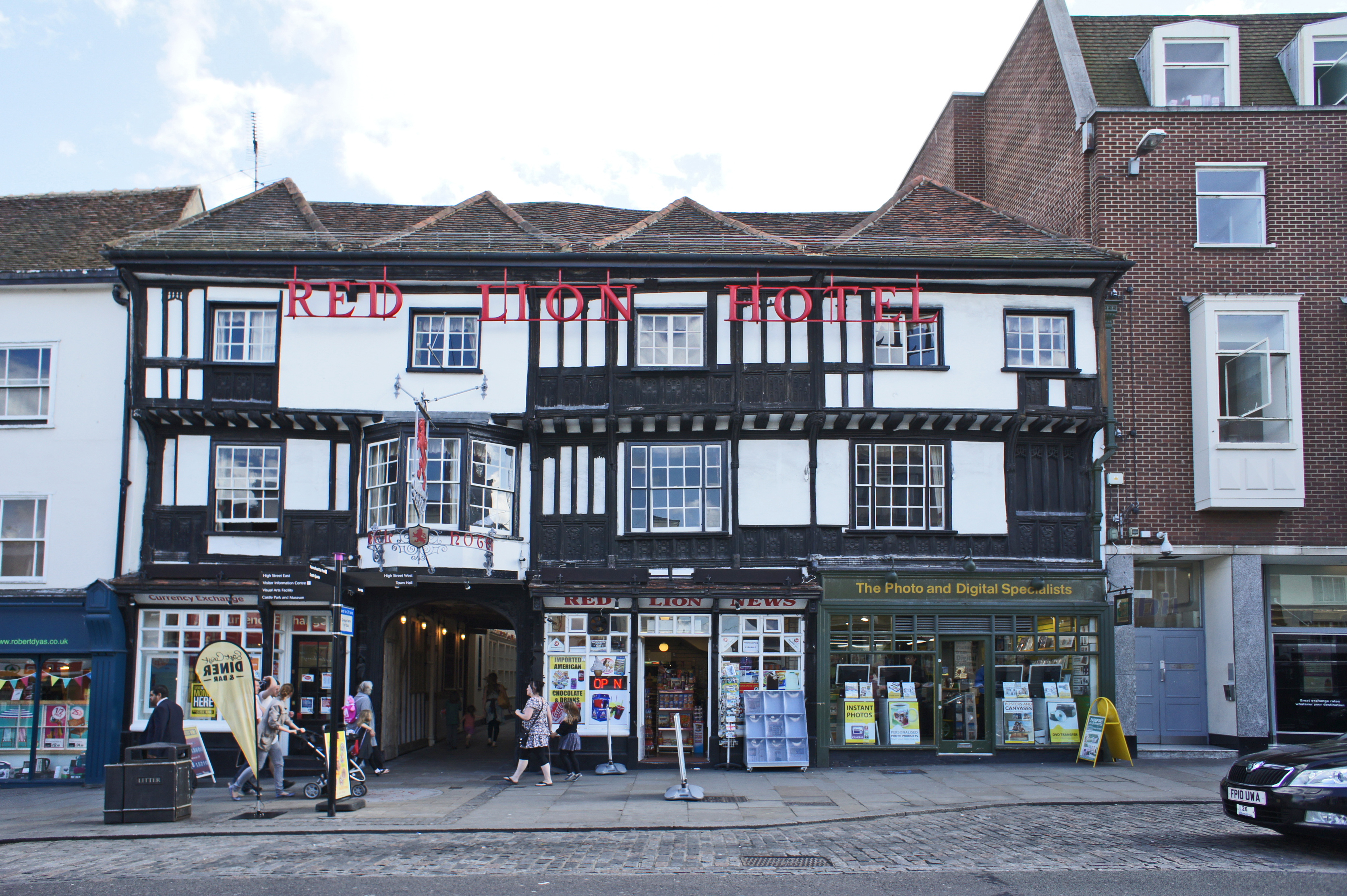
Brook Red Lion Hotel
England — Colchester
Colchester’s historic Brook Red Lion Hotel dates back to the 15th century and is steeped in tragedy and hauntings. The most chilling tale involves a devastating fire that claimed the lives of several children. Guests and staff have reported eerie encounters, including the apparition of a young boy said to haunt the restaurant, His spectral form often appearing in photographs and his presence felt as sudden cold spots or unexplained laughter.
Image coming soon
Caves and Tunnels of Fort Amherst
England — Chatham
Dating back to the Napoleonic Wars, Fort Amherst’s vast network of tunnels and caves once sheltered soldiers preparing for invasion. Today, the underground passages are said to echo with more than just history. Ghost hunters report the sounds of boots marching through empty corridors, disembodied voices calling out in the darkness, and the apparition of a soldier still standing guard. The mix of military heritage and chilling encounters makes the tunnels one of Britain’s most atmospheric paranormal sites.
Image coming soon
Chillingham Castle
England — Northumberland
Dubbed Britain’s most haunted castle, Chillingham dates back to the 13th century and houses an unsettling cast of spirits. Famous residents include the Radiant or “Blue Boy”, whose blue ghostly glow and cries once emanated from a wall where a child’s skeleton and blue cloth were discovered, and Lady Mary Berkeley, whose rustling dress is heard as she searches the corridors in sorrow. Investigators also report chilly presences, whispering voices near the chapel, apparitions in the pantry, and whole phantoms in full stride haunting its ancient halls.
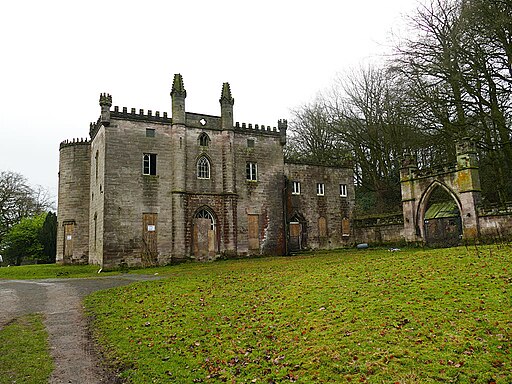
Cliffe Park Hall
England — Stoke-On- Trent, North Staffordshire
Built between 1811 and 1830 for John Haworth, Cliffe Park Hall has long been linked to reports of a woman in white seen crossing the upper landing and vanishing into closed rooms—stories that date back to its years as a Youth Hostel (1933–1969). Former hostel guests recalled footsteps pacing the corridor outside their dormitories, and doors opening during the night as if someone were checking rooms. Local walkers around the estate grounds still report lantern-like lights drifting among the trees near the lakeside, and a figure sometimes seen standing at the balcony window before disappearing.
Image coming soon
Colchester Castle
England — Castle Park, Colchester
Built in the 11th century atop the foundations of the Roman Temple of Claudius, Colchester Castle is one of the most haunted castles in Britain, steeped in centuries of bloodshed, imprisonment, and witch trials. The most infamous spirit is James Parnell, a Quaker imprisoned in 1656 who died after being forced to climb a rope for food — his ghost is said to moan in pain and wander the dungeons. Apparitions of tortured women, believed to be victims of Matthew Hopkins, the Witchfinder General, are seen in shadowy corners and near the medieval prison cells. Staff and visitors report phantom footsteps, cold spots and disembodied voices, especially in the vaults and eastern wall.
Image coming soon
Coombe Abbey Hotel
England — Rugby
Founded in 1150 as a Cistercian monastery, this Grade I-listed abbey turned hotel is one of Britain’s most haunted historic buildings. Guests commonly report sightings of a hooded monk—believed to be Abbot Geoffrey, murdered in the cloisters in 1345—along with the ghost of Matilda, a green-eyed stable hand said to have cursed the house after a tragic child loss. Poltergeist activity in the old kitchens, shadowy figures roaming the halls, and personal accounts of slamming doors and footsteps are frequently noted during overnight stays.
Image coming soon
Corpse Roads (Spirit Paths)
England — Various Locations
Dating back to medieval times, “corpse roads” were routes used to carry bodies from remote villages to consecrated churchyards for burial. Folklore holds that spirits of the dead linger along these paths, and travelers report spectral funeral processions, phantom lights, and ghostly chanting at night. The most famous examples run through Cumbria and the Yorkshire Dales, where hikers claim to encounter shadowy figures or feel an oppressive silence. Paranormal groups often describe corpse roads as “liminal spaces” between the worlds of the living and the dead.
Image coming soon
Crank Caverns
England — St Helens, Merseyside
Hidden in woodland near the village of Crank, Crank Caverns began as 17th-century sandstone quarries supplying stone for nearby churches, but centuries of rumours have turned them into one of England’s strangest underground legends. Locals speak of “the lost soldiers”—a group of World War II troops said to have vanished while exploring the lower tunnels—and of eerie chanting deep within the sealed chambers. Urban explorers report finding animal bones arranged in circles, echoing children’s laughter, and sudden blasts of icy air despite still conditions. One enduring tale tells of a school group that entered the caves in the 1920s, only for two boys to re-emerge days later, claiming pale, human-shaped creatures chased them through the dark. No official record supports the story, yet every year new witnesses insist the caverns still hum with unseen movement far below the surface.
Image coming soon
Derby Gaol
England — Derby, Derbyshire
Opened in 1756, Derby Gaol once held debtors, murderers, and Jacobite rebels awaiting execution on the gallows outside its gates. The building’s present custodian, historian Richard Felix, has catalogued more than a hundred modern witness accounts, from phantom jailers jangling keys to groans echoing through locked corridors. The most feared presence is John Laffey, a condemned murderer who was hanged on the steps—his shadow reportedly crawls along the corridor walls long after midnight. Visitors experience sudden pressure around the throat and the smell of rotting straw, sensations matching 18th-century execution accounts. The gaol’s reputation is such that investigators regard it as one of Britain’s most reliably active paranormal sites.
Image coming soon
Dering Woods
England — Pluckley, Kent
Dering Woods, on the outskirts of the village of Pluckley in Kent, is often called “The Screaming Woods,” a title linked to centuries of ghostly legends. Local accounts tell of phantom screams echoing through the trees at night, said to belong to travelers who perished in the forest’s bogs and thieves once executed nearby. The woods are also tied to Pluckley’s reputation as the “most haunted village in England,” with reports of misty silhouettes, disembodied footsteps, and sudden cold drafts along its narrow paths. Modern visitors and paranormal teams have captured unexplained audio recordings and orbs in photographs, keeping Dering Woods at the heart of Kent’s haunting folklore.
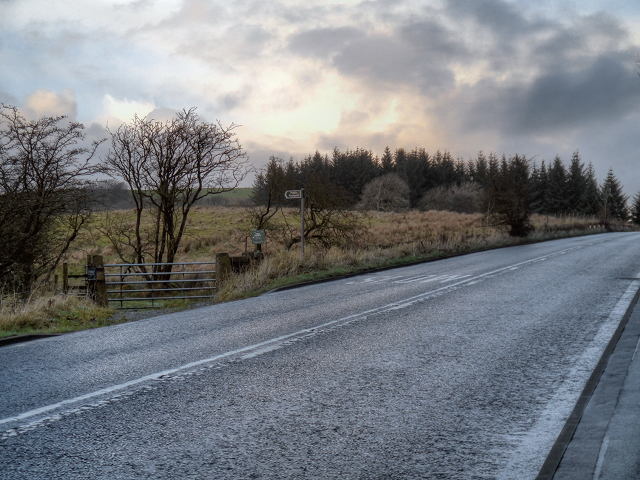
Devil's Highway'- A666
England — Near Bolton, Lancashire
Nicknamed the “Devil’s Highway,” the A666 running through Bolton is notorious for ghostly encounters and fatal crashes. Drivers report shadowy figures appearing suddenly on the roadside, glowing red eyes in the darkness, and phantom hands gripping the wheel. Police logs show an unusually high accident rate along certain stretches, fueling stories of a cursed road. Some locals even claim to see a faceless hitchhiker or hear guttural laughter on stormy nights. The sinister reputation of the “A-triple-six” makes it one of England’s most feared highways.
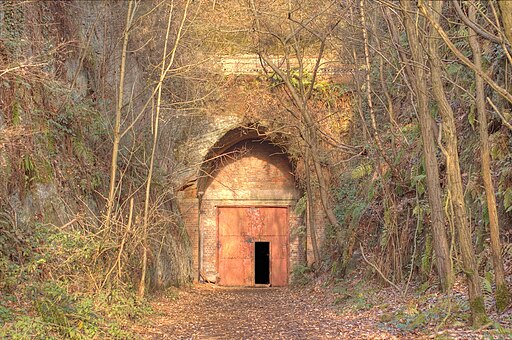
Drakelow Tunnels
England — Kidderminster, Worchestershire
Used as a WWII shadow factory and later a Cold War nuclear command centre, Drakelow Tunnels are linked to sightings of a uniformed WWII soldier seen walking the main access corridors before vanishing at sealed blast doors. Investigators have also reported the sound of heavy machinery starting up, disembodied shouting, and a child’s crying echoing from the former welfare areas, despite the tunnels being empty. A shadow figure nicknamed “The Watchman” is said to appear near the operations rooms, often coinciding with sudden EMF spikes captured during overnight investigations. With modern footage from multiple UK ghost teams circulating online, Drakelow remains one of England’s most actively investigated underground sites.

Durham Puma
England — Durham, County Durham
Reports of the Durham Puma stretch across County Durham, from Consett and Beamish to Tow Law and the Derwent Valley- where witnesses have described both tawny puma-like cats and large black panther-type animals moving silently through fields and woodland. Many sightings began after the 1970s exotic-pet law changes, leading researchers to believe multiple big cats may have been released into the region. Locals report long tails, powerful feline movement, and occasional livestock kills with clean, predatory bite marks. With sightings continuing into the 2020s, the Durham Puma remains one of northern England’s longest-running ABC (Alien Big Cat) mysteries.
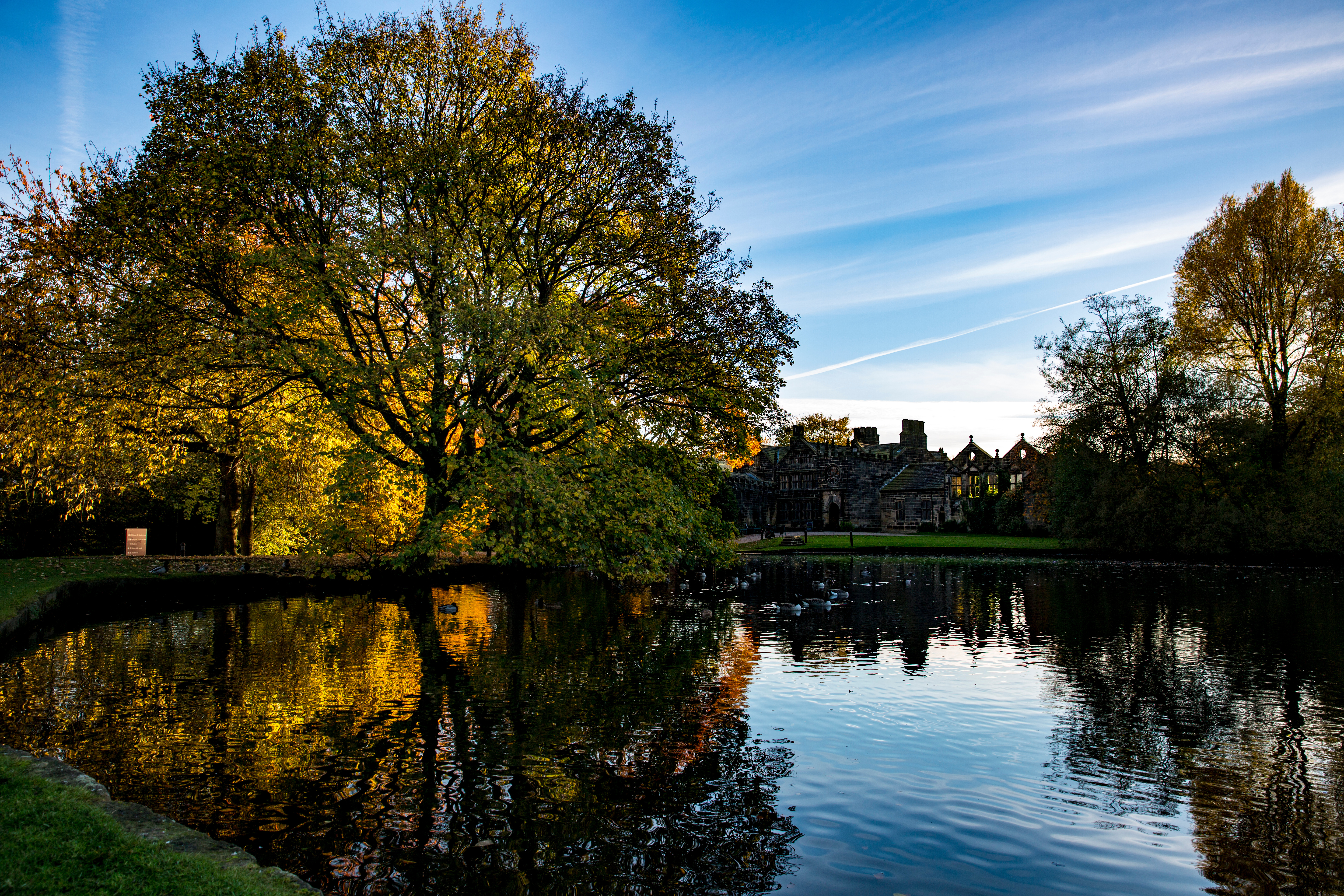
East Riddlesden Hall
England — Keighley, West Yorkshire
East Riddlesden Hall is best known for the ghost of the “Grey Lady,” believed to be a woman murdered by a jealous husband in the 17th century; she is seen drifting past the Withdrawing Room windows before fading into the wall. Visitors also report a weeping infant heard in the ruined wing, tied to local stories of a concealed, long-ago tragedy. The Barn Room produces footsteps and the sound of furniture shifting when no one is inside. With its turbulent family history and partially collapsed east wing, the hall remains one of West Yorkshire’s most atmospheric and enduringly active historic sites.
Image coming soon
Eden Camp
England — Malton
Originally constructed in 1942 as a Prisoner-of-War camp for captured Italian and later German soldiers, Eden Camp now operates as an award-winning museum—but many believe its wartime echoes never left. Staff and visitors report phantom footsteps pacing between huts, whispered conversations in Italian, and the smell of pipe tobacco drifting through empty barracks. Security cameras have caught shadow figures crossing corridors after closing, while one volunteer swears she saw a uniformed man vanish into thin air near Hut 10. Paranormal investigators using EMF meters and spirit boxes have recorded multiple responses naming “Hans” and “Giovanni,” possibly residual impressions of former inmates. The museum embraces its haunted reputation with after-hours tours, where the line between living history and restless memory grows thin amid the creak of timber and the hum of distant machinery.
Image coming soon
Englefield Hall
England — Englefield Green
A former community hall, now a hotspot for paranormal investigators and night-time ghost hunts, Englefield Hall is reputed to host sinister activity. Visitors report oppressive shadows, cold spots, and an enduring sense of malevolent presence in its maze of narrow staircases and corridors. Multiple groups, including The Ouija Brothers and other paranormal teams have described being genuinely unnerved by the investigative outcomes there
Image coming soon
Epping Forest
England — Loughton
Epping Forest spans nearly 6,000 acres between London and Essex and has a long, unsettling reputation rooted in crime, folklore, and unexplained phenomena. Once a notorious haunt for highwaymen like Dick Turpin, the forest later became the scene of multiple murders and alleged occult gatherings in the 20th century. Visitors frequently report ghostly horsemen, flickering lantern lights, and sudden disorientation within the thick woodland. Modern paranormal teams have documented EVP voices near Hangman’s Hill — where cars appear to roll uphill against gravity and strange mist formations that appear without weather cause.
Image coming soon
Four Crosses Inn
England — Cannock, Staffordshire
Built in 1636 on an ancient Roman road, The Four Crosses Inn is one of England’s most haunted pubs—its walls said to hold centuries of tragedy. Patrons report a crying child, a spectral soldier in the bar, and a woman in Victorian dress who vanishes through locked doors. Staff have witnessed glasses flying from shelves and shadow figures in the cellar, while paranormal teams capture EVPs calling out names. Once used as a coaching inn and mortuary, it’s still a favourite stop for ghost hunters touring the Cannock Chase.
Image coming soon
Gallows Hill
England — Lancaster
Once the site of the infamous Pendle Witch Trials, Gallows Hill is where many accused witches met their grim fate in 1612. Locals and visitors report eerie screams, shadowy figures, and the unsettling feeling of being watched. Paranormal enthusiasts still flock here, drawn by its chilling history and ghostly legends.
Image coming soon
Gloucester Prison
England — Gloucester, Gloucestershire
Built in 1792 on the site of a medieval castle, HM Prison Gloucester operated for over two centuries before closing in 2013—and its ghosts are said to have remained on duty. The most reported figure is “The Gaoler,” a stern Victorian officer seen patrolling the cell blocks and vanishing through iron doors. Inmates and staff long spoke of a hanged soldier who appears in the execution yard, his shadow forming even on overcast days. Paranormal teams have documented heavy footsteps, cell doors slamming, and whispered pleas near Death Row, where public executions once drew thousands. Since reopening for heritage tours, visitors frequently capture disembodied voices on EVPs and faces in the narrow observation mirrors.
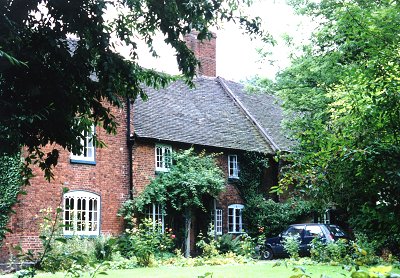
Graisley Old Hall- "The House That Cries"
England — Wolverhampton, West Midlands
Dating back to the 15th century, Graisley Old Hall is known for intense and long-running poltergeist activity, including stones thrown inside sealed rooms, objects moving on their own, and loud knocks that follow visitors between floors. Former residents reported the presence of a dark, hooded figure appearing near the staircase, as well as a child-sized shadow seen darting through the kitchen and scullery. Investigators have captured disembodied voices, footsteps on the upper landing, and sudden temperature drops throughout the timber-framed house. With centuries of domestic hardship, witchcraft rumours, and documented disturbances, Graisley Old Hall is widely regarded as one of the Midlands’ most persistently haunted properties.
Image coming soon
Hall i' th' Wood
England — Bolton, Greater Manchester
Dating to the early 16th century, Hall i’ th’ Wood is a timber-framed manor best known as the former home of inventor Samuel Crompton, yet it also carries centuries of haunting lore. Staff and visitors have reported footsteps on empty staircases, flickering candlelight in sealed rooms, and the apparition of a stern-faced woman in Tudor dress believed to be a former mistress of the house. Cold spots and disembodied whispers are frequently noted during heritage tours, and several paranormal teams have recorded EVPs near the old servants’ quarters. The building’s preserved interior makes it one of Greater Manchester’s most atmospheric and historically haunted sites.
Image coming soon
Hampton Court Palace
England — Surrey
Home to Henry VIII and later monarchs, Hampton Court Palace is one of England’s most haunted royal residences. It is notorious for the CCTV “Skeletor” ghost footage from 2003, showing a hooded figure slamming heavy doors shut when no one was present. Visitors and staff also report the ghost of Catherine Howard screaming in the Haunted Gallery, as well as unexplained footsteps and cold drafts throughout the Tudor apartments.
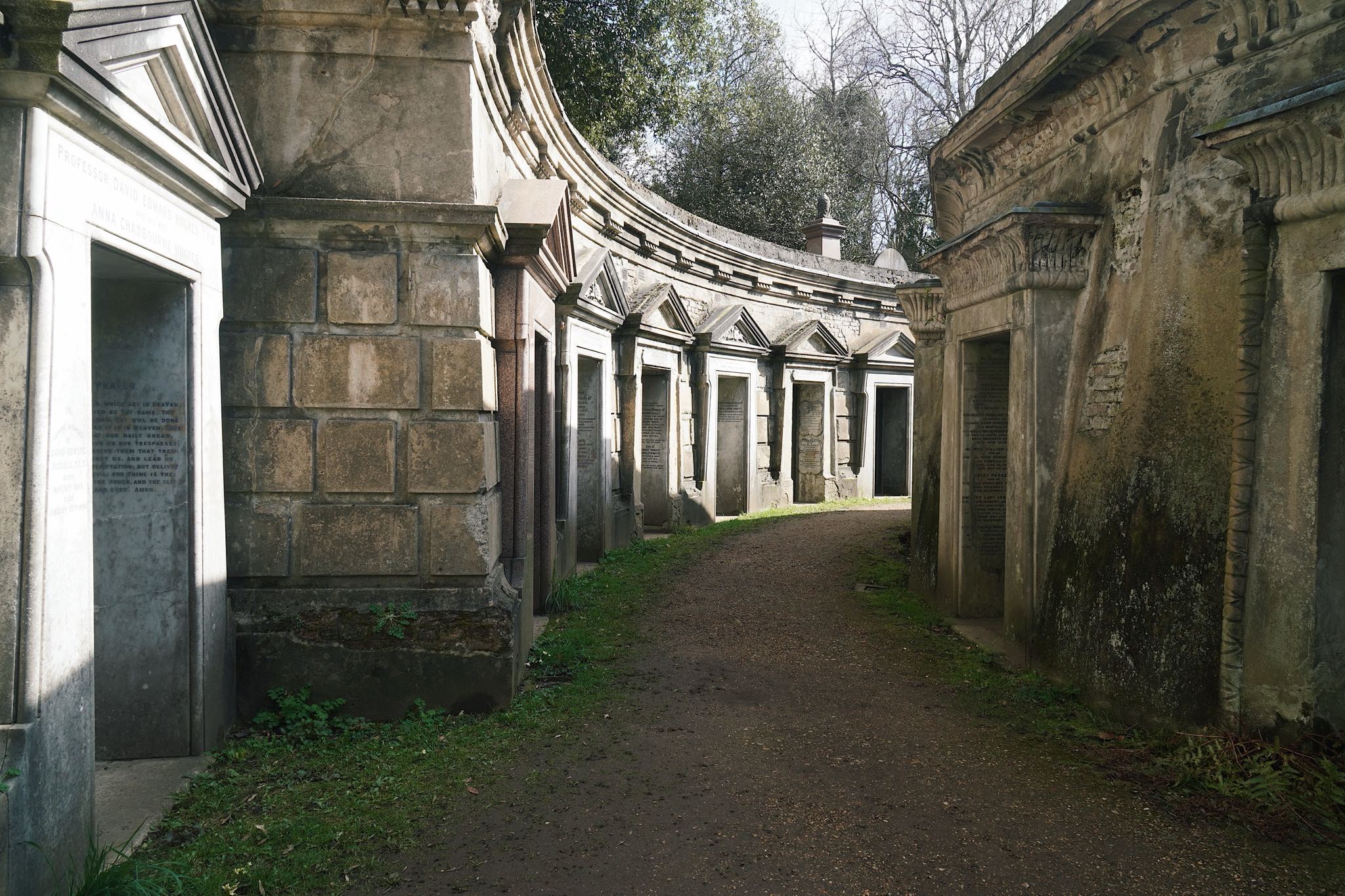
Highgate Cemetery
England — Highgate, London
Opened in 1839 and known for its dramatic Gothic architecture, Highgate Cemetery is one of London’s most atmospheric burial grounds, housing over 170,000 graves across its Western and Eastern sections. Visitors frequently report apparitions in Victorian dress, shadow figures drifting through the Egyptian Avenue, and disembodied whispers near the Circle of Lebanon catacombs. Groundskeepers speak of a tall, shrouded figure that moves silently between mausoleums at dusk, accompanied by sudden plunges of temperature.
Image coming soon
Highgate Vampire
England — Highgate, London
In the late 1960s and early 1970s, Highgate Cemetery became the centre of Britain’s most infamous paranormal panic: the Highgate Vampire. Witnesses described a seven-foot, dark-cloaked, red-eyed entity gliding through the Western Cemetery, often felt before it was seen—its presence marked by paralysis, icy air, and an overwhelming sense of dread. The case escalated into national headlines after occult researcher David Farrant and exorcist Sean Manchester led rival investigations, reporting drained animals, ritual sites, and sightings of the figure near the catacombs. The so-called “vampire hunts” of 1970, with crowds breaking into the cemetery at night, cemented the legend in London folklore. Though explanations vary from mass hysteria to something genuinely supernatural, the Highgate Vampire remains one of the UK’s most well-known paranormal mysteries.
Image coming soon
Historical Royal Arcade
England — York, Yorkshire
A Victorian shopping arcade in the heart of York, the Royal Arcade blends modern commerce with untouched history. While upper floors have been renovated, the basement remains as it was in the early 1900s. Shopkeepers and visitors speak of an irritable spirit named Billy, rumored to haunt the premises and whose presence is felt most keenly in the old, unrestored rooms below.
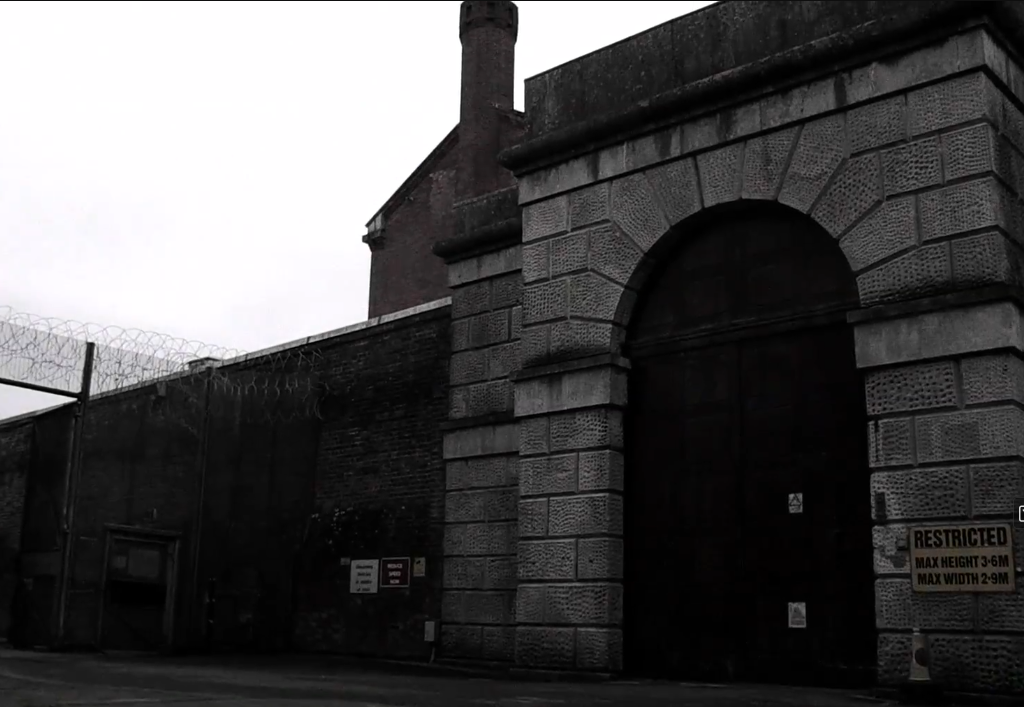
HMP Dorchester
England — Dorchester, Devon
Opened in 1795 and in use until 2013, HMP Dorchester was one of England’s most notorious Victorian prisons, where public hangings drew thousands. The most prominent ghost is believed to be Martha Brown, executed in 1856 for murdering her violent husband—her death reportedly witnessed by a young Thomas Hardy, who later weaved it into Tess of the d’Urbervilles. Visitors report hearing a woman sobbing near the execution yard and footsteps pacing cell corridors long after closing. Shadows are seen moving inside empty wings, and cold spots manifest in the former condemned cell, where prisoners spent their last hours. Since closure, the prison has hosted controlled investigations where disembodied voices and activity around the gallows beam consistently rank it among the UK’s most intense institutional hauntings.
Image coming soon
Hurst Castle
England — Hampshire
A formidable coastal fortress built by Henry VIII (1541–44) and once used to detain King Charles I, Hurst Castle is among Hampshire’s most haunted sites. Visitors have reported a ghostly caretaker or soldier captured on camera in a narrow tunnel window—complete with glowing eyes and mist-like movement—believed to be the spirit of a former guard. A must-visit for thrill-seekers exploring haunted military heritage.
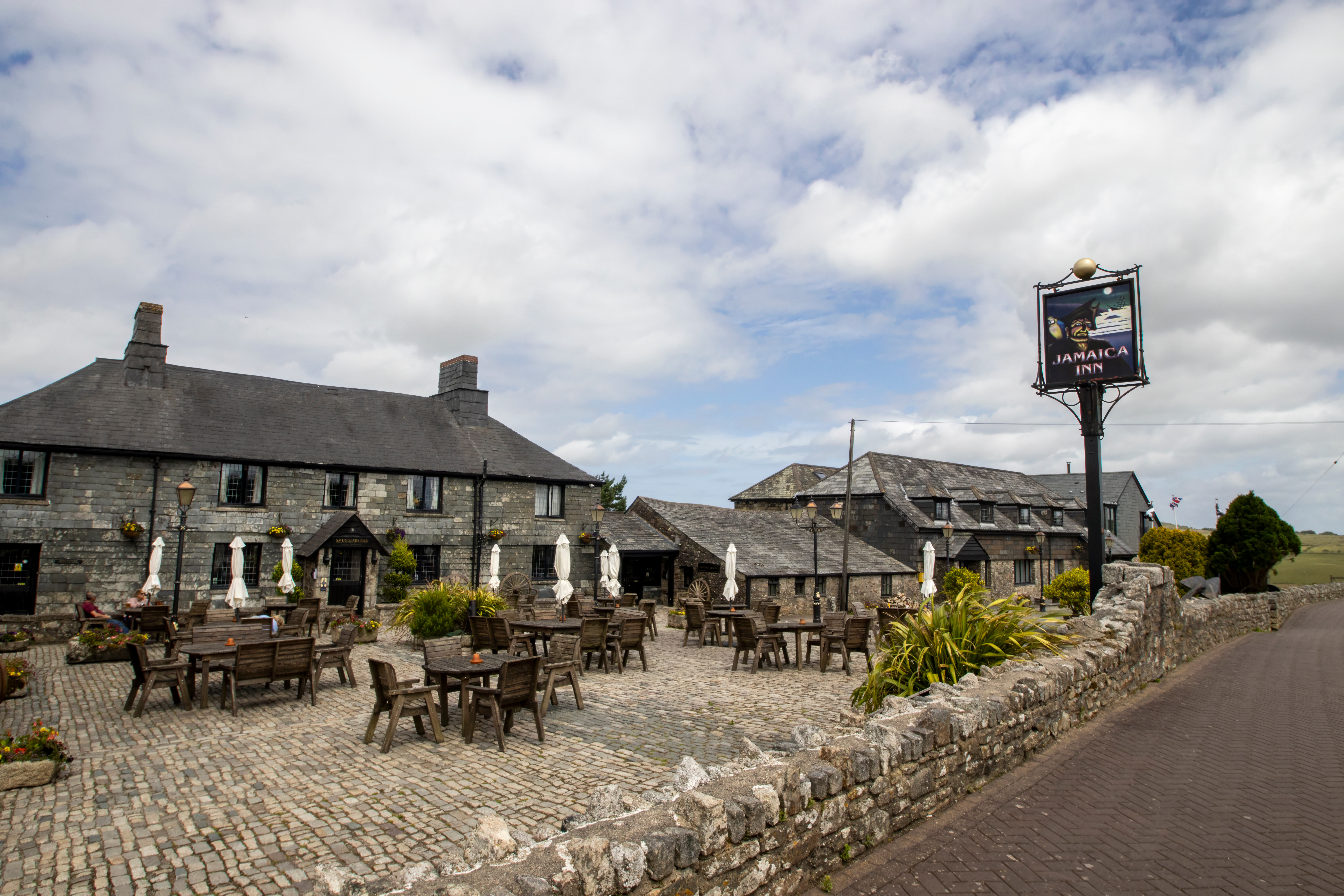
Jamaica Inn
England — Launceston, Cornwall
Founded in 1750, Jamaica Inn was a notorious smugglers’ haunt on Bodmin Moor, a history still echoed in reports of heavy boots, disembodied voices, and doors slamming after hours. The most famous apparition is a phantom coach said to thunder past the inn on stormy nights, while staff and guests also report a shadowy male figure lingering near the old bar and stables. Sudden cold spots and the smell of tobacco are frequently noted during investigations, particularly in rooms tied to the inn’s smuggling past. Its documented criminal history and recurring modern reports have made Jamaica Inn one of Cornwall’s most enduring paranormal hotspots.
Image coming soon
Kelvedon Hatch Secret Nuclear Bunker
England — Brentwood, Essex
Built in the 1950s, Kelvedon Hatch is a vast underground Cold War bunker designed as a government command center in the event of nuclear war. Now a museum and frequent feature on ghost hunting shows, the site is known for reports of apparitions, mysterious voices and feelings of unease in its dimly lit corridors. Regularly investigated by paranormal groups, it remains a popular destination for both history buffs and supernatural enthusiasts.
Image coming soon
Kensington Palace
England — Kensington, London
Kensington Palace carries centuries of haunting lore, Princess Sophia (1777–1848) is often seen drifting in a black dress through the State Apartments. Staff and visitors have reported doors opening unaided, phantom footsteps, and spectral figures in the King’s Gallery, with some claiming an uneasy hush surrounds the chambers where Queen Victoria once lived. More recently, mourners and tourists alike have spoken of sensing the presence of Princess Diana, especially near her former apartments and the palace gardens, where memorials still draw visitors.
Image coming soon
Knowlton Church
England — Dorset
Knowlton Church is a ruined medieval church uniquely situated inside a Neolithic henge, blending pagan and Christian history in the Dorset countryside. Built in the 12th century and abandoned in the 18th, the site is famous for reports of ghostly apparitions—particularly a phantom horse and rider, shadowy figures and strange mists that suddenly envelop the area. Recent paranormal groups, local folklore researchers and visitors on social media still document sightings, particularly during dusk and after midnight and the site is regularly included on “most haunted” lists in the UK.
Image coming soon
Lincolnshire Dogman
England — Barton-upon-Humber
The Lincolnshire Dogman is part of the UK’s growing catalogue of werewolf-like sightings. Witnesses describe a tall, muscular, bipedal creature with the head of a German shepherd and glowing red eyes, often seen at night along rural roads and in isolated woodlands. Reports surged in the early 2000s, particularly near the village of Barton-upon-Humber and the wider Lincolnshire Wolds, with drivers claiming the creature chased their vehicles. While skeptics suggest misidentified large dogs or deer, the consistency of the descriptions has earned the Lincolnshire Dogman comparisons to America’s Michigan Dogman and the Beast of Bray Road.
Image coming soon
London Tombs
England — Central London, London
Discovered during construction in 2007, the London Tombs sit atop a plague pit containing hundreds of skeletons from the Great Plague and earlier burials. Paranormal investigators and staff report intense activity, including poltergeist phenomena, shadow figures, and disembodied voices. The most frequently seen spirit is Emily, a young girl in white who wanders the Roman Room and entrance corridor. Another entity, known as the Dark Presence, causes feelings of dread and chest pressure near the haunted lift. The site’s history includes Tudor executions, with impaled skulls found during excavation, and is now part of the London Bridge Experience, a scare maze and ghost tour venue.
Image coming soon
London Underground
England — London
Below London’s bustling streets lies a forgotten world of spectral tales. Stations like Aldwych, Covent Garden, Bank—and notably Bethnal Green—are steeped in legend. At Bethnal Green, the 1943 wartime disaster where 173 civilians died in a crush beneath the station is said to haunt the space still: passengers and staff speak of disembodied cries, unexplained chills, and the faint echo of distressing voices on the stairway to heaven. Elsewhere, shadowy figures glide past doorways, phantom footsteps echo through tunnels, and an elusive “Woman in Black” roams Bank Station’s passageways
Image coming soon
Lord Line Building
England — Hull
An abandoned former trawler company HQ beside the old St Andrew’s Dock, this derelict Grade II‑listed building now draws urban explorers with its haunting ambience. Visitors have described hearing unexplained footsteps and distorted human voices echoing through foggy, empty halls and some have even been startled by disembodied radio chatter. The oppressive silence and decay combine to give it a genuinely unsettling aura.
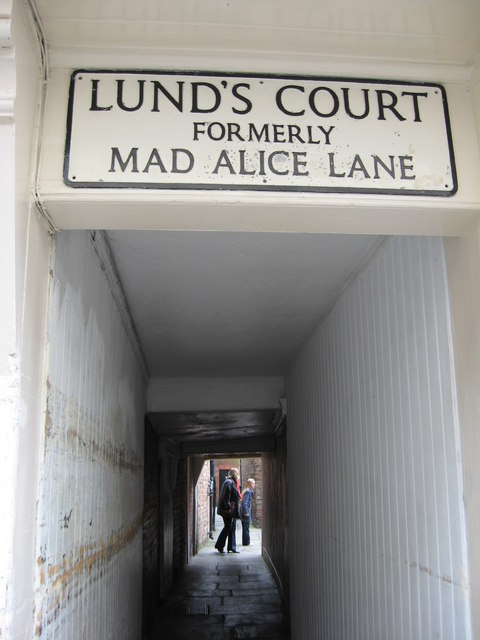
Mad Alice Lane
England — York, Yorkshire
According to York folklore, Alice Smith, known as “Mad Alice,” murdered her abusive husband after years of mistreatment and was later executed at York Castle. Her ghost is said to wander the cramped passage now called Lund’s Court, appearing as a gaunt woman in torn 19th-century clothes, clutching her neck where the noose once sat. Late-night walkers report sudden icy pockets of air, soft crying, and the sound of frantic footsteps echoing behind them.
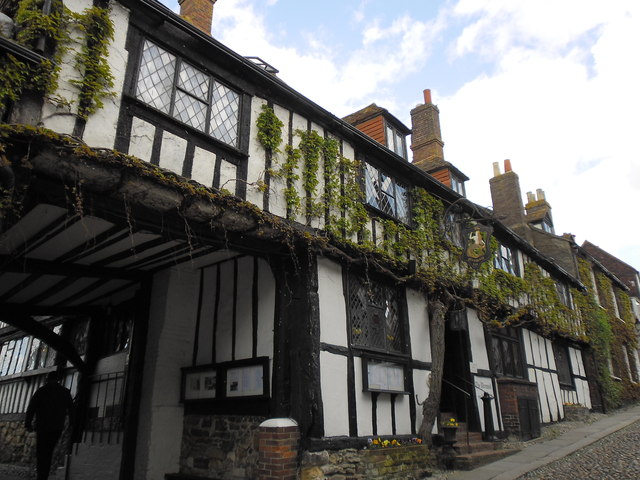
Mermaid Inn
England — Rye, East Sussex
The Mermaid Inn is a medieval inn on Mermaid Street with cellars dating to 1156 and the main building rebuilt in 1420, later tied in local history to Rye’s smuggling era and the Hawkhurst Gang (1730s–1740s). Haunting reports are often room-specific: Room 17 “Kingsmill” is linked to smuggler Thomas Kingsmill and sightings around a rocking-chair area, while Room 5 “James” is associated with a Grey/White Lady near the fireplace. Room 16 is repeatedly linked in folklore to a duel where a man was killed and allegedly dropped through a trapdoor into the cellar, alongside ongoing guest claims of footsteps, knocks, and late-night disturbances.
Image coming soon
Merton Priory Chapter House
England — Merton, Surrey
Amid the ancient ruins of London’s Merton Priory, the Chapter House stands as a magnet for supernatural phenomena. Witnesses describe shadowy apparitions gliding through the remnants, accompanied by phantom footsteps believed by some to be the spirits of long-lost monks or secretive medieval figures.
Image coming soon
Mossley Manor Care Home
England — Liverpool, Merseyside
Once a grand Victorian residence in Liverpool, Mossley Manor later became a care home which developed a reputation for darkness both historic and recent. The building’s imposing façade hides tales of unexplained activity: phantom footsteps in empty corridors, chilling drafts and the echoes of voices from unoccupied rooms; suggesting that some former residents may never have truly left.
Image coming soon
Newby Church
England — North Yorkshire
This 19th-century church is famous for the 1963 photograph taken by vicar Kenneth F. Lord, showing a towering, hooded figure with a distorted face near the altar. The BBC examined the original negative in the 1970s and found no evidence of tampering, cementing the image’s place as one of Britain’s great unexplained mysteries.
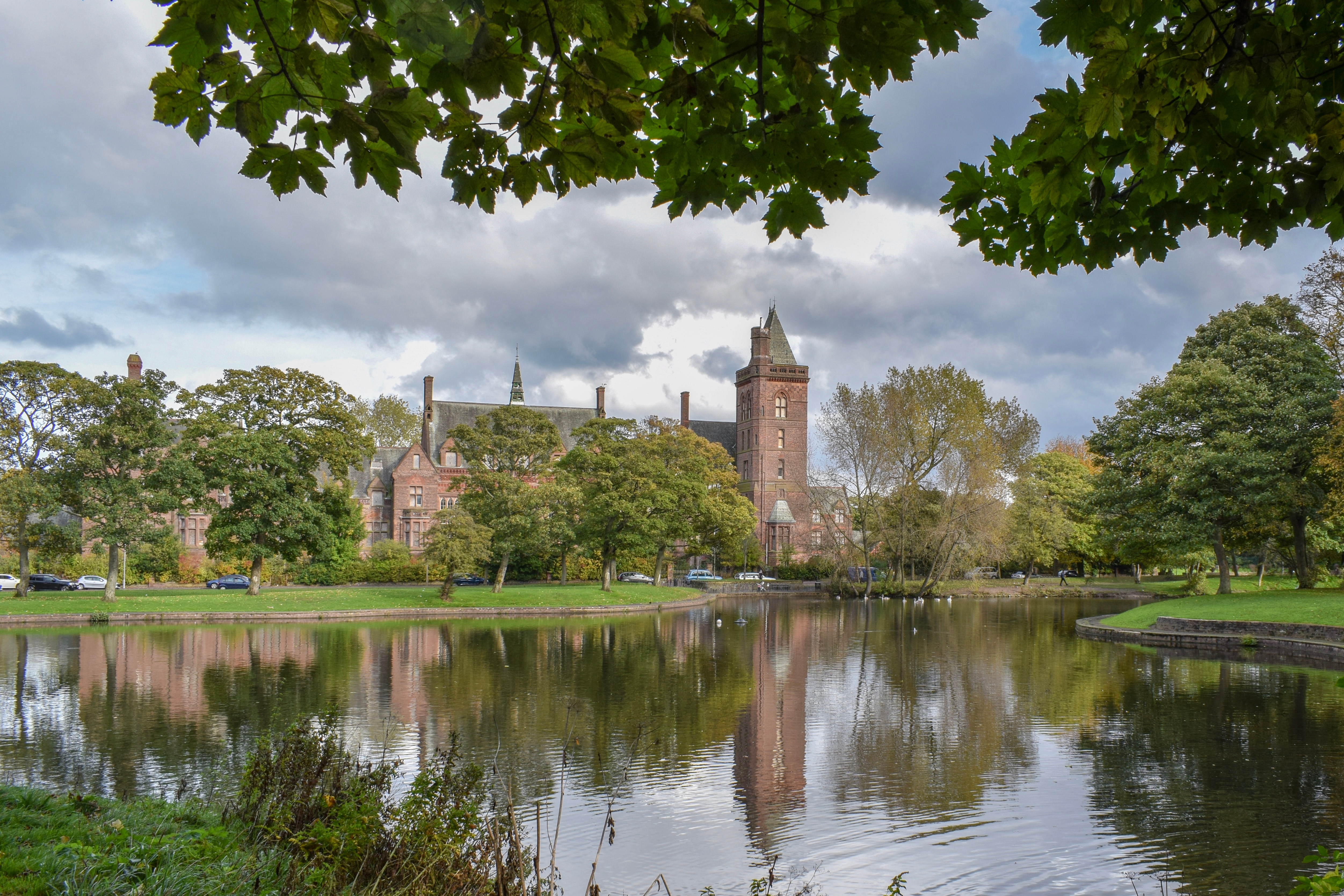
Newsham Park Hospital & Orphanage
England — Liverpool, Merseyside
Opened in 1874 as the Liverpool Seamen’s Orphan Institution and later converted into a psychiatric hospital, Newsham Park Hospital is one of Merseyside’s most notorious haunted sites. Visitors report children’s voices, darting shadow figures, and wheelchairs that roll across empty wards on their own. The infamous “Naughty Boys Corridor,” where misbehaving children were once isolated, is known for loud bangs, sudden cold spots, and the sensation of being touched or followed. With abandoned medical equipment still inside and a century of institutional suffering behind it, Newsham remains one of northern England’s most investigated paranormal locations.
Image coming soon
Owlman Of Mawnan
England — Cornwall
First reported in 1976 near Mawnan Church in Cornwall, the Owlman is described as a tall, feathered humanoid with glowing red eyes and large wings. The earliest sightings came from two young girls who claimed a giant “owl-man” was watching them from the church tower, sparking a string of similar reports in the late 1970s and 1980s. Some accounts link the Owlman to UFO activity or local folklore about guardian spirits, while skeptics suggest a misidentified eagle owl. The church and surrounding woods remain a hotspot for curiosity seekers, and the Owlman continues to appear in paranormal documentaries and podcasts.
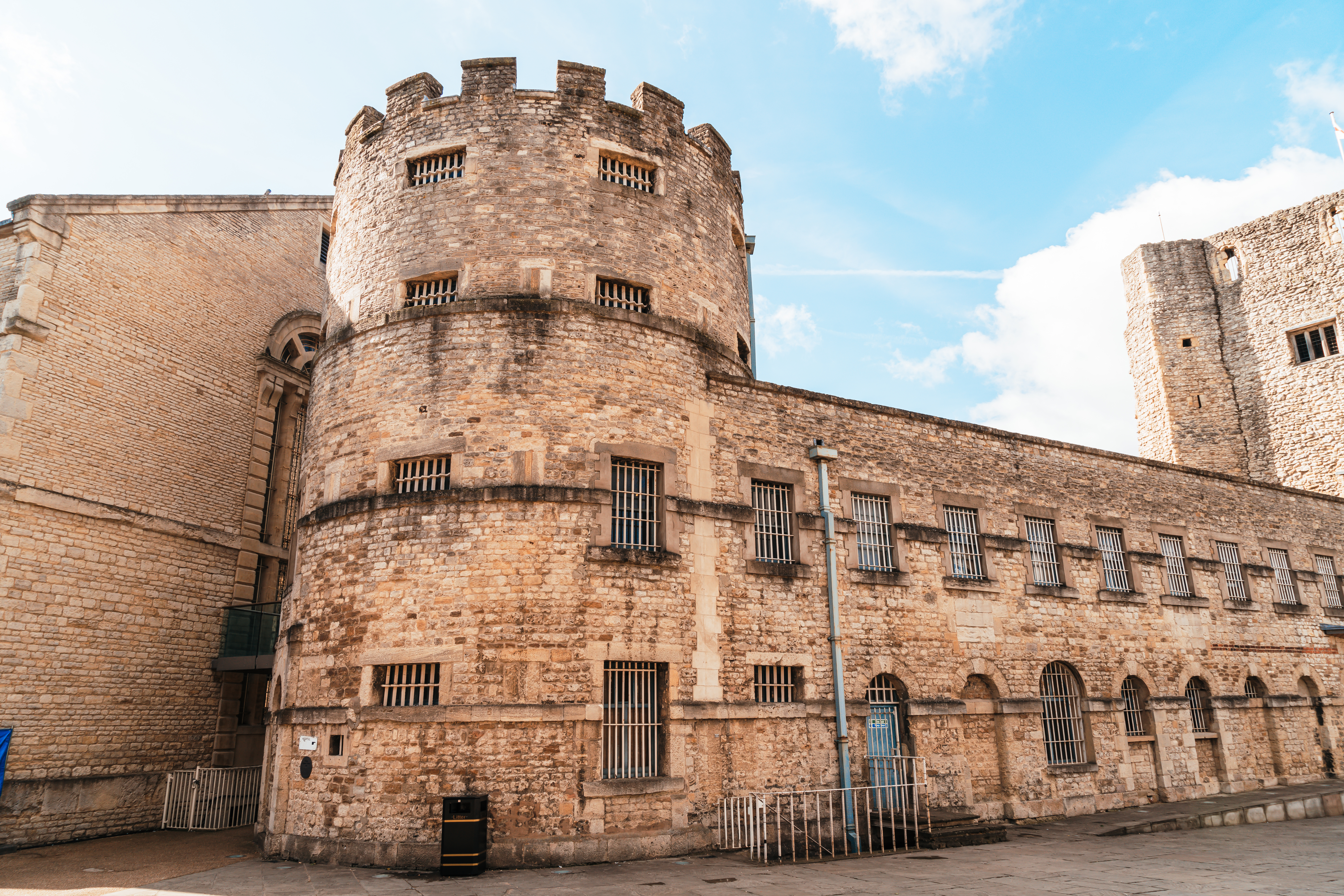
Oxford Castle
England — Oxford, Oxfordshire
Dating back to 1071, Oxford Castle is known for sightings tied to its long history as both a fortress and a prison. The most reported figure is Mary Blandy, executed here in 1752, whose pale apparition has been seen on the castle mound and near the Debtors’ Tower, often accompanied by the scent of perfume. Former inmates are said to appear in the underground crypt and D-Wing, where visitors feel sudden cold gusts, hear dragging footsteps, and report whispers in empty cells. With nearly a millennium of conflict, imprisonment, and execution, Oxford Castle is regarded as one of Oxfordshire’s most intensely active haunted landmarks.
Image coming soon
Pendle Hill
England — Pendle, Lancashire
Infamous for the 1612 Pendle witch trials, this brooding Lancashire hill is steeped in dark folklore. Locals and hikers report ghostly figures on the slopes, sudden drops in temperature, and the unsettling sensation of being watched. Paranormal groups claim to have captured disembodied voices and shadowy apparitions linked to the condemned witches who once lived here.
Image coming soon
Petworth Chapel
England — Petworth
Abandoned Victorian chapel located within Horsham Road Cemetery, Petworth, beside the communal grave of 28 pupils, two teachers, and a civilian killed in the 1942 bombing of Petworth Boys’ School. Ownership is unclaimed, the building is in severe disrepair. Visitors and locals have reported ghostly children’s voices, fleeting shadows, and an unsettling presence near the chapel at dusk.
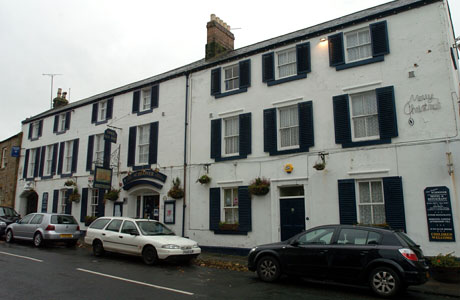
Schooner Hotel
England — Alnwick, Northumberland
The Schooner Hotel is a 17th-century coaching inn on Northumberland Street in Alnmouth, infamous in paranormal circles for claims of 60+ apparitions and thousands of reported experiences. The hotspot is Room 28, tied in local lore to a family massacre by smugglers, with guests reporting children crying and a woman screaming/begging alongside an overwhelming “someone’s in here” dread. Rooms 16 and 17 are another repeat focus—linked to sightings of a figure at the end of the bed and a blocked/hidden doorway discovery—while broader reports include a phantom maid on the stairs and a uniformed soldier moving the corridors; the hotel’s reputation was amplified by Most Haunted filming here in 2003
Image coming soon
Shepton Mallet Prison
England — Shepton Mallet, Somerset
Dating back to 1610, Shepton Mallet Prison is one of England’s oldest and most infamous jails, with a long history of executions, hard labor, and wartime use. Now open for tours and paranormal events, visitors and staff report ghostly apparitions, unexplained footsteps and chilling cold spots throughout the building. The prison is a frequent subject of ghost hunting shows and is considered one of the most haunted locations in the country.
Image coming soon
Sherwood Forest
England — Nottingham
Beyond its Robin Hood fame, Sherwood Forest is a magnet for modern paranormal exploration. Investigators on ghost walks report detecting voices, shadowy hooded figures drifting near the Witches’ Bowl, and a blurry mist thought to be a “White Lady” manifesting at the edge of the Major Oak. A footage has been captured using night‑vision of silhouettes slipping between oak trunks and the sudden sounds of footsteps in empty clearings.
Image coming soon
Smethwick Baths & Tunnels
England — Smethwick, Birmingham
Now known as the Smethwick Swimming Centre, it was built over a labyrinth of underground passages and maintenance corridors, fueling decades of ghost stories and urban legends. Staff and visitors have reported unexplained footsteps, doors slamming and fleeting shadows in the basement areas leading to multiple local news features and ghost hunting events. While redevelopment has changed parts of the building, the tunnels beneath remain a magnet for paranormal investigators and urban explorers
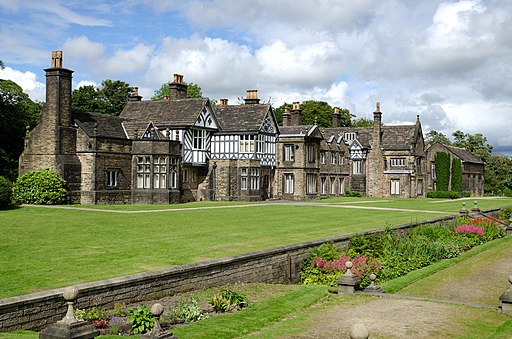
Smithills Hall
England — Bolton, Greater Manchester
Smithills Hall is most famous for the ghost of George Marsh, the Protestant martyr interrogated here in 1555; his so-called “burning footprint” in the stone floor is still pointed out to visitors, and his apparition is seen walking toward the chapel. A dark-clothed woman is often reported drifting through the Tudor rooms, accompanied by sudden cold air and the scent of old perfume. Staff also hear footsteps and whispered voices in the medieval hall long after closing, making Smithills one of Greater Manchester’s most consistently reported historic hauntings.
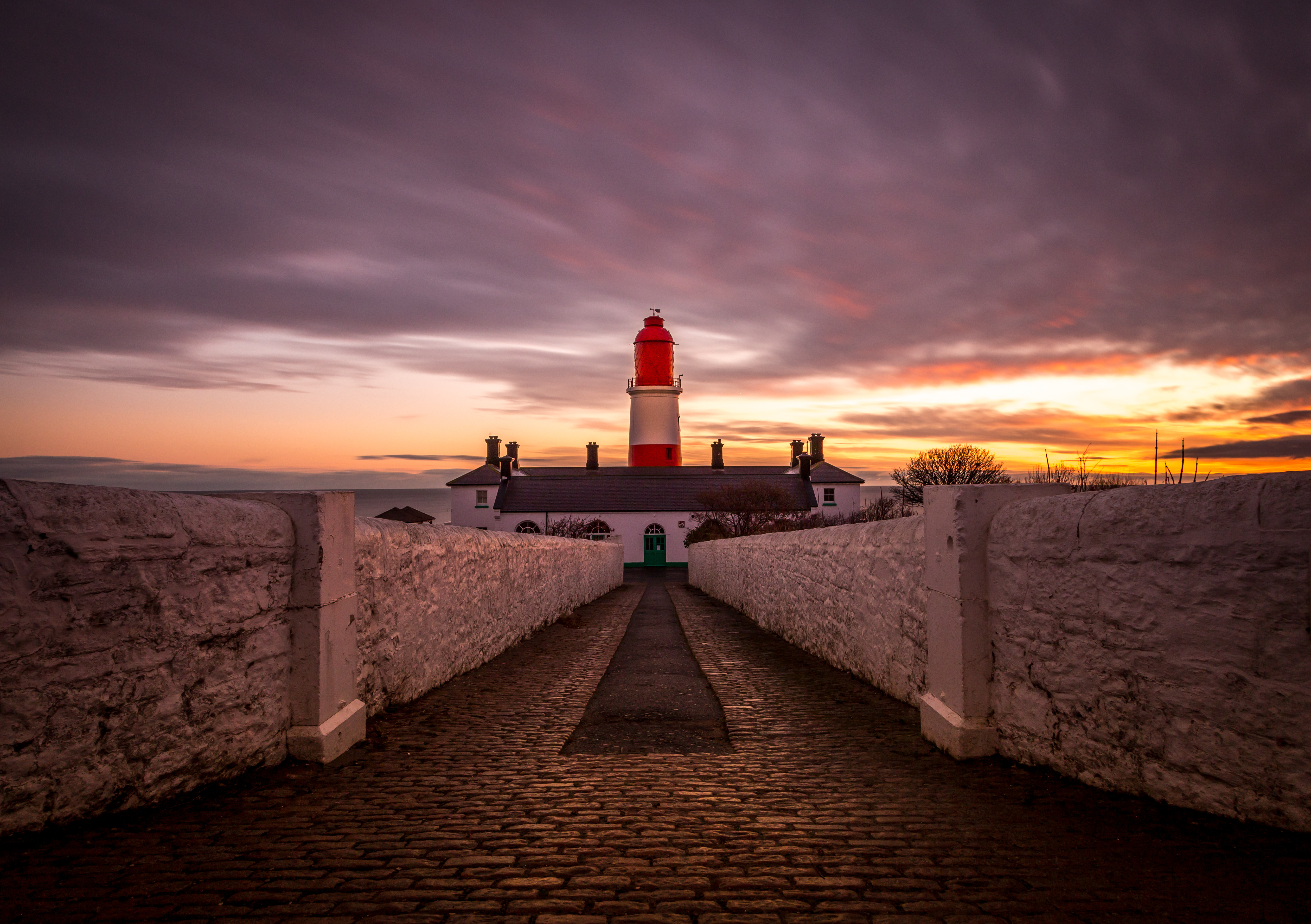
Souter Lighthouse
England — Sunderland, Tyne and Wear
Opened in 1871 as the world’s first purpose-built electric lighthouse, Souter Lighthouse is linked to sightings of a former keeper seen climbing the spiral stairs and pausing near the lantern room. Staff and visitors report heavy footsteps, doors opening on their own, and the sudden smell of oil or ozone in empty rooms. A woman in dark Victorian dress has also been reported near the keeper’s quarters, often accompanied by abrupt cold drafts. Its exposed clifftop setting and pioneering history keep Souter among the North East’s most talked-about lighthouse hauntings.
Image coming soon
Speak Hall
England — Liverpool, Merseyside
This Tudor manor hosts a chorus of ghosts, most notably the “Grey Lady” who is believed to be Mary Norris. Visitors also report oppressive dread, weeping sounds, phantom footsteps and children’s cries echoing through empty corridors. The Blue Room often delivers ominous whispers of “get out.”
Image coming soon
St Andrew's Church
England — Consett, County Durham
Built in 1866 in Blackhill (now part of Consett), St Andrew’s Church is a Victorian-era Anglican church that has stood abandoned for years. The site has become a quiet favorite for local paranormal investigators, who report unexplained cold spots, the feeling of being watched, and occasional shadowy figures.
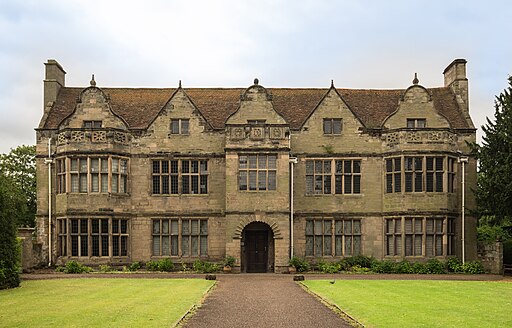
St Johns House
England — Warwick, Warwickshire
Dating back to the 17th century, St John’s House is known for persistent reports of a Victorian woman in grey, seen gliding along the upper landing and vanishing near the old schoolroom. Children visiting the museum have repeatedly reported a stern female figure believed to be a former schoolmistress, accompanied by sudden cold drafts and the sound of footsteps pacing the hall. In the cellar, investigators describe whispers, dragging sounds, and the feeling of someone standing just behind them. With layers of domestic life, schooling, and civic use intertwined, St John’s Mansion remains one of Warwickshire’s most consistently active heritage buildings.
Image coming soon
St Mary the Virgin's Church
England — Essex
Dating back to the 12th century, St Mary the Virgin’s Church in Mountfitchet is one of Essex’s oldest surviving churches, renowned for its Norman architecture and tranquil, historic graveyard. Local legends claim the site is haunted by the spirit of a lady in white and shadowy figures have been reported wandering among the tombstones, with multiple paranormal investigation teams documenting cold spots and unexplained whispers.The church remains in active use but continues to attract ghost hunters, especially during nighttime events.
Image coming soon
St Mary's Church
England — Stansted, Kent
St Mary’s Church, an isolated medieval church in Kent, is renowned for its eerie atmosphere and literary fame as the inspiration for the opening scene of Charles Dickens’ Great Expectations. The site is a favorite for ghost hunters, with reports of unexplained noises, sudden cold spots, and the sensation of being watched.
Image coming soon
St Mary’s Church (Black Magic Church)
England — Clophill
Dating back to the 14th century, the ruined St Mary’s Church at Clophill gained notoriety in the 1960s after reports of black magic rituals and grave desecrations. Locals and investigators have since described hooded figures, ghostly chanting, and flickering lights among the crumbling walls. With its mix of medieval history, occult associations, and chilling atmosphere, it has become one of England’s most infamous paranormal hotspots.
Image coming soon
St Osyth Cemetery
England — Clacton-on-Sea
Located in the village of St Osyth, Essex, this cemetery lies near the infamous Cage — once used to imprison suspected witches during the 16th and 17th centuries. Locals and visitors alike report eerie sightings among the gravestones, including shadowy figures and ghostly whispers tied to the area’s dark witch-trial history.
Image coming soon
Stanley Halls
England — South Norwood Hill, London
Stanley Halls, a Grade II listed Edwardian arts venue opened in 1903, is not only an architectural landmark but is also reputedly haunted. Staff, visitors, and performers have reported unexplained footsteps, sudden chills and sightings of shadowy figures- especially in the backstage corridors and balcony areas. The site regularly hosts ghost tours and paranormal investigations, with its stories featured on local history and supernatural blogs.
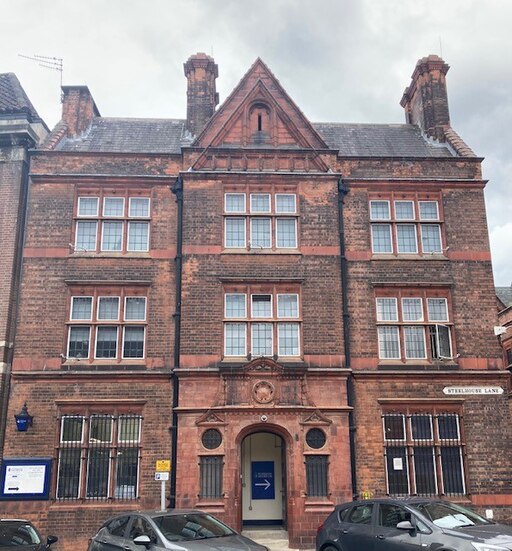
Steelhouse Lane Prison
England — Birmingham, West Midlands
Opened in 1891, Steelhouse Lane Prison housed some of Birmingham’s most notorious criminals, including members of the Peaky Blinders, and is now famous for shadow figures seen moving across the old cell blocks. Visitors report heavy boot-steps on the metal walkways, cell doors clanging shut on their own, and a male presence that whispers or breathes behind people during tours. The basement charge room is associated with a tall, dark apparition believed to be a former officer, while the Victorian custody cells frequently produce temperature drops and sudden knocking from empty corridors. Its oppressive architecture and long policing history make it one of the Midlands’ standout haunted institutions.
Image coming soon
Stoneleigh Abbey
England — Coventry, West Midlands
This former Cistercian abbey turned family estate dates to the 12th century and later became home to the Leigh family and a haunt for Jane Austen’s reflections. Although not widely publicized as a haunted location, local paranormal accounts point to a chilling incident in the library: during a tour, a locked door handle rattled violently with no access possible—staff confirmed the opposite side was a solid wall. Visitors also recount glimpsing a woman in tweed standing silently across the Avon, vanishing when approached
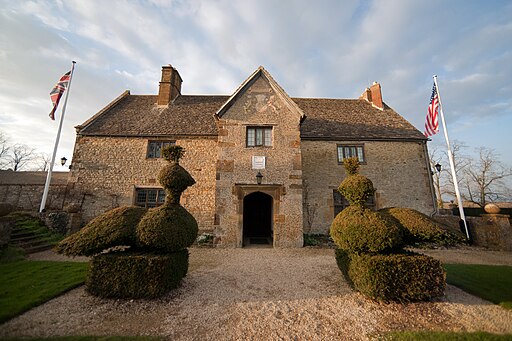
Sulgave Manor
England — Banbury, Northamptonshire
Built in the 1500s by Lawrence Washington, ancestor of George Washington, Sulgrave Manor is known for apparitions tied to its early family history. The most reported figure is a tall man in dark Tudor clothing seen crossing the Great Hall before vanishing near the screens passage. Staff also speak of a woman in a white coif who appears beside the staircase during quiet hours, and sudden cold drafts sweep the cellar where former servants once lived. Its Washington lineage and centuries-old domestic spaces have made Sulgrave a recurring investigation point for English heritage ghost groups.
Image coming soon
The Black Shuck
England — Bungay, Suffolk
A huge, spectral black dog with glowing red or green eyes, the Black Shuck is one of England’s most enduring pieces of folklore. The most infamous account took place in 1577, when the beast reportedly burst into Blythburgh Church during a thunderstorm, killing two parishioners and leaving scorch marks on the door — still visible today. Sightings continue along the coastline and lonely roads of Norfolk and Suffolk, where the Shuck is considered a harbinger of death. Modern ghost hunters report phantom growls, claw marks, and glowing eyes in the darkness.
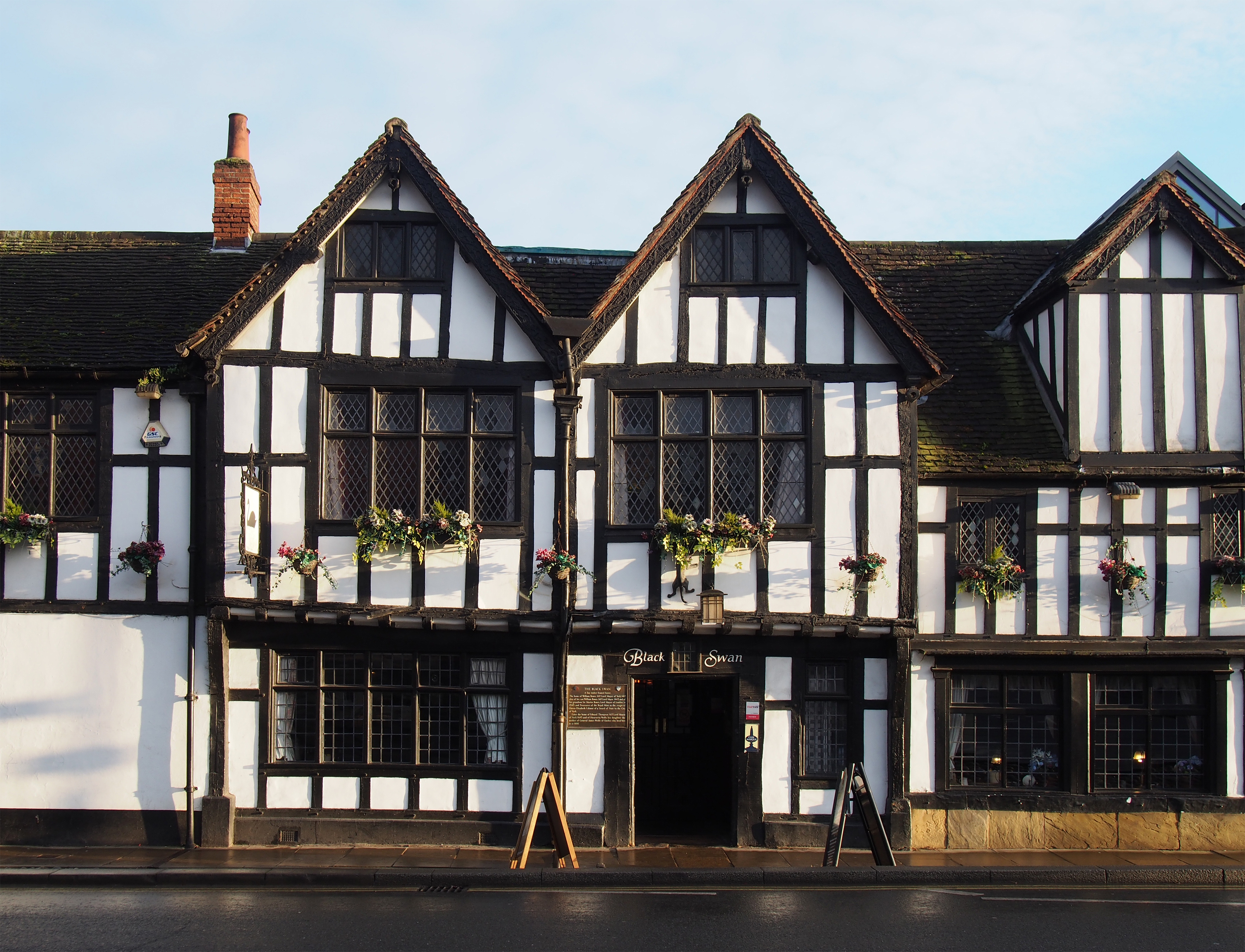
The Black Swan
England — York, Yorkshire
The Black Swan Inn is famed for a beautiful young woman—often described as a jilted bride—seen sitting silently staring into the fire in the bar’s rear room. Staff also report a Victorian boy nicknamed “Matthew” appearing in the bar/passageway, linked to small items going missing behind the counter. Other recurring lore includes a highwayman “Jack” connected to the kitchen/stable-yard area and odd activity in staff quarters, which has kept the pub on York’s haunted circuit for years.
Image coming soon
The Cage
England — St Osyth, Essex
This 16th-century cottage once served as a village prison for those accused of witchcraft, most famously Ursula Kemp, executed in 1582. Over the centuries it was also used to hold plague victims and petty criminals. Today it is one of England’s most notorious haunted houses, with visitors reporting shadowy figures, phantom voices calling their names, and violent poltergeist activity said to drive some guests out in fear.
Image coming soon
The Croglin Grange Vampire
England — Cumbria
In the late 19th century, Croglin Grange in Cumbria became the scene of one of Britain’s most infamous vampire tales. A young woman reported a gaunt, corpse-like figure with glowing eyes scratching at her window. It forced its way inside and bit her neck before retreating. Neighbors pursued the creature to a churchyard, where a disturbed crypt revealed a decaying body that appeared freshly fed. Though the house itself no longer stands, the Croglin Vampire story remains a cornerstone of English folklore, often cited as Britain’s earliest vampire legend.
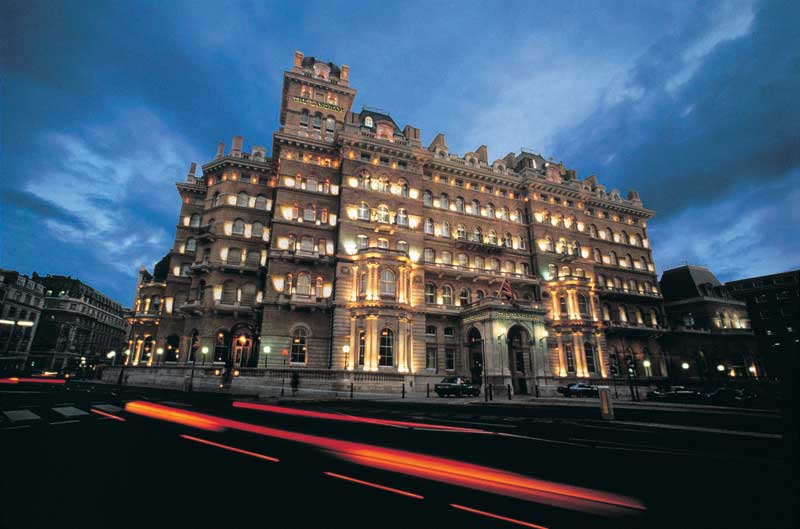
The Langham
England — Central London, London
Opened in 1865 and host to literary giants like Oscar Wilde and Mark Twain, The Langham is widely regarded as London’s most haunted luxury hotel. Room 333 is its epicenter—where a spectral figure in a Victorian nightshirt is said to appear during October, often with a shattered face. Staff and guests have also seen a German prince who leapt from a fourth-floor window, a man in military dress who paces the corridors, and a phantom butler who tidies rooms left empty. During a 1973 BBC stay, reporters fled after witnessing glowing presences and beds shaking.
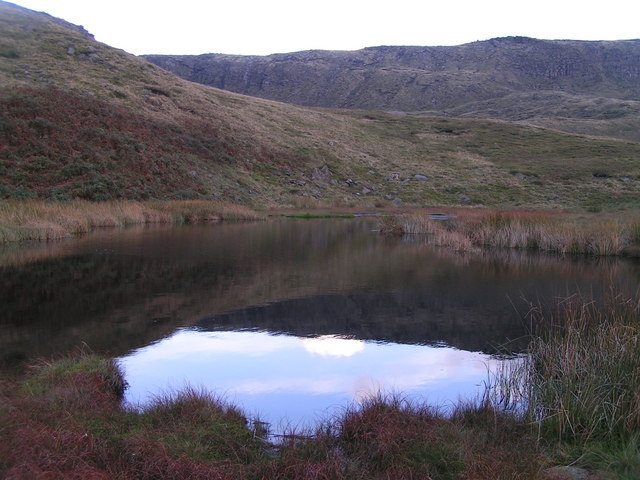
The Mermaid's Pool
England — Kinder Scout, Peak District
High on Kinder Scout, the Mermaid’s Pool is tied to a long-standing legend of a mermaid who appears at dawn on Easter Eve, offering immortality—or dragging the unwary to their death. Walkers have reported a female figure with long dark hair sitting on the rocks beside the water, vanishing when approached, while others describe sudden mist and an oppressive silence around the pool. The site has been linked to unexplained drownings and disorientation in poor weather, reinforcing its reputation as one of the Peak District’s most dangerous and folklorically charged locations. Its remote setting and persistent sightings keep the legend alive among hikers and paranormal enthusiasts alike.
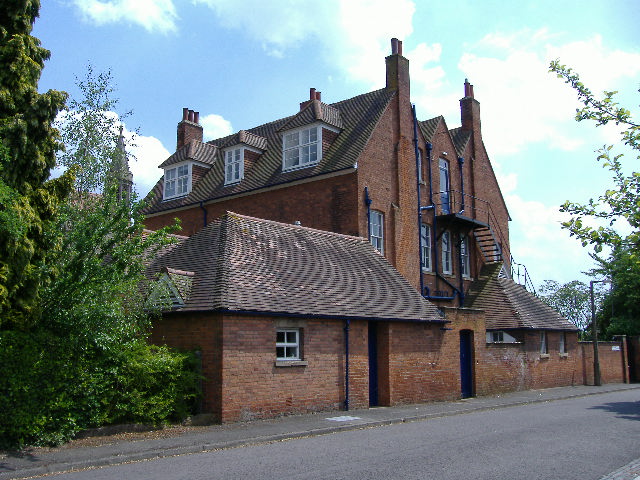
The Nunnery- The Convent of the Holy Name
England — Malvern, Worcestershire
Founded in the late 19th century, the Convent of the Holy Name (known locally as The Nunnery) is associated with reports of robed female figures drifting along the cloisters and through the former chapel after dusk. Visitors describe soft chanting, footsteps on stone floors, and the feeling of a presence watching from the upper gallery, even though the building has long been closed to religious use. Several investigators note sudden cold spots near the old dormitories and glimpses of a pale-faced nun peering from the windows before vanishing.
Image coming soon
The Pirates Graveyard
England — Portland, Dorset
This centuries-old graveyard, dating to the late 1400s, is nicknamed for its headstones carved with skulls and crossbones—symbols that have fueled legends of pirate burials. Although most stones mark local seafarers and residents, the windswept ruins and striking carvings have long given the site an eerie reputation.
Image coming soon
The Rendlesham incident
England — Rendlesham Forest, Suffolk
The Rendlesham Incident is Britain’s most famous UFO case. In December 1980, U.S. Air Force personnel stationed at RAF Woodbridge and RAF Bentwaters reported seeing strange lights in Rendlesham Forest, followed by alleged landings of an unidentified craft. Multiple witnesses described glowing objects, unexplained marks on the ground and malfunctions of electronic equipment. The incident remains unexplained and is often called “Britain’s Roswell.”
Image coming soon
The Sandown Clown
England — Isle of Wight
In 1973, two children playing near Sandown Airport reported a surreal encounter with a towering, clown-like figure. Described as having frizzy hair, odd clothing, and a mechanical-sounding voice, the being communicated telepathically and invited the children into a ramshackle hut filled with strange devices. The entity, which became known as the “Sandown Clown,” blurred the line between alien, cryptid, and folkloric spirit. With only a single, detailed account published in a UFO journal, the case remains one of Britain’s strangest unsolved encounters.
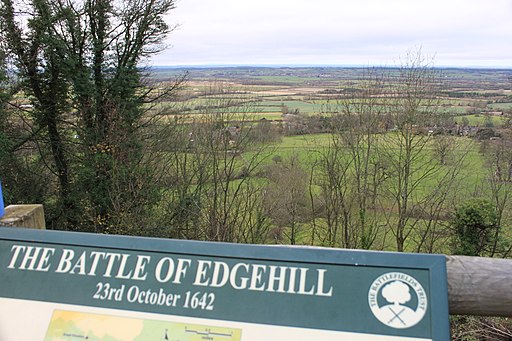
The Spectral Army of Edgehill
England — Edgehill, Warwickshire
After the Battle of Edgehill (1642), witnesses reported ghostly armies re-enacting the clash, with soldiers, drumbeats, cannon fire, and the wounded rising again from the fields. Contemporary accounts were serious enough that King Charles I ordered an official investigation, with reports of identifiable regimental uniforms. Local tradition holds that the apparitions still manifest around the battle’s anniversary in October, appearing at dusk as shadowy ranks forming across the fields.
Image coming soon
The Sun Inn
England — Chipping, Preston
Dating back to the 1700s, The Sun Inn is one of Lancashire’s oldest coaching houses—and one of its most haunted. Guests report footsteps in empty rooms, flickering lights, and the apparition of a woman in period dress standing by the bar before vanishing. Staff speak of unseen hands moving cutlery and cold spots in the attic once used as servants’ quarters. Featured on local ghost walks and paranormal forums, the inn remains a cornerstone of Chipping’s quiet but persistent haunting lore.
Image coming soon
The Tyler's Kiln
England — Canterbury
Built in the 1600s, The Tyler’s Kiln is one of Kent’s oldest inns and known for its resident ghost, a young Victorian girl seen near the fireplace. Staff have heard her humming nursery rhymes and moving cutlery when no guests are present. Cold spots, flickering lights, and footsteps in empty corridors are common, especially during renovations. Its long history and eerie calm make it a fixture of Canterbury’s haunted pub circuit.
Image coming soon
The Viaduct Tavern
England — London
A tavern that has been around for a 100 years, close to the Old Newgate Prison, landlords, Staff and visitors have all claimed to have experience terrifying paranormal events. Equipment was set up on the third floor which was historically a Brothel, where the death of a prostitute of Katie is recorded.
Image coming soon
Todmorden UFO Mystery
England — Todmorden
In November 1980, police officer Alan Godfrey reported being drawn to a diamond-shaped UFO hovering above a road near Todmorden. Afterward, he suffered 25 minutes of ‘missing time’, and under hypnosis recalled being examined by a bearded figure and small creatures aboard the craft. The incident, paired with the unsolved and bizarre death of coal miner Zigmund “Ziggy” Adamski, turned Todmorden into what locals now call “UFO Alley,” a hotspot in British alien lore.
Image coming soon
Tower of London
England — London
Dating back to 1078, the Tower of London has served as a royal palace, fortress, zoo and prison and is considered one of Britain’s most haunted sites. The most famous apparition is Anne Boleyn, who is said to wander near the Chapel of St Peter ad Vincula, where she was buried after her 1536 execution. Other spirits include Lady Jane Grey, the Princes in the Tower, and ghostly soldiers patrolling the battlements. With nearly a thousand years of bloodshed and intrigue, the Tower remains a centerpiece of English history and paranormal lore.
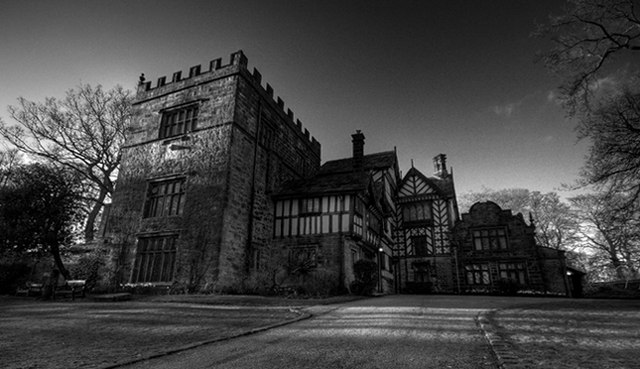
Turton Tower
England — Bolton, Greater Manchester
Originally a medieval stone pele tower and expanded by the Orrells and later the Kay family, Turton Tower carries over 600 years of domestic history—and a long record of quietly persistent hauntings. The most reported figure is a gray-clad Tudor woman seen descending the narrow staircase toward the Great Hall, believed by some staff to be linked to the 16th-century Orrell household, which suffered multiple untimely deaths. Volunteers have also encountered the “Lady of the Nursery,” a stern governess-like presence pacing outside the upper bedrooms; visitors often hear the sound of light footsteps and soft crying near the landing despite the floor being empty. In the Victorian kitchen range room, sudden cold blasts and a rushing shadow are frequently noted, accompanied by the sound of skirts brushing past.
Image coming soon
Tutbury Castle
England — Burton upon Trent, Tutbury
Founded in 1071, Tutbury Castle has witnessed sieges, royal intrigues, and the long imprisonment of Mary, Queen of Scots, whose apparition in white still glides through the Great Hall before fading at the window where she once prayed for release. Staff have also encountered a “Red Lady,” thought to be a servant who died in childbirth, and a soldier in armor patrolling the ruined walls. Electronic voice phenomena have captured pleas in archaic Scots dialect, and sudden spikes of perfume—rose and myrrh—often accompany Mary’s reported appearances. Castle custodian Lesley Smith has hosted numerous televised investigations, confirming consistent readings near Mary’s cell. Few English fortresses combine such historical weight with so many independently documented hauntings.
Image coming soon
Warminster UFO incident
England — Warminster, Wiltshire
Between 1964 and 1977, the market town of Warminster became Britain’s epicentre of UFO hysteria after locals began reporting “The Thing”—a series of mysterious humming noises and glowing craft in the skies above nearby Cradle Hill. Eyewitnesses described egg-shaped lights, vehicle interference, and vibrating air that knocked birds from flight. Journalist Arthur Shuttlewood documented hundreds of accounts, and military inquiries failed to find any cause. To this day, residents and visiting ufologists continue to gather on the downs for “sky watches,” with modern sightings of silent triangles and luminous orbs keeping Warminster’s skies firmly on the map of unexplained British phenomena.
Image coming soon
Weir Mill
England — Stockport, Greater Manchester
Built in 1790 as an early cotton mill on the River Mersey, Weir Mill is wrapped in grim industrial history — including reports of deadly incidents such as a fire that trapped workers (including child labourers), which fuels the site’s long-running “ghost children” lore. Modern accounts focus on phantom bangs/crashes, a building-wide humming that rises and stops abruptly, and a threatening presence popularly dubbed the “Shadow Man.” The location was also featured on Most Haunted (2017), with the episode summary referencing child spirits and a tall, wraith-like entity connected (in legend) to an alleged ritual.
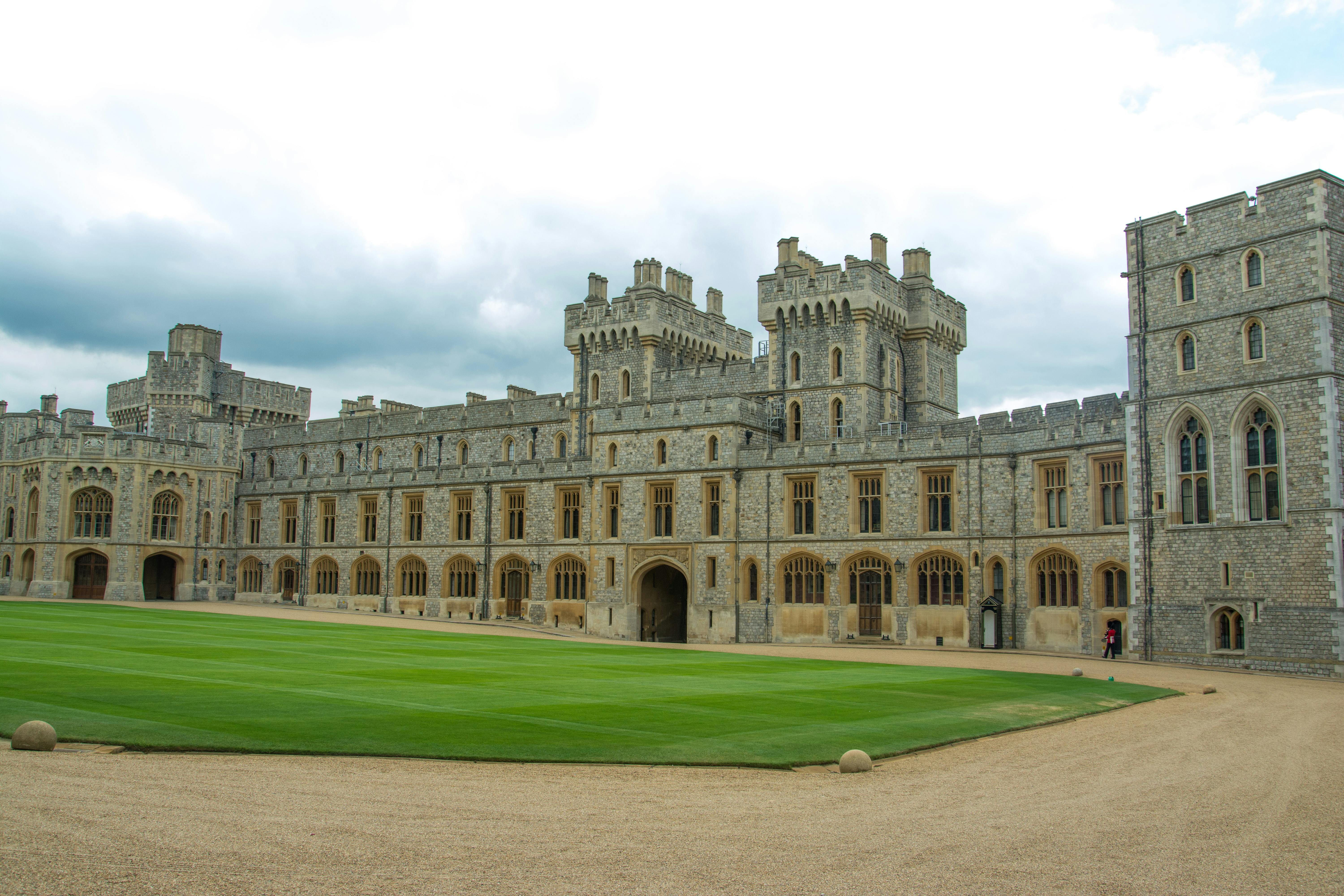
Windsor Castle
England — Windsor, Berkshire
One of Britain's most haunted royal residences, Windsor Castle has hosted sightings of Queen Elizabeth I (famously seen in the library in 1897), Henry VIII limping through the halls, and King George III appearing in a window. Accounts continue into the modern era—documentaries cite Queen Elizabeth II as having sensed a ghostly presence of Elizabeth I too. These enduring stories span from Tudor times to contemporary palace intrigue.
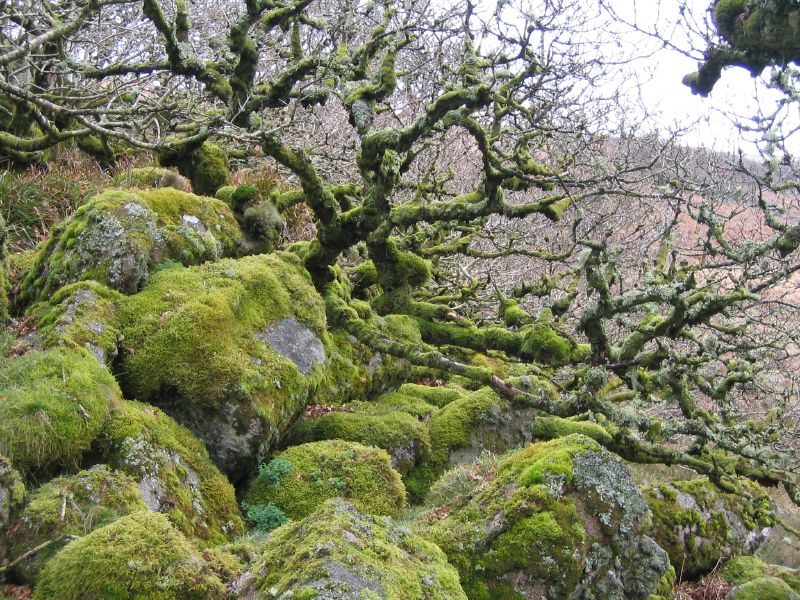
Wistman's Wood
England — Dartmoor National Park, Devon
One of Dartmoor’s oldest oak forests, Wistman’s Wood is steeped in legend. The twisted trees are said to be sacred to ancient Druids and haunted by the spectral “Wisht Hounds.” Locals advise against entering after dark, and many hikers report an eerie, otherworldly presence beneath the mossy boughs.
Image coming soon
Wollaton Park 'Gnomes'
England — Nottinghamshire
In 1979, a group of six children playing in Wollaton Park reported being chased by a troop of gnome-like figures with “pointed hats, long beards, and tiny cars” that vanished into the lake. The case became one of Britain’s strangest modern folklore encounters, as the children gave consistent, detailed accounts despite police involvement. The story has since grown into local legend, with occasional later reports of strange little figures seen darting through the undergrowth.
Image coming soon
Woodchester Mansion
England — Nympsfield, Gloucestershire
This unfinished Gothic Revival pile, abandoned in the 1870s, its incomplete corridors and bare stone interiors offering a haunting time capsule of Victorian ambition gone cold. Visitors and mediums report a wide range of inexplicable phenomena: the sound of a young girl singing an Irish lament in the kitchen, 1940s music floating through empty hallways, floating heads and orbs drifting through corridors, phantom soldiers in military uniform, a chapel haunted by a short stonemason tossing stones, a playful girl skipping on the grand staircase, and a horseman riding the drive. Woodchester Mansion regularly features on paranormal TV and ghost-hunting tours—it’s been explored on Most Haunted Live, Ghost Hunters International, and through numerous public ghost-hunt events, where visitors often experience strange cold spots, disembodied noises and objects moving of their own accord
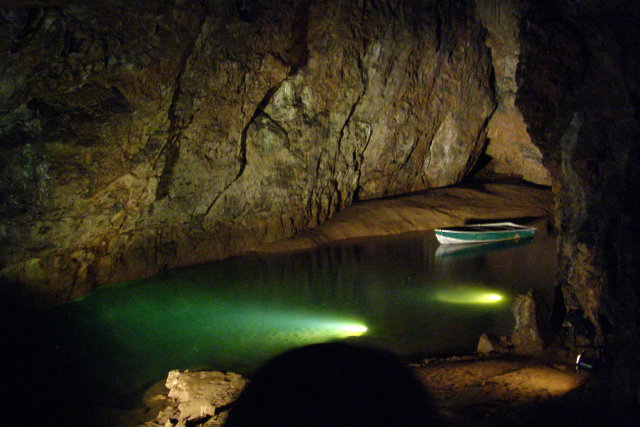
Wookey Hole
England — Wells, Somerset
Carved by the River Axe through Somerset limestone, Wookey Hole Caves are bound to the legend of the Witch of Wookey Hole, said to have cursed local lovers before being turned to stone by a monk’s blessing. Her petrified shape still stands in Chamber 3, where visitors report whispers, sudden chills, and the scent of damp earth turning sweet and floral without warning. In the adjoining mill buildings—now housing the museum and shops—staff have witnessed lights flicking on after lock-up and the silhouette of a hooded woman gliding past displays of old paper-presses. During televised investigations, motion sensors have triggered in sealed tunnels, leading many to believe the witch’s spirit still guards the cave that became her tomb.
Image coming soon
Worstead Church
England — Worstead, North Norfolk
A photo taken in 1975 by a man of his wife praying in this medieval church revealed a mysterious elderly woman in white sitting behind her—unseen at the time. Both insisted the church was empty, and the photograph has since become a favorite among those intrigued by the church’s long history and ghostly legends.
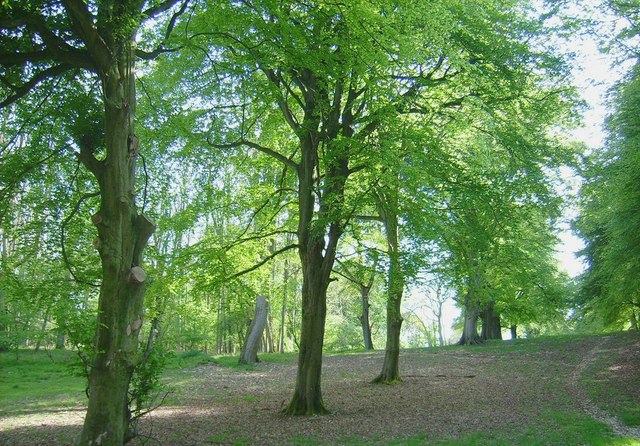
Wychwood Forest
England — Witney, Oxfordshire
Once a vast royal hunting ground, Wychwood Forest is one of England’s oldest woodlands and a focal point of eerie folklore dating back to the Middle Ages. The most famous legend tells of Amy Robsart, wife of Robert Dudley, whose ghost is said to appear before the death of those who see her — a tale first recorded in the 16th century. Over the years, witnesses have described ghostly horse-drawn carriages, whispering voices among the oaks, and an unexplained chill that follows those who stray from the main paths. Paranormal researchers continue to investigate the area, drawn by consistent reports of apparitions and the forest’s centuries-long association with witchcraft and death omens.
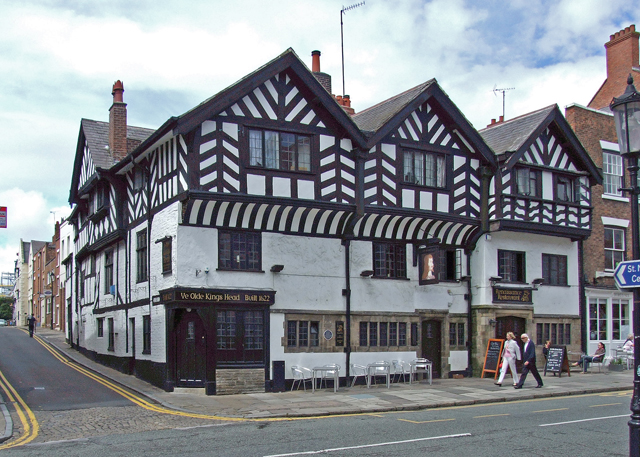
Ye Olde King's Head Hotel
England — Chester, Cheshire
This centuries-old inn in Chester, England, is a hotbed of paranormal energy. Guests recount chilling poltergeist activity, especially in the bar and specific rooms where unseen hands move objects and cold spots linger. Whispers, shadow figures and phantom footsteps
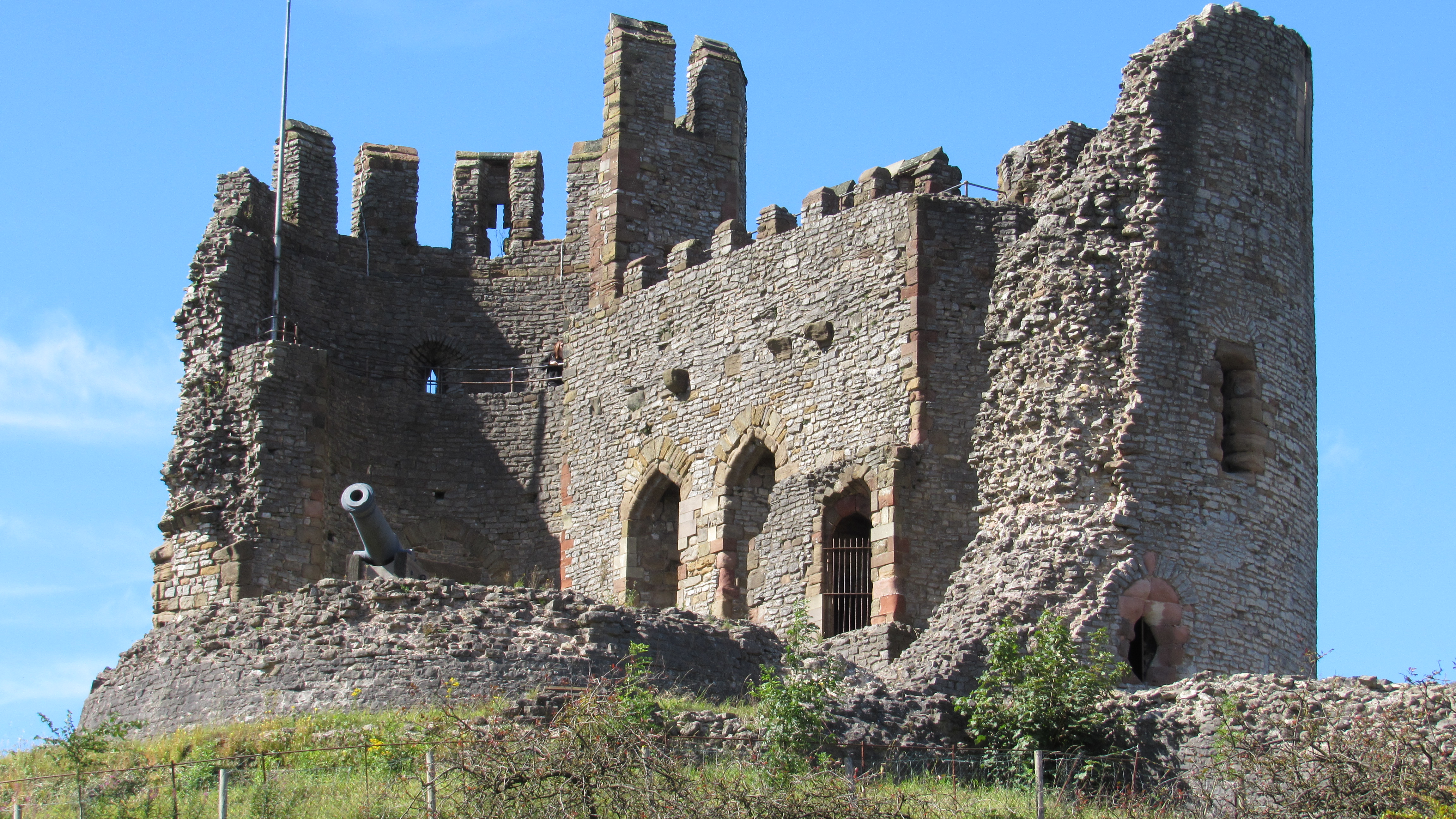
Dudley Castle
England — Dudley, West Midlands
Constructed in 1070 and later slighted during the English Civil War, this ruined fortress is dominated by the legend of the "Grey Lady," believed to be the spirit of Dorothy Beaumont who died in 1646 after her newborn child perished. Witnesses frequently report a sorrowful figure in a grey gown wandering the chapel undercroft and the Grey Lady Tavern, often accompanied by a blue mist, sudden temperature drops, and the sound of a "screaming child" echoing through the stone corridors. The castle keep is another major hotspot where people have heard the rhythmic beating of a drum attributed to a young "Civil War Drummer Boy" killed by a musket ball, as well as sightings of an elderly woman with a black cat who was purportedly executed for witchcraft on the battlements. Modern paranormal investigators and zoo staff have documented poltergeist activity in the aquarium area, including doors sl…
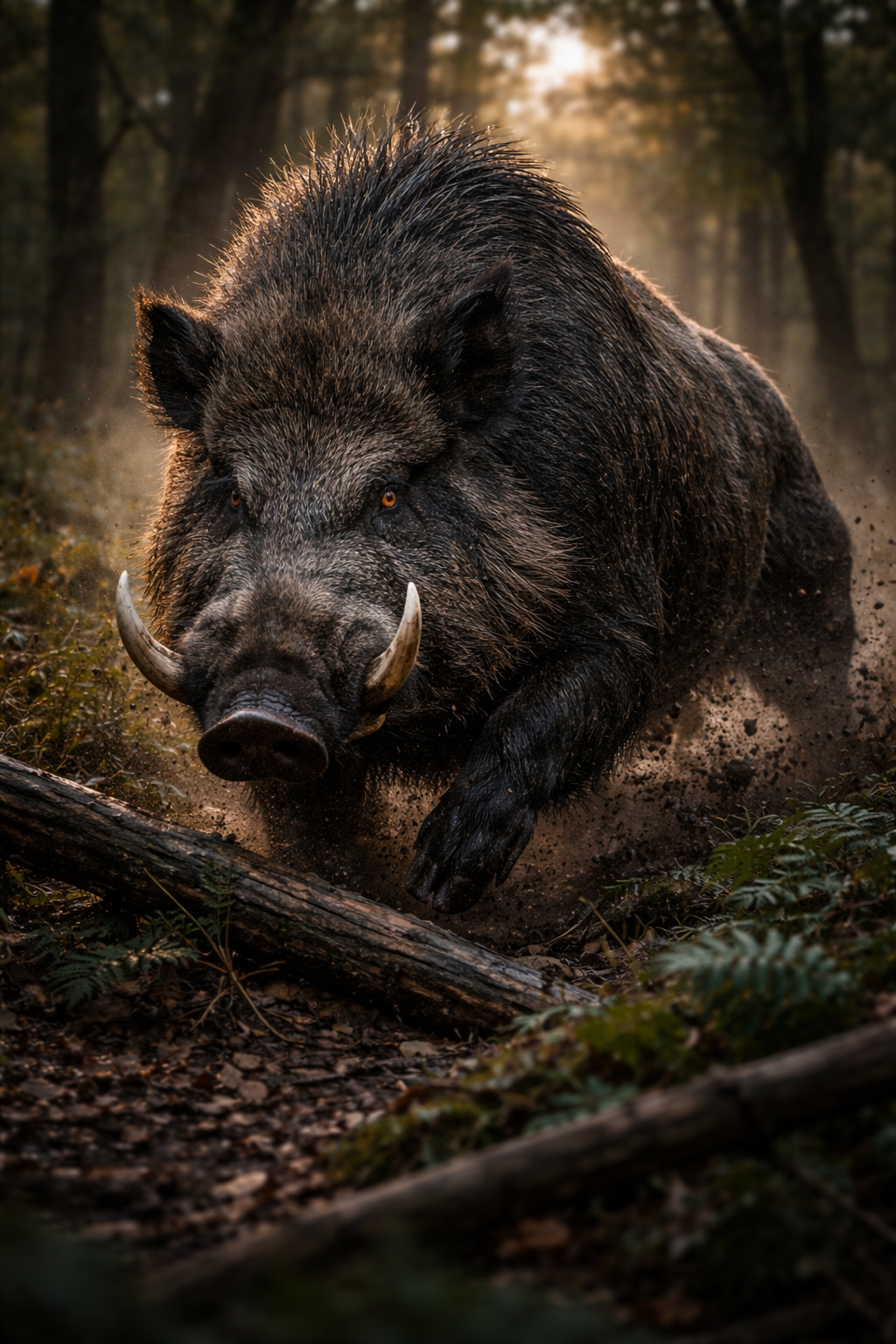
Beast of Dean
England — Forest of Dean, Gloucestershire
Deep within the ancient woodlands of Gloucestershire dwells a massive, boar-like cryptid known locally as the Moose-Pig. While 19th-century folklore claims the creature was a giant boar capable of leveling hedges and killing livestock, modern sightings describe a shadow-black, canine-hybrid predator with glowing eyes. In 2021, hikers documented rhythmic, heavy "huffing" sounds and large, unidentifiable tracks near the Woorgreens Nature Reserve. Local legend suggests the Beast is a guardian of the forest's iron mines, appearing most frequently to those who venture off-trail at dusk. Recent YouTube expeditions have captured "eye-shine" at heights inconsistent with local wildlife, fueling theories of a relict population of prehistoric suids or "ABC" (Alien Big Cats).
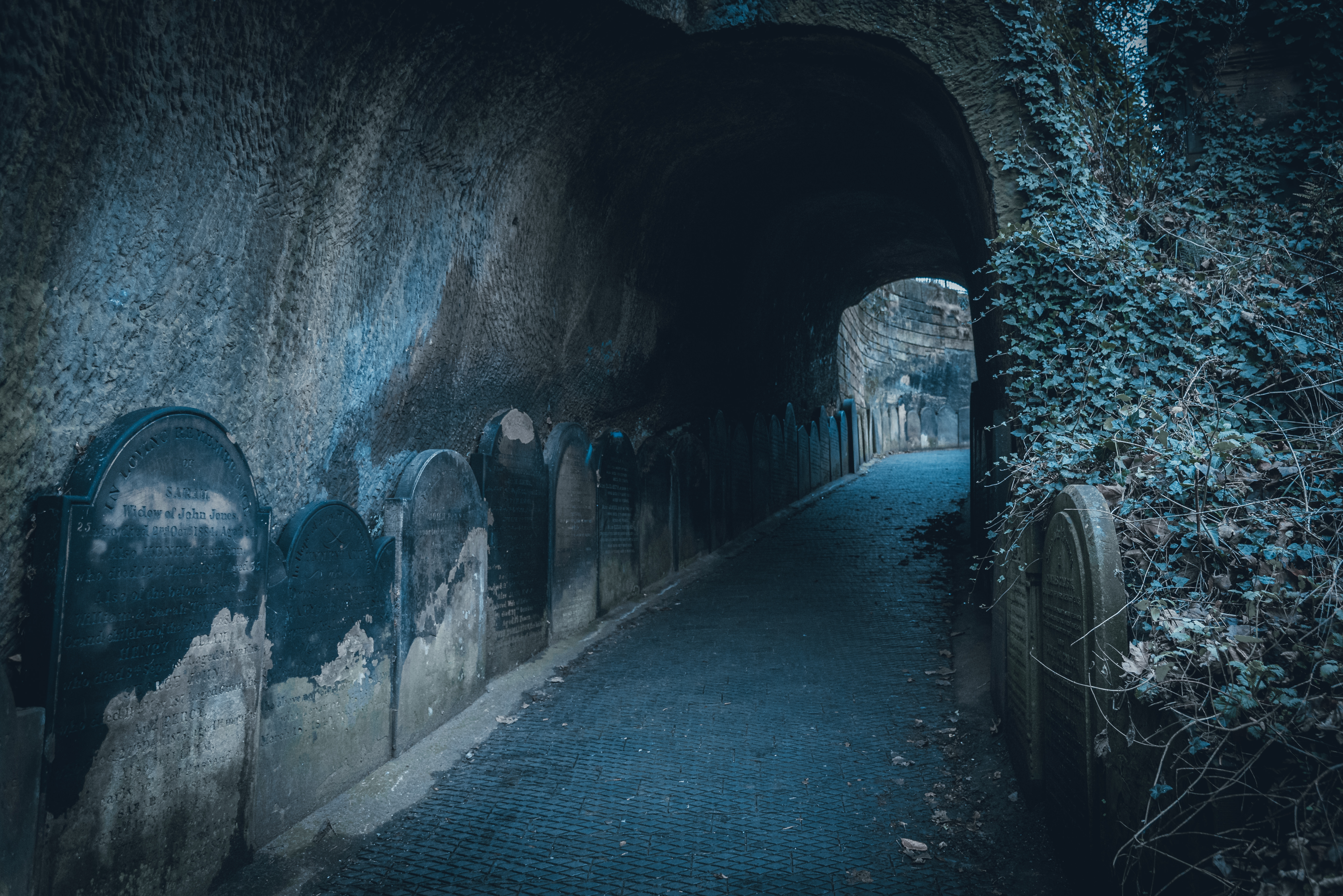
St James Cemetery
England — St James’ Cemetery, Liverpool
Located in a deep, hollowed-out stone quarry behind the Anglican Cathedral, this cemetery is a "natural amphitheater" for paranormal activity, housing over 58,000 bodies. The most documented entity is William Huskisson, an MP who was the first person killed by a locomotive; his translucent figure is frequently seen limping near his grand mausoleum. Modern investigators focus on the "Spring-Heeled Jack" sightings—a tall, shadowy figure that reportedly leaps over the high cemetery walls in a single bound. Recent 2025 YouTube vlogs highlight "light orbs" that follow tour groups and the distinct scent of ozone near the "Healer’s Spring" (the city's only natural spring). The cemetery’s unique geography creates "sound pockets" where whispers from across the grounds sound as if they are being spoken directly into a visitor's ear.
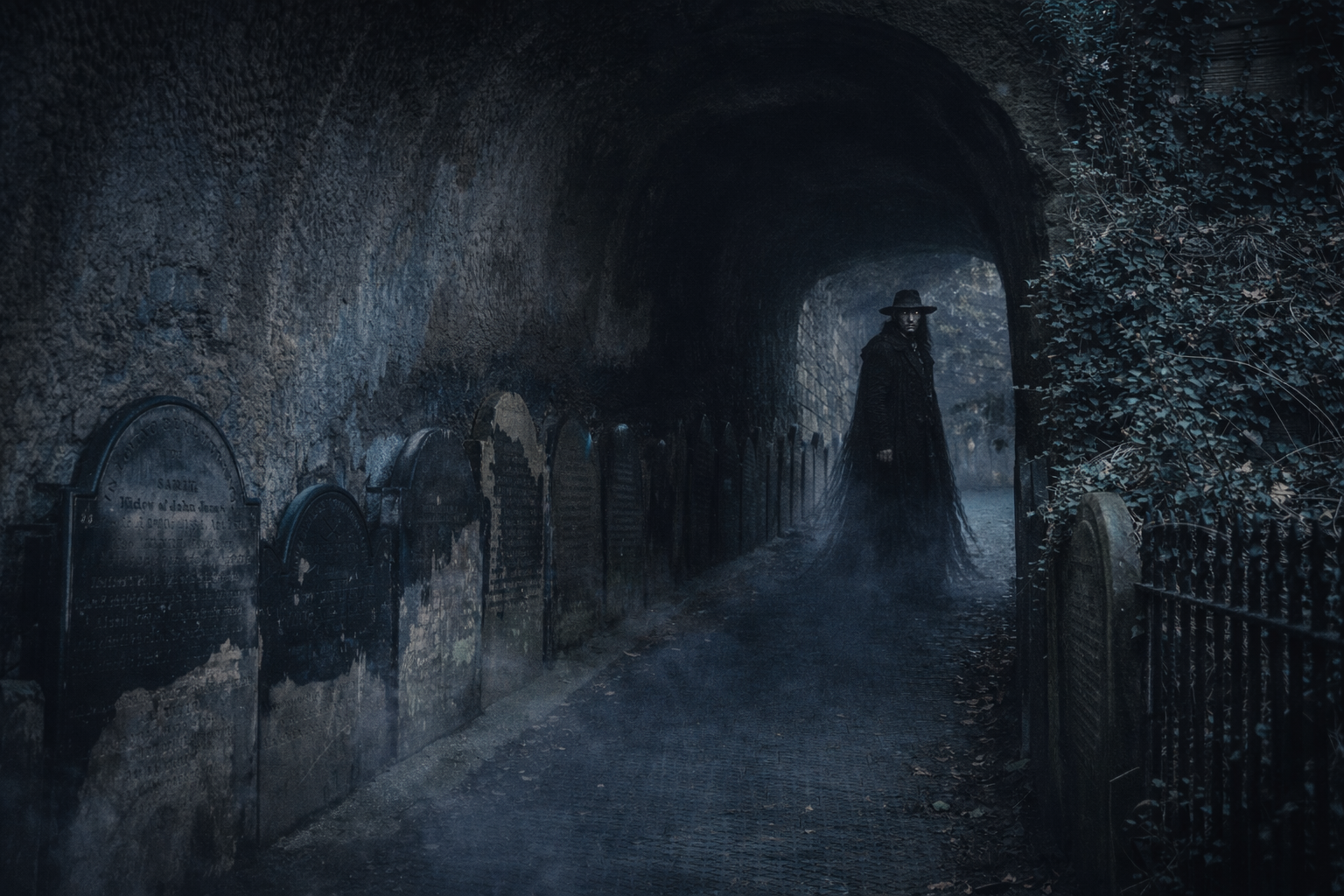
Vampires of Liverpool
England — St. James Cemetery & Toxteth Park Cemetery, Liverpool
The dark lineage of the Liverpool Vampire begins at a 1680 "crossroads burial" at the junction of Rupert Lane and Everton Road, where a local farmer—accused of blood-drinking after murdering his wife—was staked and buried face-down to chain his spirit to the earth. This ancient ritual failed to contain the rot, as the entity eventually surfaced within the sunken, claustrophobic quarry of St. James Cemetery. By 1894, the haunting took the form of a young woman in a long black robe; with large, dark eyes and a predatory grace, she became a fixture of Victorian local lore, seen drifting through the cemetery fog. However, the chaos of the 20th century seemed to strip away this elegant facade. During the 1930s and the terror of the Blitz, air-raid wardens documented a "leaping, gaunt figure" that hunted amongst the jagged ruins of bombed-out terraced houses with unnatural agility. Today, the …
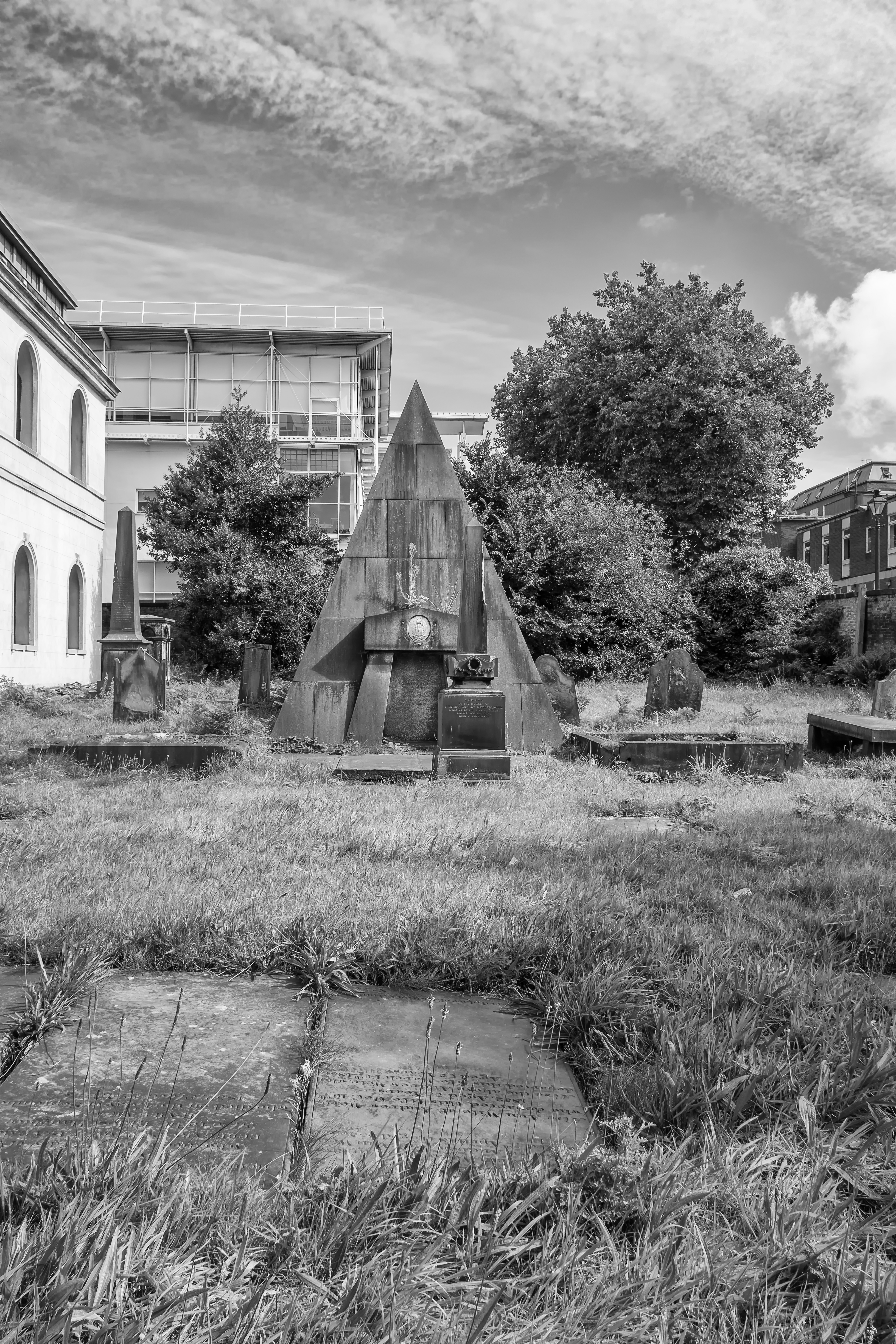
Rodney Street Pyramid
England — St. Andrew's Church Cemetery, Liverpool
Standing in the graveyard of St. Andrew's Church, this 15-foot stone pyramid is the tomb of William Mackenzie, a Victorian engineer who allegedly lost his soul to the Devil in a poker game. Legend states he was buried sitting upright inside the pyramid, clutching a winning hand of cards to cheat his way out of hell. Modern activity is focused on the "Knocking Tomb," where visitors document a rhythmic, metallic thumping coming from inside the stone structure at midnight. The spirit of Mackenzie, the "Man in the Top Hat," is frequently seen leaning against the pyramid or walking the length of Rodney Street before disappearing into the church walls. Recent 2024 audio recordings highlight "intelligent" spirit box responses that mention "the gamble" and "the debt," accompanied by a sudden, heavy scent of sulfur.
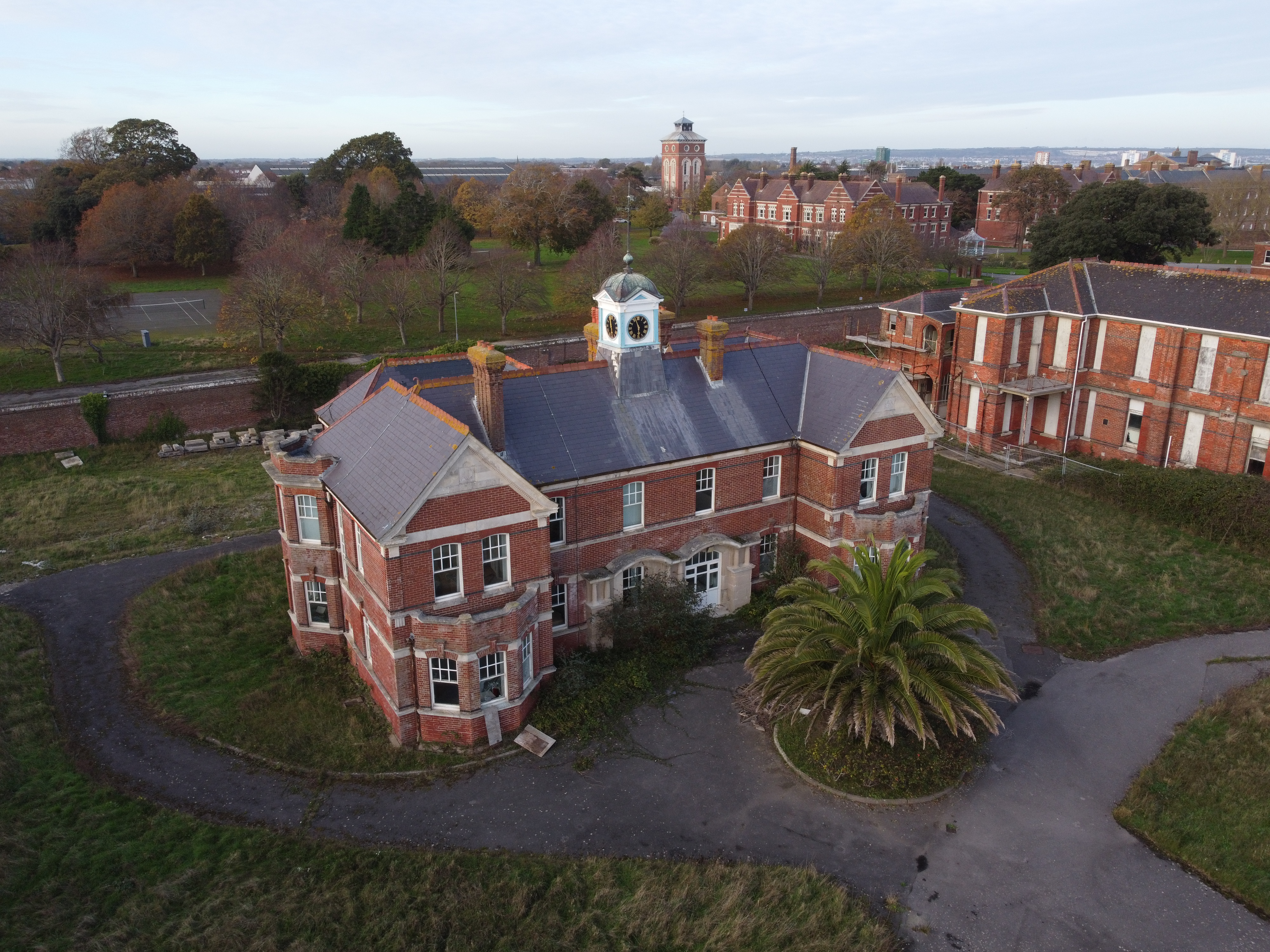
Royal Haslar Hospital
England — Gosport, Portsmouth
Royal Haslar is not just an abandoned hospital; it was one of Britain’s most important naval medical sites, admitting patients from 1753 and completing its great Georgian form in 1762. Designed by Theodore Jacobsen, it was conceived on a huge scale for Royal Navy casualties and later treated civilians and all three services, which gives the place an unusually dense medical and military past. The grounds matter as much as the main building: Haslar’s burial areas held thousands of dead, including sailors from disease outbreaks, men from the Royal George disaster, casualties connected to Trafalgar, and even the bodies of John Millward, Thomas Burkett and Thomas Ellison after the Bounty mutiny hangings. Human remains were still being uncovered during later building works, which help keeps the haunting stories alive. The best-known apparition is the White Lady, with reported incidents in 1998…