
Watch the sky. Record what happened.
A practical UFO and UAP field-equipment guide for observers, investigation groups and instrumented research stations—built around identification, precise metadata and evidence another investigator can examine.
The goal is not a better dot. It is better data.
A long lens alone cannot tell you the size, distance or speed of a light in the sky. Useful field evidence combines a stable wide view, accurate time and location, orientation, preserved original files and checks against aircraft, satellites, stars, planets, balloons, drones, birds and atmospheric effects.
Reporters, researchers and system builders.
These are the people and projects informing this guide—not celebrity endorsements pasted onto unrelated products. Their work explains why precise reporting, multiple sensors and instrumented observation matter.
Peter Davenport
Long-time director of the National UFO Reporting Center. His work centres on collecting detailed witness accounts and separating stronger reports from mistaken identity and hoaxes.
Stanford profile ↗Avi Loeb
Head of Harvard’s Galileo Project, which is building transparent, systematic searches for technological signatures using high-resolution, multi-detector observatories.
Galileo activities ↗Ron Olch
Electrical engineer and computer scientist behind UFODAP’s low-cost optical tracking concept, automated target detection software and multi-sensor acquisition units.
UFODAP technology ↗Fran Ridge
Veteran investigator and director of the MADAR Project, a distributed network of anomaly-detection nodes developed from his earlier geomagnetic detector work.
CUFOS profile ↗A first kit that helps you identify things.
For skywatchers and new investigation groups. Begin with wide-field optics, a physical sky reference and stable capture. The most valuable upgrade at this level is not more magnification—it is learning the sky and writing down the details a video cannot show.
Optics & sky identification
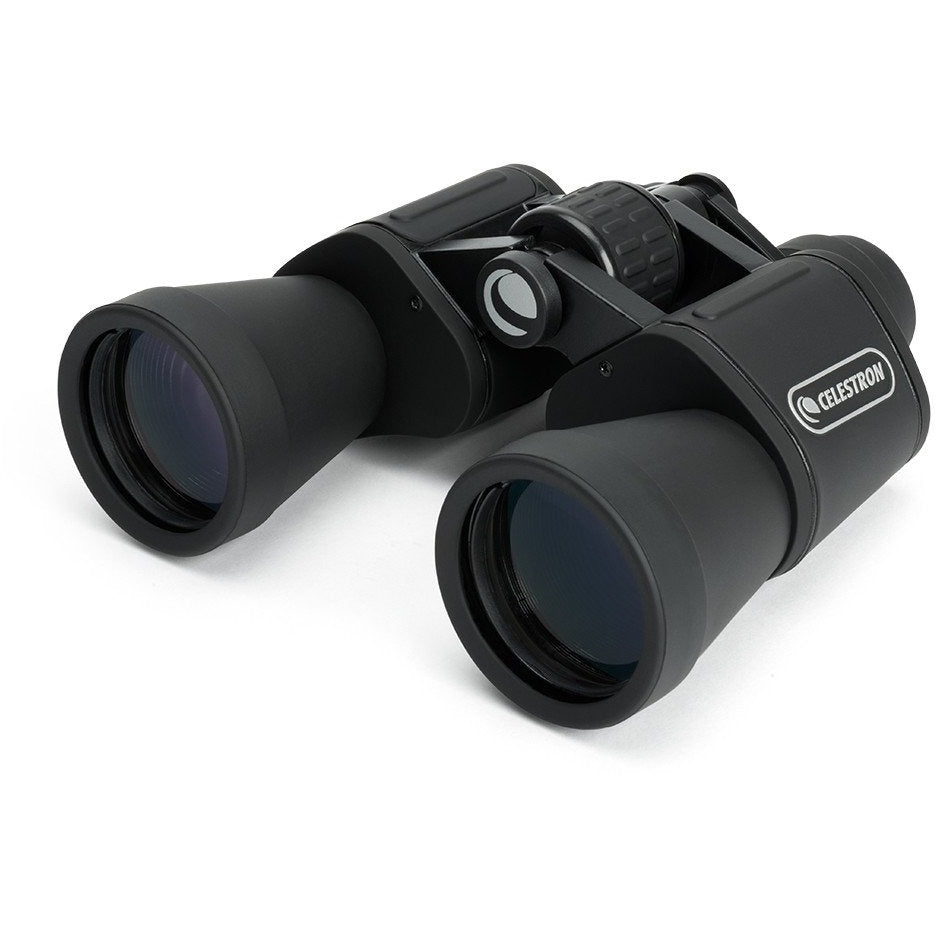
Celestron UpClose G2 10×50
An affordable, wide-view binocular for checking whether a distant light has navigation lights, wings or a recognisable shape. Ten-power magnification is still manageable by hand.
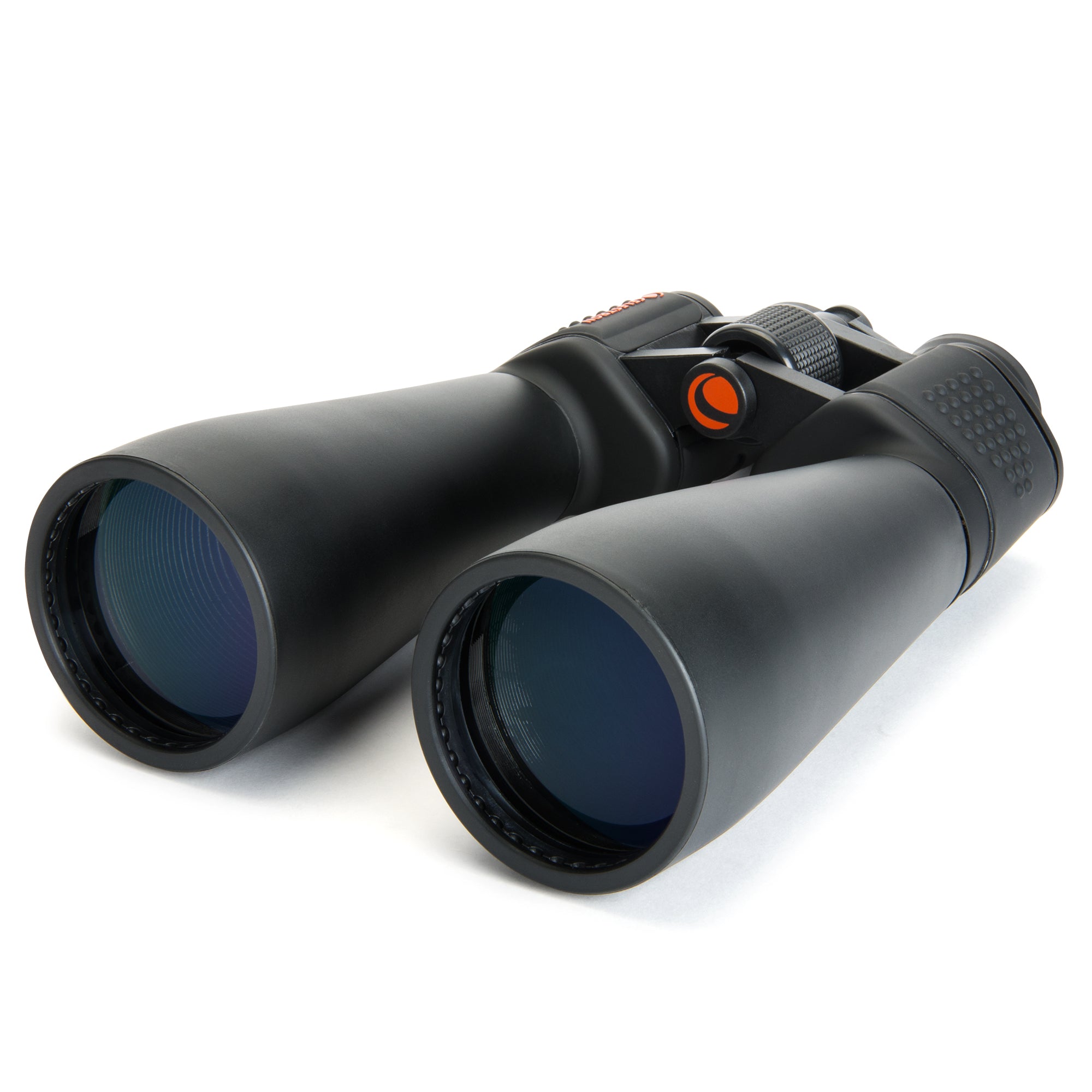
Celestron SkyMaster 15×70
Large-aperture binoculars for low-light and long-distance viewing. The extra reach is useful, but the narrow, amplified shake makes a tripod or solid support essential.
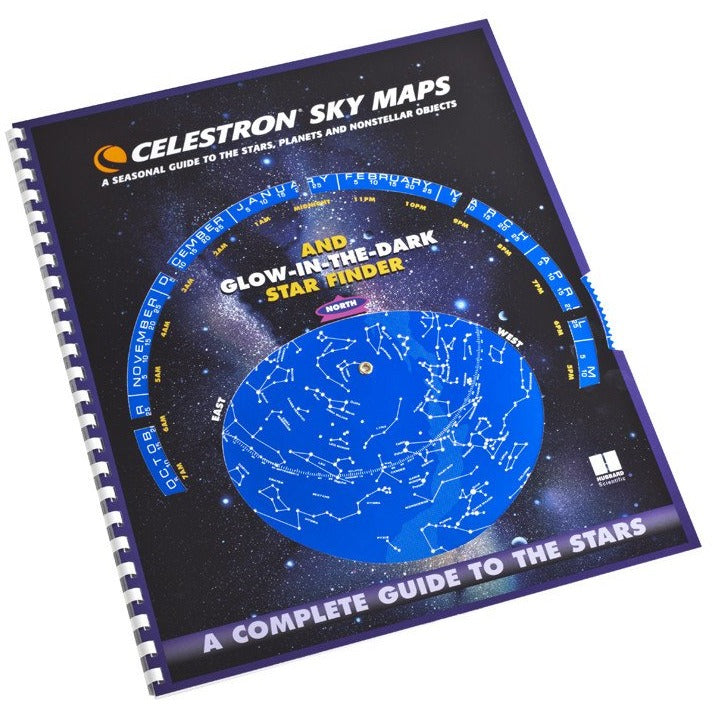
Celestron Sky Maps
Seasonal charts with a luminous planisphere for identifying bright stars, constellations and planets without relying on mobile reception or a bright screen.
Stable capture & field logging
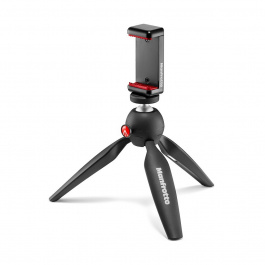
Manfrotto PIXI Smart
A compact tripod and phone clamp for stable wide video. Rest it on a vehicle roof or wall, keep landmarks in frame and avoid pinching the screen to digital-zoom a point light.

Rite in the Rain 3×5 Notebook
A pocket log that survives wet fields. Record exact time, location, bearing, elevation, duration, weather, apparent size and the names of independent witnesses.
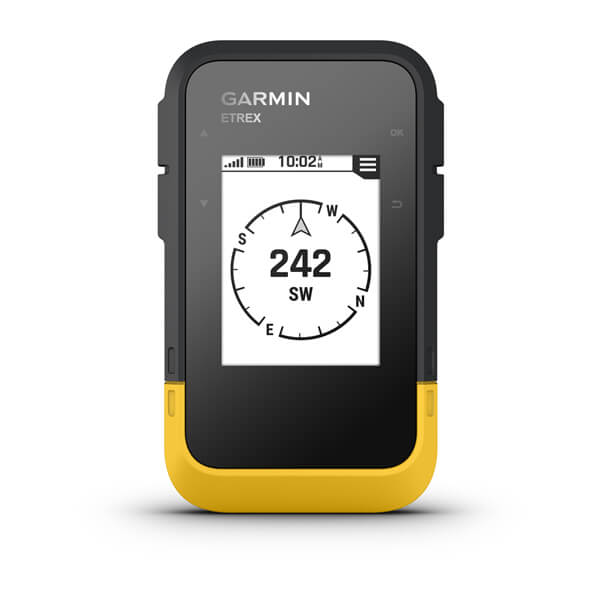
Garmin eTrex SE
A rugged handheld for recording a waypoint, heading and track away from mobile coverage. It also provides a separate location record rather than relying only on a phone.
About 90 percent of what we receive is a hoax or a case of mistaken identity.Peter Davenport — NUFORC directorRead the profile ↗
Please be as precise as possible.National UFO Reporting Center — sighting guidanceSee the report form ↗
The nature of science is to better understand the unknown – but the language of scientists is data.NASA — UAP independent study guidanceNASA UAP FAQ ↗
Turn a sighting into a testable record.
For regular observers who already log time, bearing and sky conditions. This tier adds optical reach, low-light recording and independent aircraft or radio checks. Use a wide camera alongside every zoomed view so motion can be measured against the scene.
Long-range daylight cameras

Panasonic Lumix DC-FZ82
A current 20–1200mm-equivalent bridge camera with 4K video. Its wide end preserves context while the 60× optical zoom can help resolve distant conventional objects.
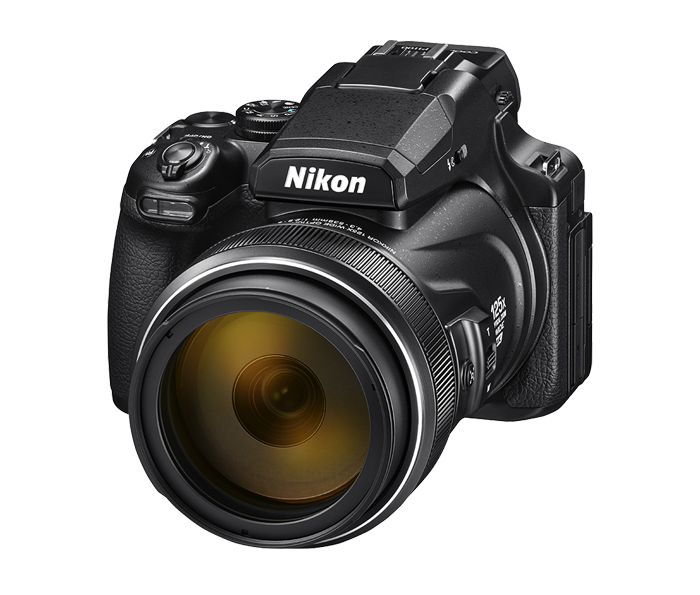
Nikon COOLPIX P1100
A 2025 superzoom with a 24–3000mm-equivalent range and 4K recording. Exceptional reach can aid identification, but atmospheric shimmer and tiny fields of view demand a sturdy tripod.
Night observation
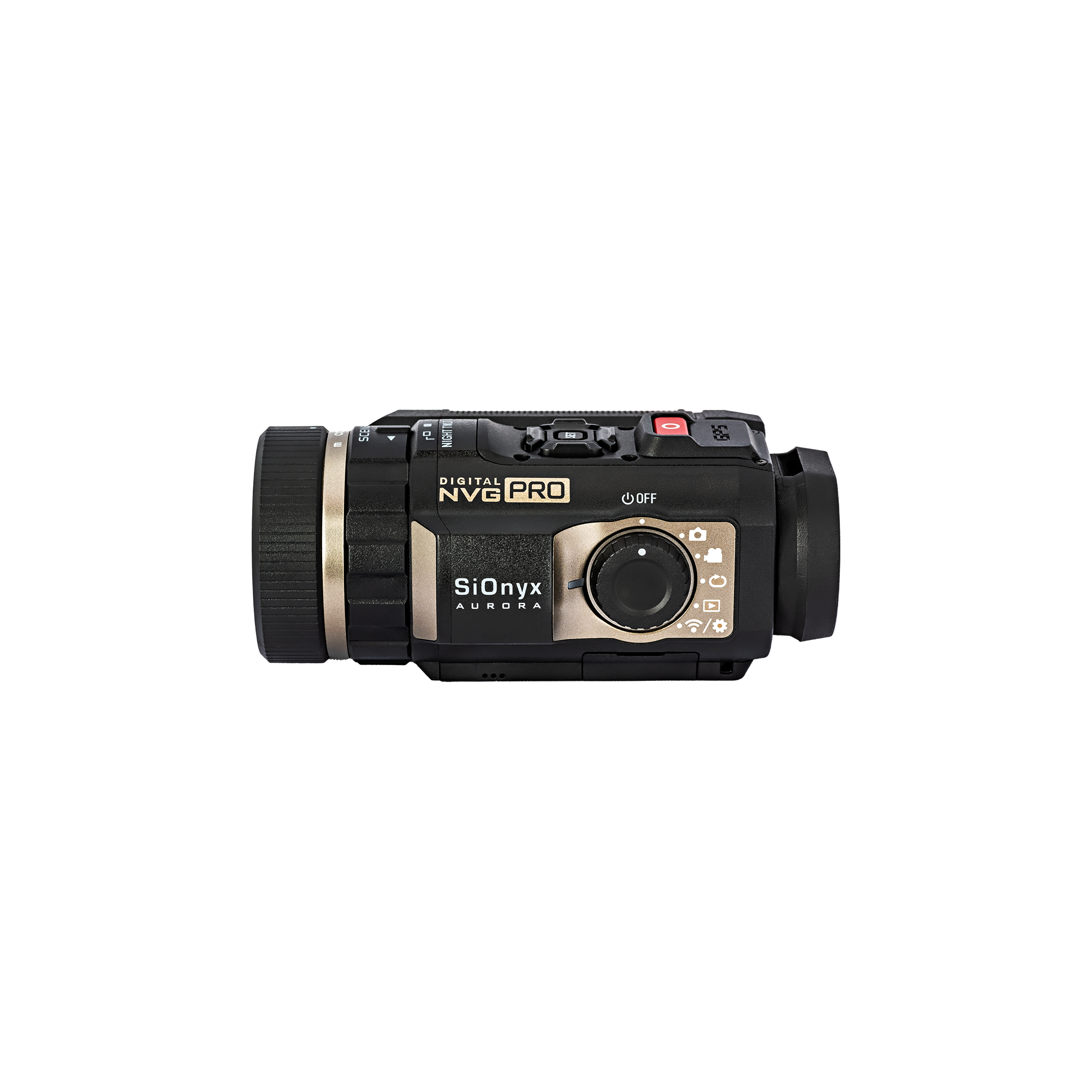
SIONYX Aurora PRO
A colour digital night-vision camera that records video and embeds useful GPS, compass and accelerometer data. It is strongest in ambient starlight; active IR changes what the scene contains.
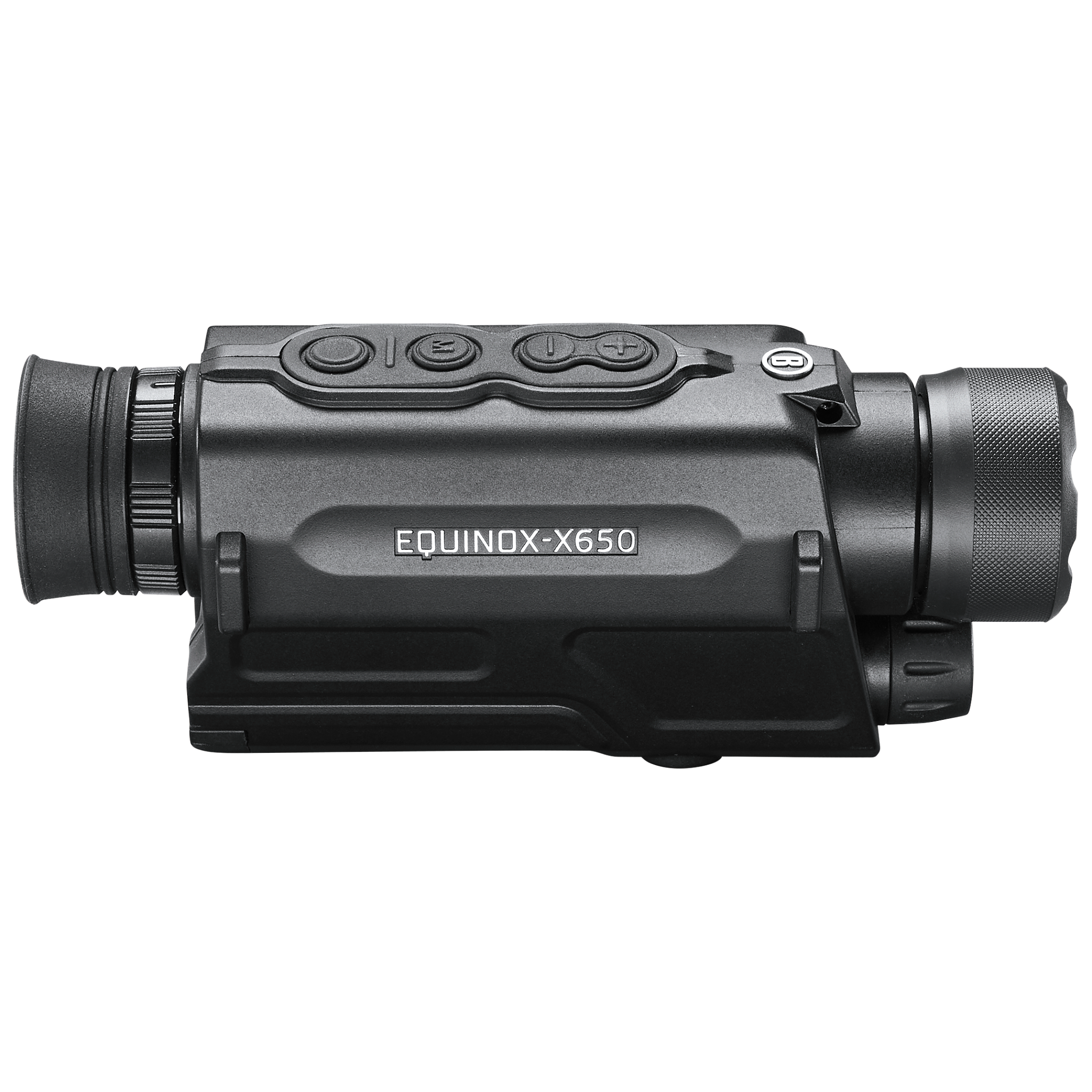
Bushnell Equinox X650
A lower-cost digital night-vision monocular with image and video capture. Its infrared illuminator is useful for the foreground, not for proving the nature of a distant aerial light.
Aircraft & radio verification

Uniden BC125AT / UBC125XLT
Region-specific handheld scanners covering civil airband. They can corroborate nearby aviation activity, but silence does not mean no aircraft and local receive rules still apply.
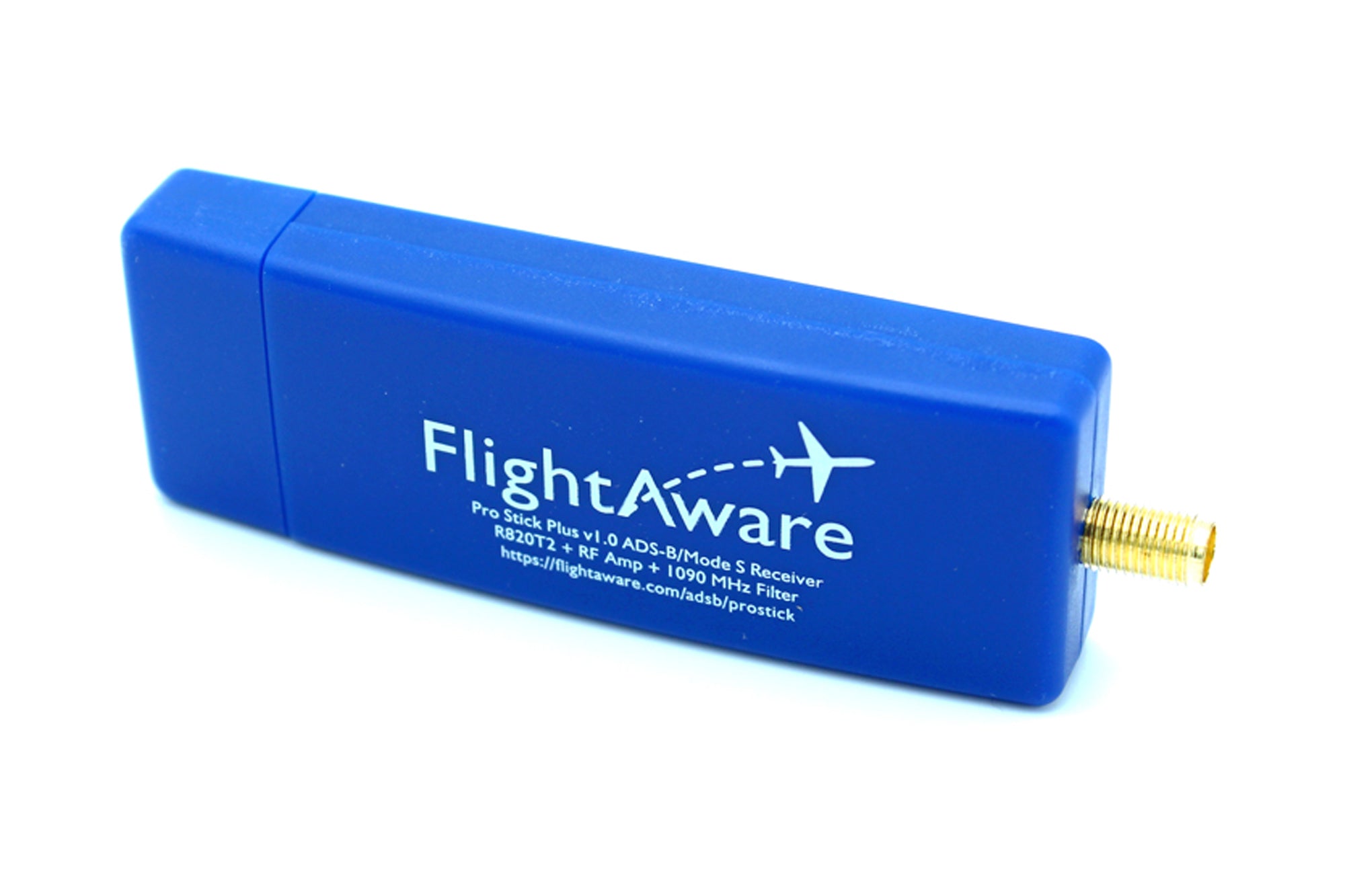
FlightAware Pro Stick Plus
An ADS-B receiver with a built-in 1090MHz filter. With a computer and antenna it creates an independent local aircraft plot; not every aircraft is equipped, transmitting or visible.
We need instruments to document the evidence.Avi Loeb — head of the Galileo ProjectRead Loeb’s article ↗
Analysis of UAP data is hampered by poor sensor calibration, the lack of multiple measurements, [and] the lack of sensor metadata.NASA UAP Independent Study TeamRead the final report ↗
Using the standard scientific method based on a transparent analysis of open scientific data to be collected using optimized instruments.The Galileo Project — research methodSee project activities ↗
Build an observation another team can audit.
For experienced groups, fixed observation sites and researchers. Professional fieldwork prioritises calibrated optics, environmental and positional metadata, independent timing and multiple observing directions. This is also where purpose-built UAP systems genuinely belong.
Low-light & telephoto imaging

Sony Alpha a7S III
A full-frame 4K camera built around sensitivity and video performance, with manual exposure, high-bitrate recording and timecode support for a disciplined low-light workflow.
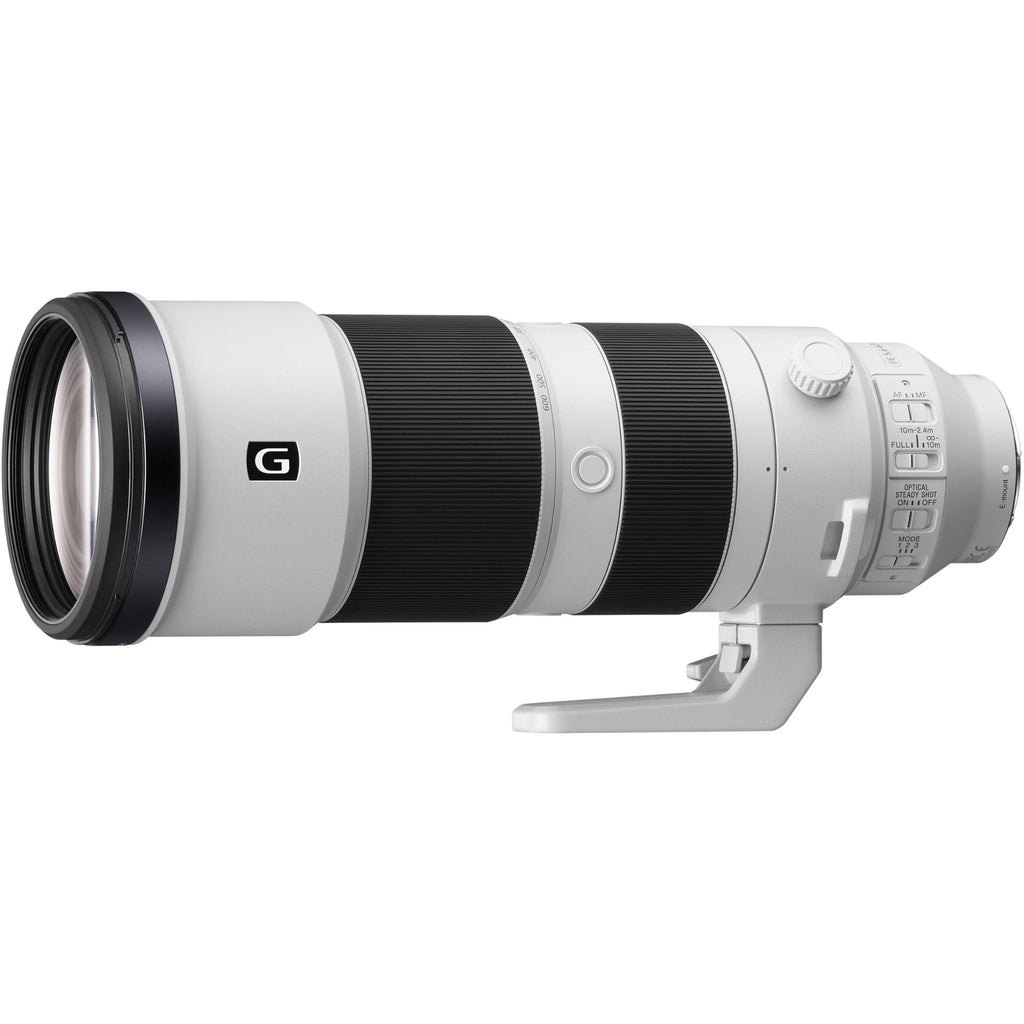
Sony FE 200–600mm G OSS
A stabilised internal-zoom lens for tracking distant moving subjects without shifting the rig’s balance. Pair it with a locked wide camera so the narrow view retains spatial context.
Environmental & location data
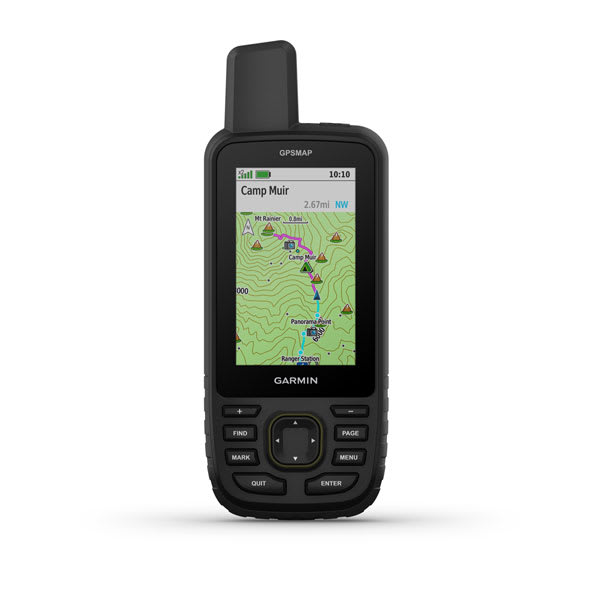
Garmin GPSMAP 67
A rugged multi-band GNSS handheld with long battery life, mapping and an electronic compass. Use saved waypoints and tracks to document observer positions for later geometry.

Kestrel 5500 Weather Meter
A pocket weather station and data logger measuring wind, temperature, humidity, pressure and direction. Time-stamped local conditions help test atmospheric explanations.
Purpose-built UAP observation systems
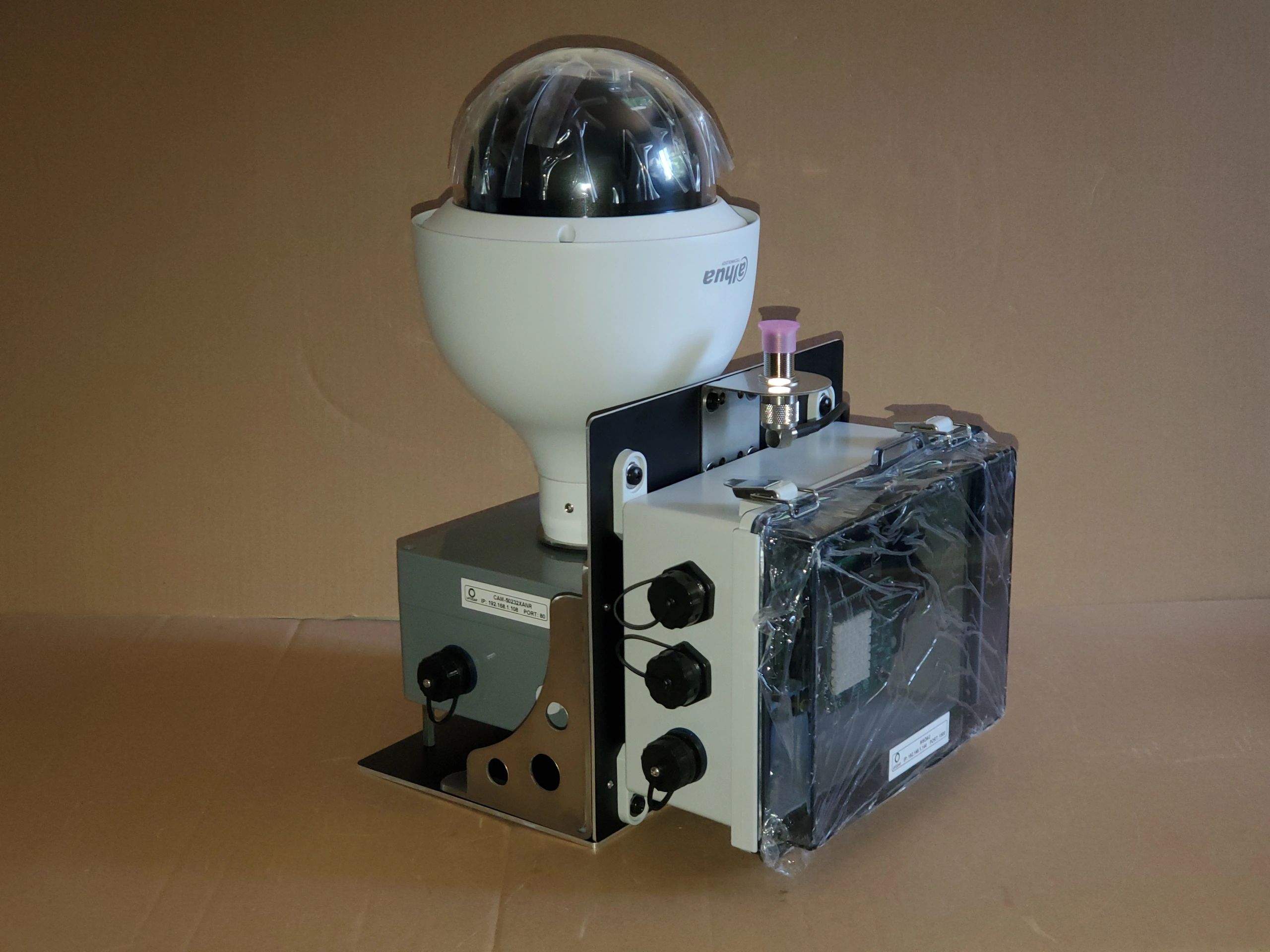
UFODAP Optical + MSDAU System
Ron Olch’s modular platform combines automatic optical target detection and tracking with GPS-timed environmental sensors. It is genuine UAP research equipment, not a repackaged novelty device.
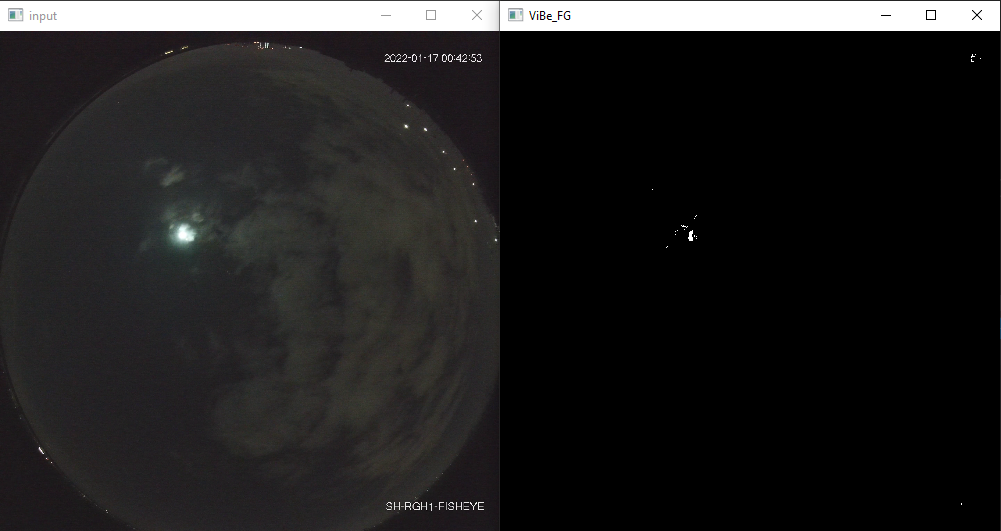
Sky360 Observation Station
A citizen-science station combining an all-sky camera, guided high-detail camera, precise time, ADS-B and other sensors. The project publishes hardware recommendations and open software.

MADAR-III Data Probe
Fran Ridge’s network node monitors local geomagnetic and pressure data, uploads readings and can trigger other equipment. The maker currently lists the probe as sold out, so check intake status before planning around it.
The Galileo Project … is focused on getting high-quality data from multiple observing directions.Avi Loeb — head of the Galileo ProjectRead the full rationale ↗
Recognize, track and record anomalous objects while simultaneously collecting data from multiple sensors.Ron Olch / UFODAP — technical focusOfficial project history ↗
Obtain high-resolution, multi-detector UAP images, discover their nature.The Galileo Project — research objectiveSee the objective ↗
Make the object measurable.
Start recording before changing lenses or settings. A useful case contains time, place, orientation, continuous context and independent checks. “Unidentified” describes the state of the evidence; it is not an explanation of what the object was.
Field safety
Never aim a laser at the sky or an aircraft. Do not trespass, drive while filming or enter restricted land. Stay clear of roads and runways, carry weather-appropriate clothing, tell someone your location and follow local laws governing scanners, drones and night-time access.