
Follow the sign. Preserve the evidence.
A practical cryptid field-equipment guide for first searches, established investigation teams and specialist wildlife research—built around tracks, images, audio and environmental evidence another investigator can examine.
A story starts the search. Data decides what survives it.
Cryptid investigation is field zoology under unusually difficult conditions. Useful work records ordinary wildlife as carefully as anomalies, protects the original scene and keeps measurements, locations, timestamps and raw files intact. The aim is not to make an encounter sound stranger—it is to leave enough information for somebody else to test it.
Investigators, field teams and working science.
These are the people and projects informing the recommendations—not invented testimonials. Their published methods explain why scaled track photography, sustained monitoring, sonar ground-truthing and contamination-controlled eDNA belong in a serious cryptid field programme.
Cliff Barackman
North American Bigfoot Center curator and field investigator whose public footprint database documents casts, trackways, measurements and missing metadata.
Footprint database ↗NAWAC
The North American Wood Ape Conservancy has published years of trace-evidence, audio and camera-trap methodology, including multi-year remote camera arrays.
NAWAC methodology ↗Adrian Shine
Leader of the Loch Ness Project, with decades of sonar, underwater imaging, environmental observation and careful interpretation of ambiguous returns.
Loch Ness Project ↗Neil Gemmell
University of Otago geneticist who led the first large-scale eDNA survey of Loch Ness, sampling its surface, margins and deep water.
Otago study ↗A first kit that protects context.
For hikers, witnesses and new field groups. Start with broad observation, a reliable waypoint, a written log and proper scale photography. If a track is worth casting, it is worth photographing and measuring first.
Observation & location

Vortex Diamondback HD 8×42
Bright, weather-resistant binoculars with a wide enough view to follow wildlife through cover. Eight-power magnification is steadier and easier to scan with than a high-power field glass.
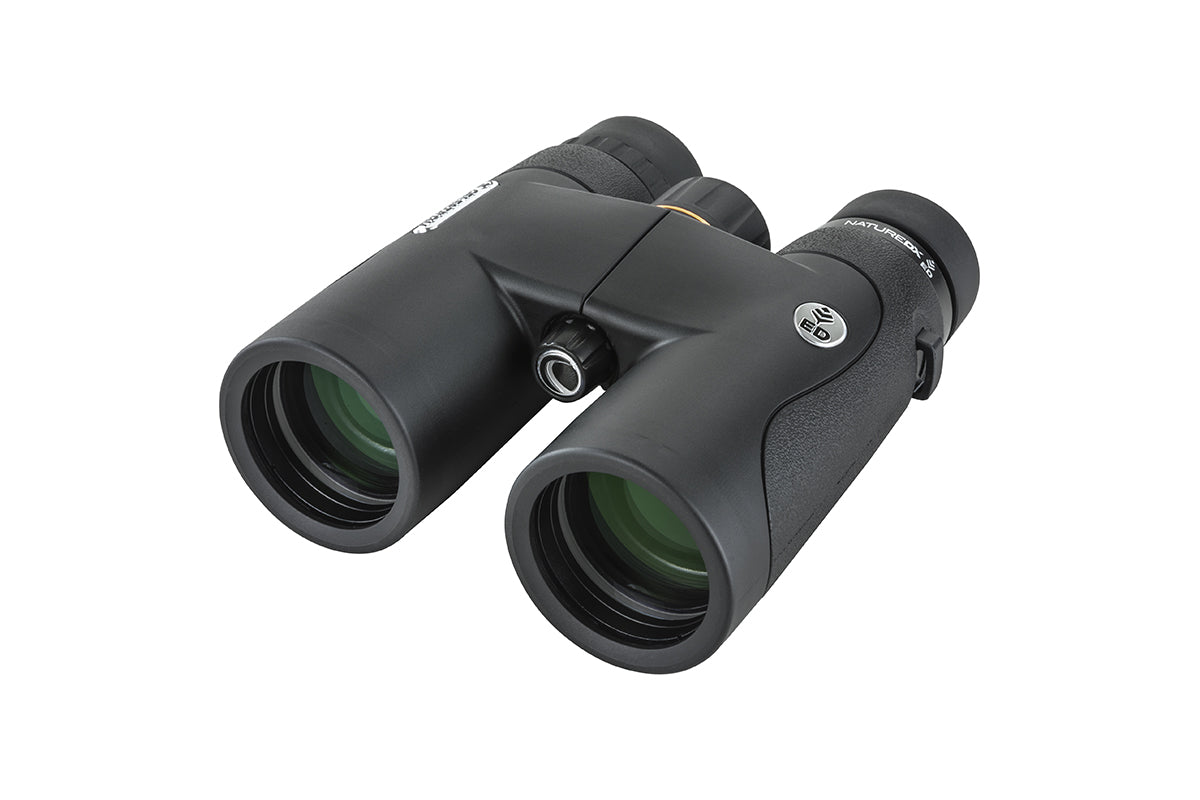
Celestron Nature DX ED 8×42
An accessible ED-glass alternative for identifying distant birds, deer, people and other conventional explanations before a shape becomes a story.
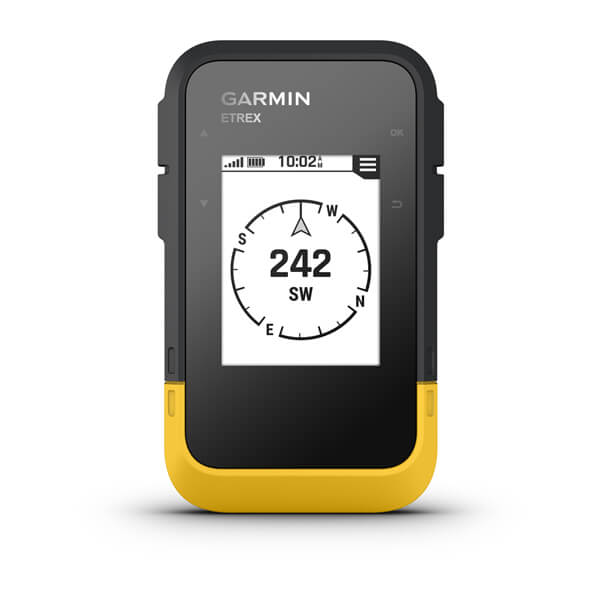
Garmin eTrex SE
A rugged handheld for saving track finds, audio stations, camera locations and a route back when mobile service disappears. Keep its waypoint with every evidence record.
Track documentation & casting

Rite in the Rain 3×5 Notebook
A pocket log for witness statements, dimensions, stride, substrate, nearby sign and a sketch of the trackway. Paper still works in rain and does not lose signal.

Sirchie PPS600 Reversible Scale
A rigid, glare-resistant L-scale built for photographing footwear and tyre impressions. It records size and helps reveal perspective distortion when placed on the track plane.
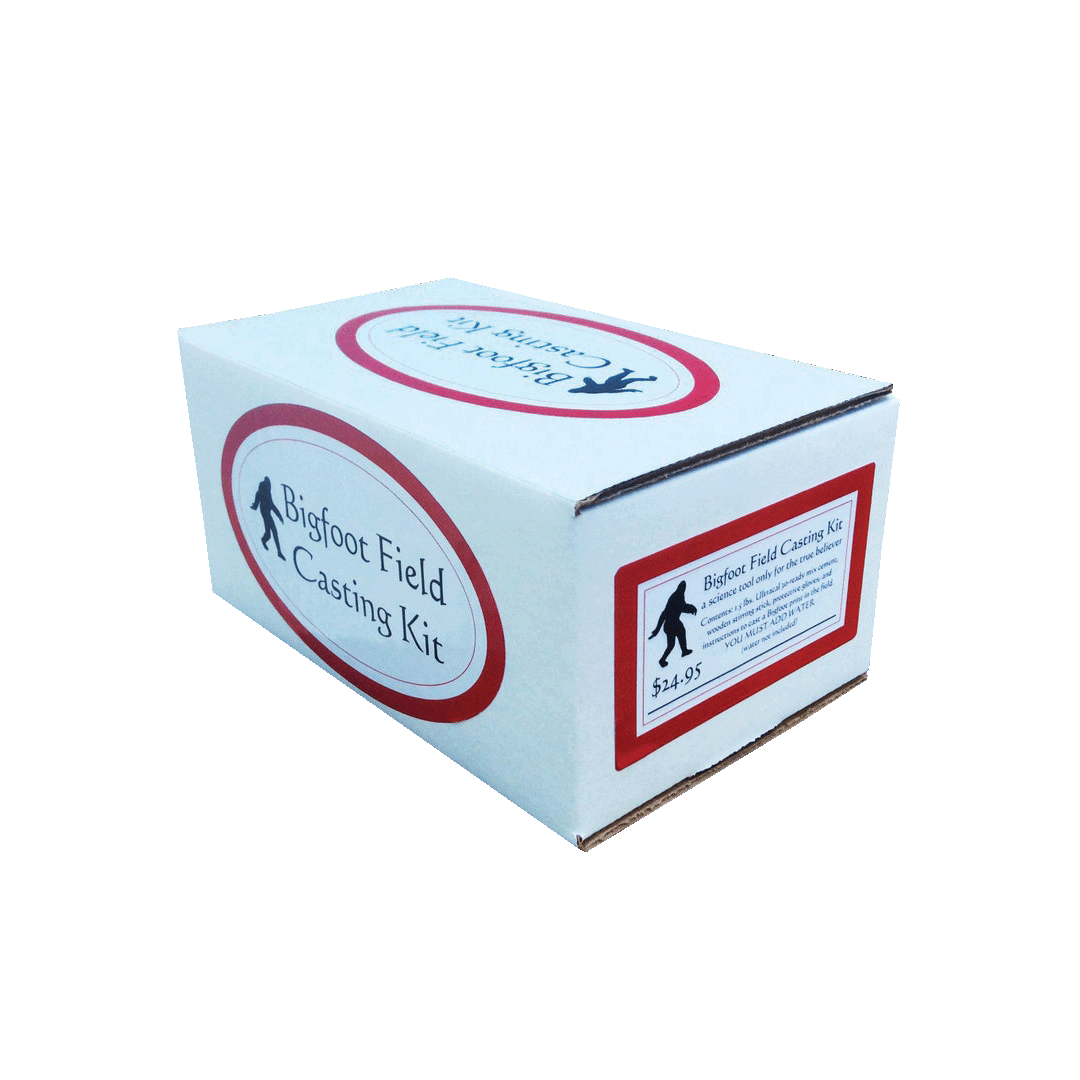
Bigfoot Field Casting Kit
A backpack-sized, add-water kit for preserving a promising impression after it has been photographed and measured. Practise on known tracks before relying on it in the field.
I propose that we move beyond the stories and into the realm of data.Cliff Barackman — The Ten Essentials of BigfootingRead the field list ↗
Whenever possible, the cast or footprint will be photographed with a scale item.Cliff Barackman — Footprint DatabaseSee the database method ↗
Cryptozoology is the study of the evidence for hidden animals.International Cryptozoology Museum — definition discussionRead the definition ↗
Watch the habitat when nobody is there.
For regular field teams with permission to return to the same study area. This tier adds long-duration camera trapping, preserved field audio and night observation. Equipment is most useful when deployments are mapped, settings are standardised and every ordinary animal is retained in the record.
Camera traps
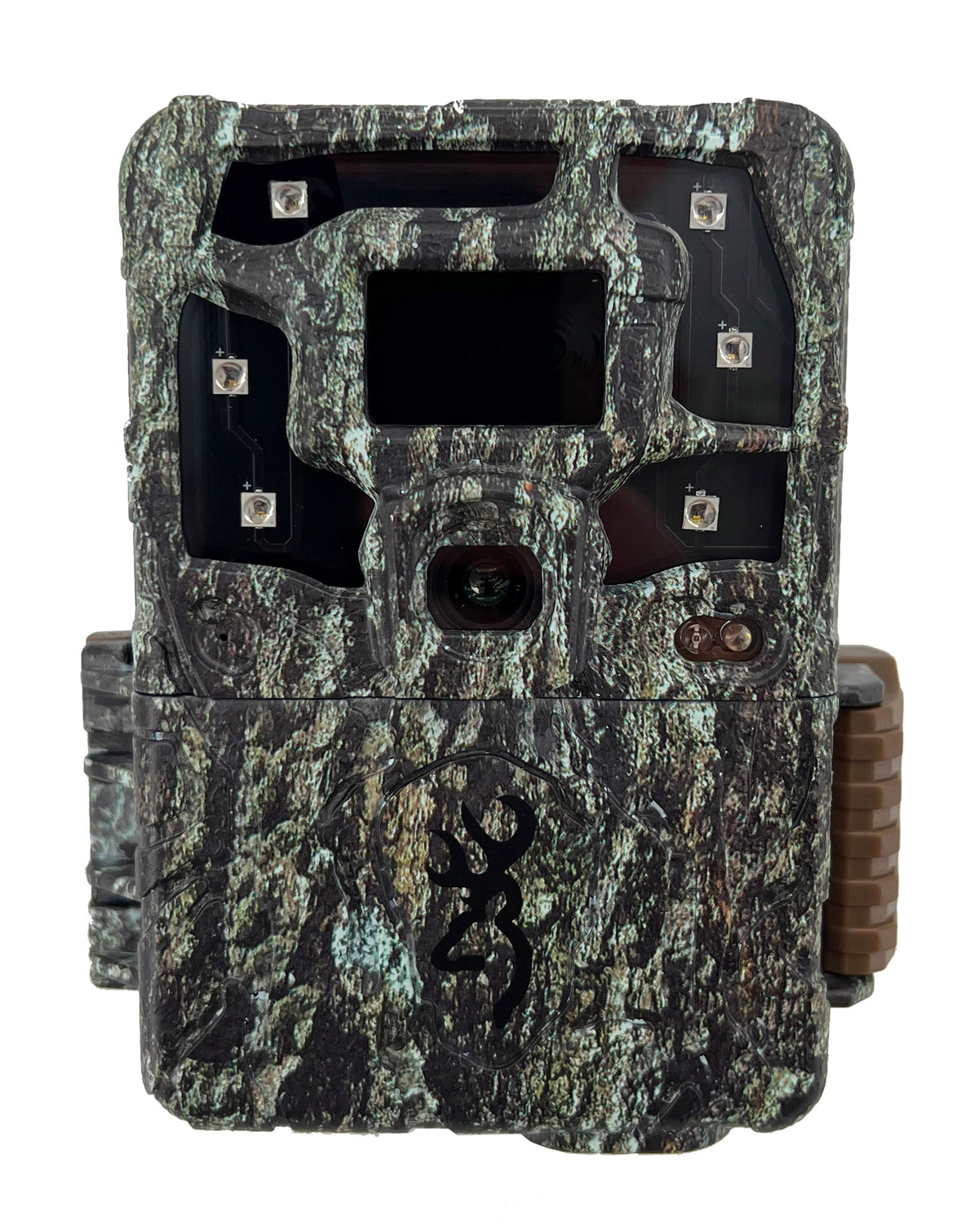
Browning Strike Force Pro X 1080
A compact non-cellular trail camera with 24MP stills, 1080p video with sound and a fast trigger. It is a practical first array camera where local retrieval is acceptable.
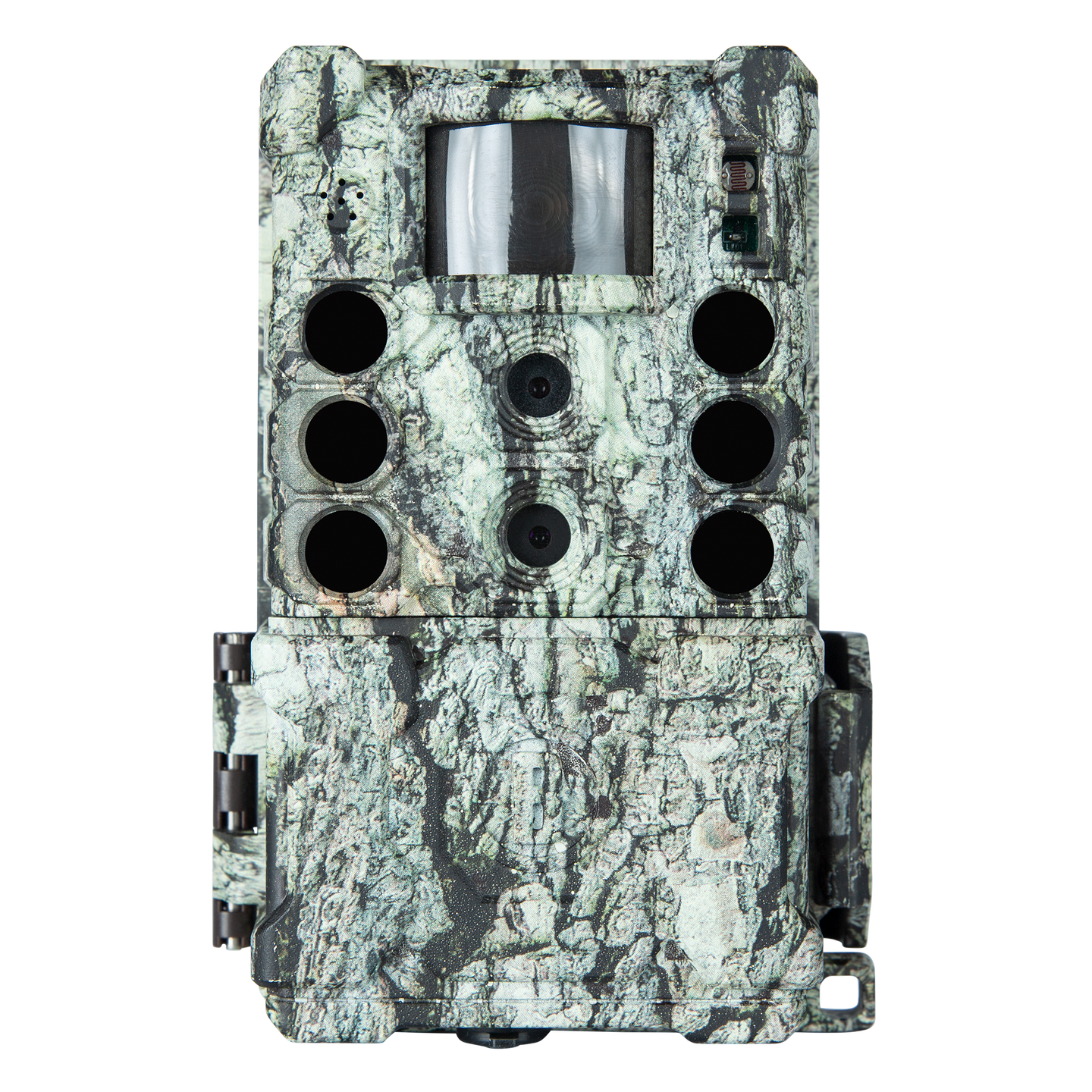
Bushnell CORE DS-4K No Glow
Dual day/night sensors, no-glow infrared, 32MP stills and 4K video make this a stronger option where visible flash or reduced night detail would alter animal behaviour.

Tactacam REVEAL X 3.0
A cellular camera with GPS and remote delivery for sites that have US network coverage. It reduces visits but requires a data plan, reliable signal and explicit landowner permission.
Field audio
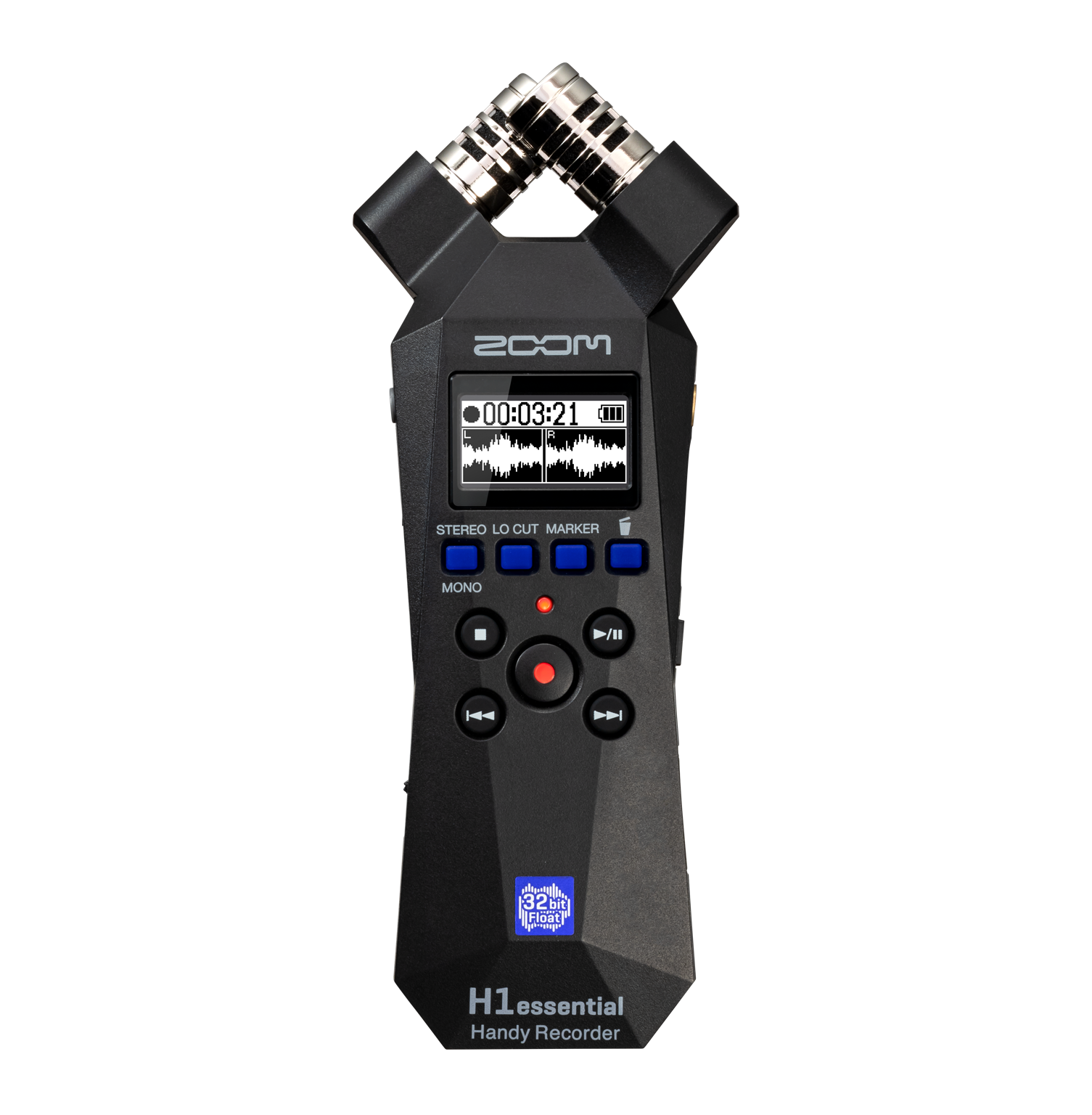
Zoom H1essential
A small 32-bit-float stereo recorder for unattended listening points and witness interviews. Log its exact location and clock, retain the untouched WAV and compare calls with known wildlife.
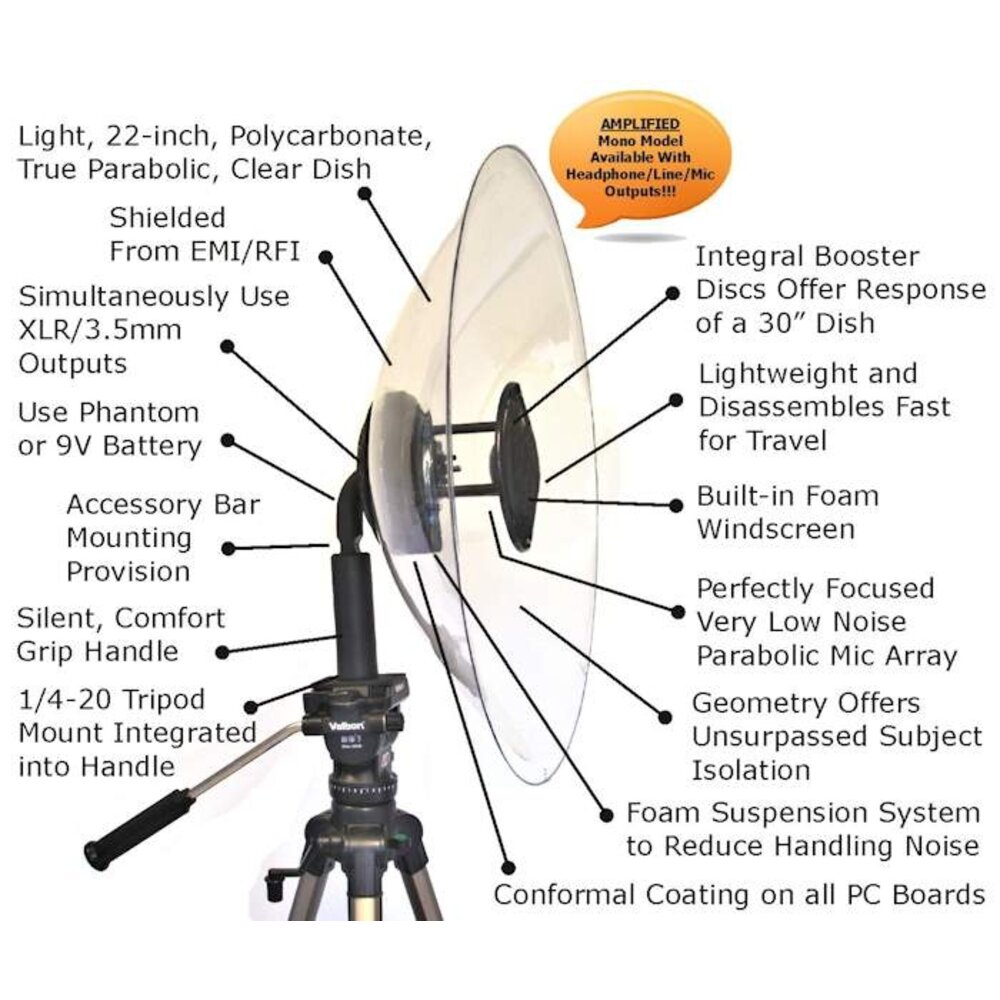
Wildtronics Pro Mono Parabolic
A 22-inch directional dish with low-noise electronics for isolating distant calls. Use it to locate and compare a source—not to infer species from a dramatic sound alone.
Night observation
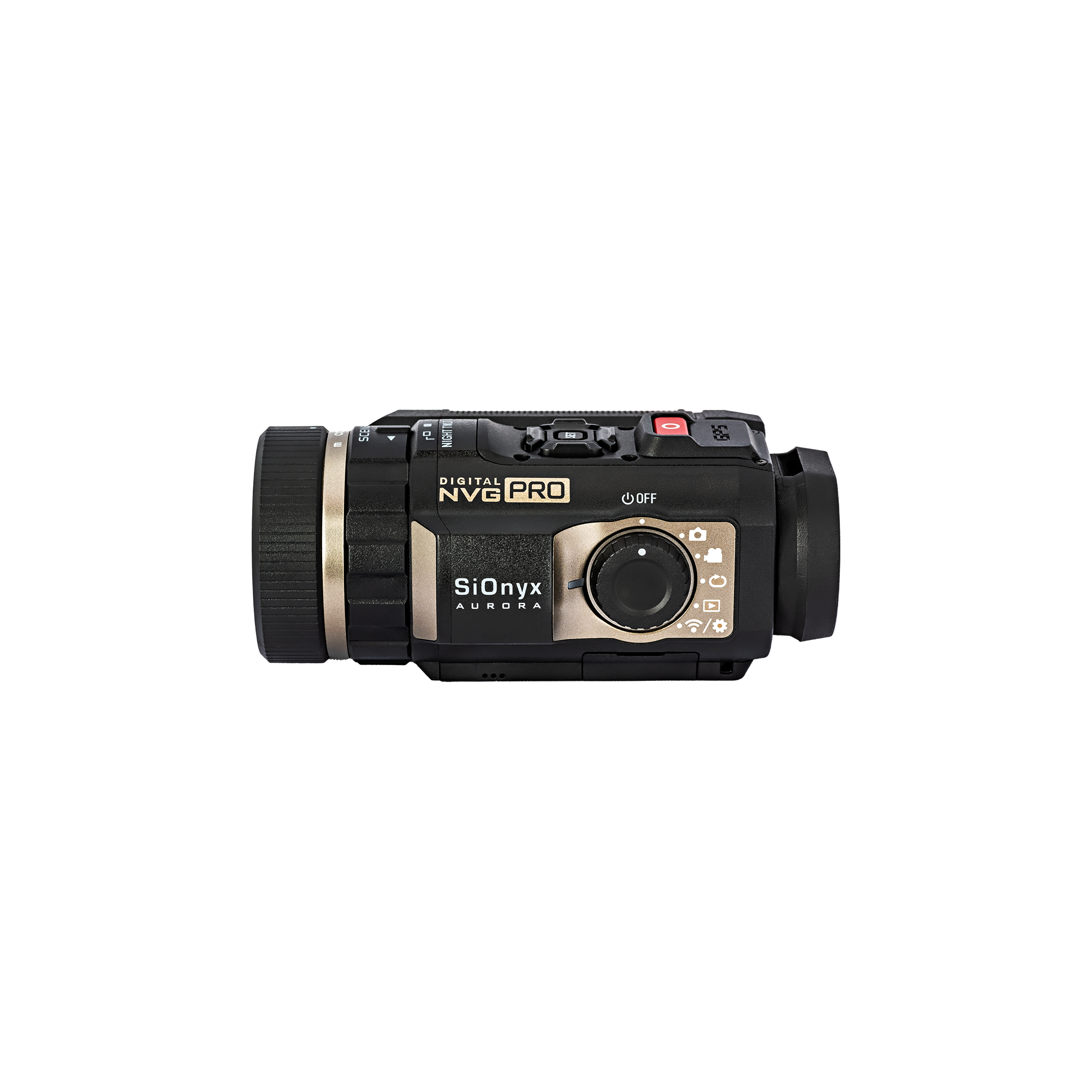
SIONYX Aurora PRO
A colour low-light camera that records video and embeds GPS, compass and motion data. It is useful in ambient starlight and preserves more scene context than an eyepiece-only device.
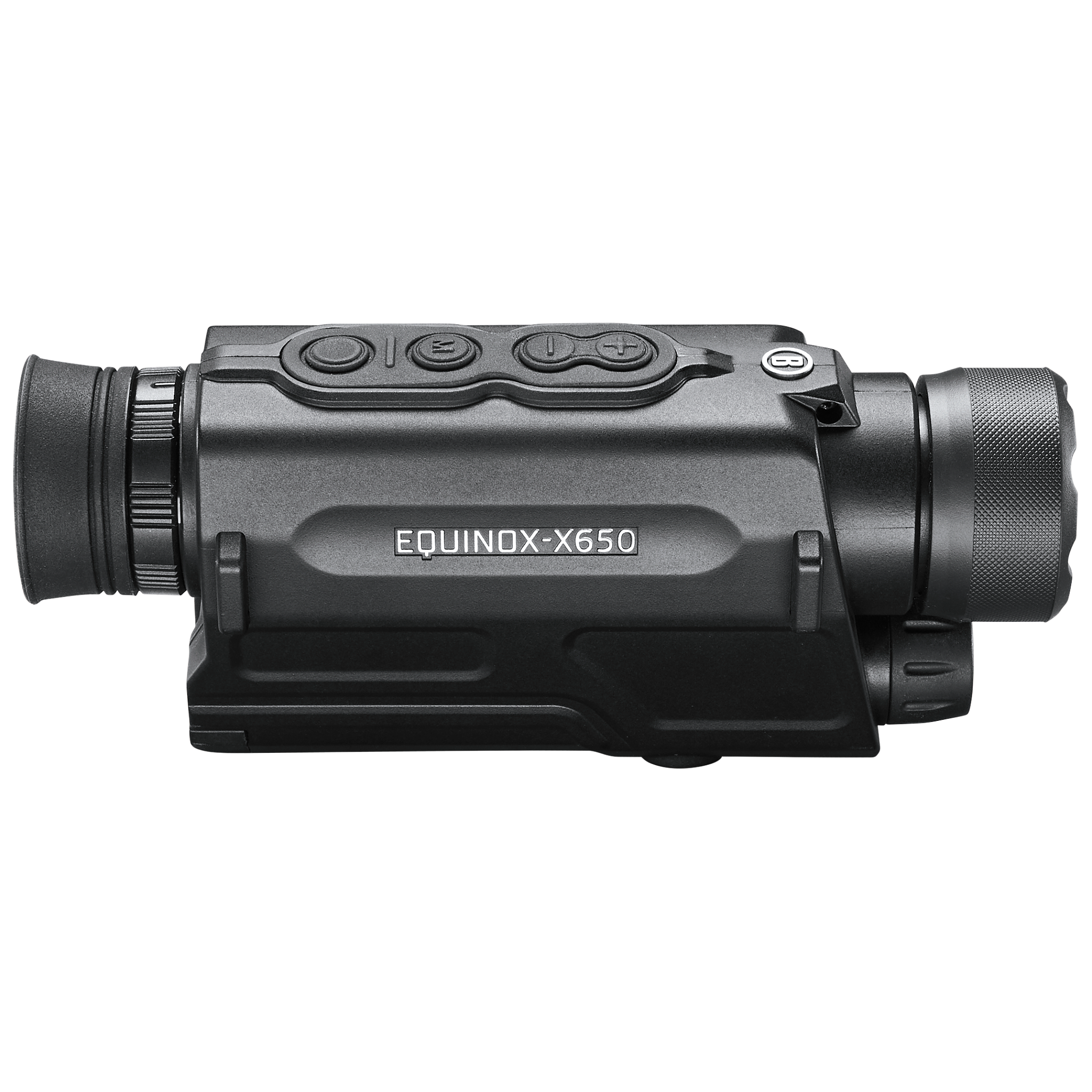
Bushnell Equinox X650
A lower-cost digital night-vision monocular with image and video capture. Its active infrared helps with nearby cover, but eyeshine, insects and out-of-focus vegetation need careful checking.
Keep arrays of camera traps running continuously to increase the odds of documenting wildlife.NAWAC — Operation Forest VigilRead the project history ↗
I think a hard-eyed look is absolutely essential.Dr George Schaller — quoted by NAWAC on field methodologySee the methodology ↗
I believe thermal imagers will be an important tool in building a body of video evidence.Cliff Barackman — Using Thermal ImagersRead the full rationale ↗
Build evidence a specialist can audit.
For experienced field teams, aquatic projects and researchers with permits, repeatable sites and documented chain of custody. Professional equipment adds capability only when thermal detections are paired with visible imagery, sonar targets are revisited and biological sampling includes sterile controls.
Long-range imaging & thermal
FLIR Scout Pro III
A current professional thermal monocular with a 640×480 display, 50mm lens and manufacturer-rated human heat detection to 1,500m. Detection is not identification—record and reacquire visibly.
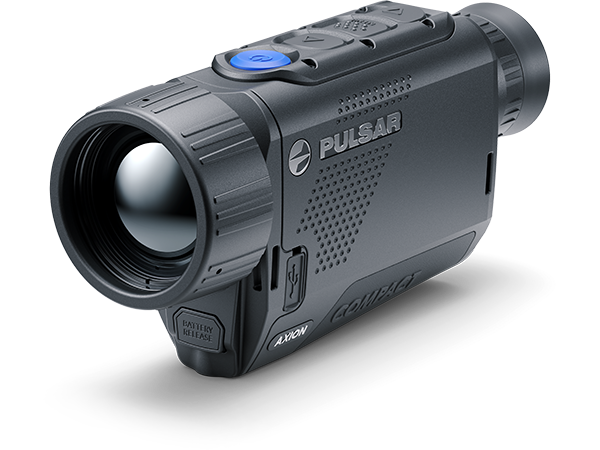
Pulsar Axion XG35 Compact
A pocketable 640×480 thermal monocular designed for short- and mid-range observation. Its recording and small size suit mobile teams working dense woodland and margins.

Sony a7S III + FE 200–600mm Rig
A high-sensitivity visible-light camera and stabilised telephoto pairing for ground-truthing distant heat signatures. Run a locked wide camera beside it to preserve location and movement context.
Aquatic investigation
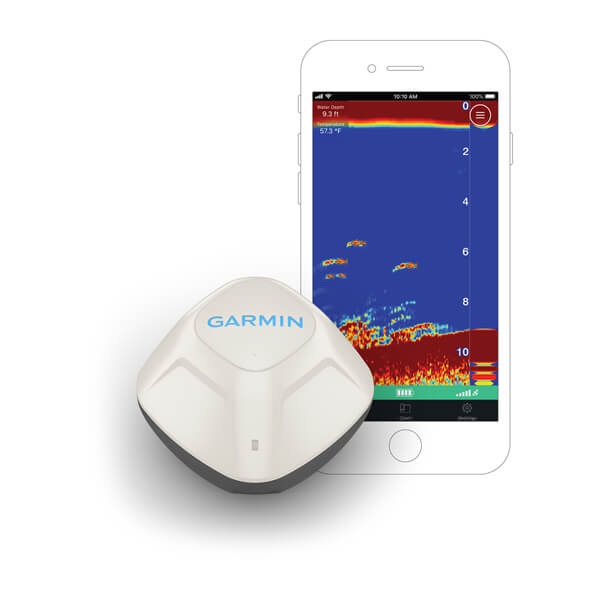
Garmin STRIKER Cast GPS
A castable sonar for mapping depth and repeatable targets from shore or a small craft. It is a useful reconnaissance tool for ponds and lochs, not an identity sensor.
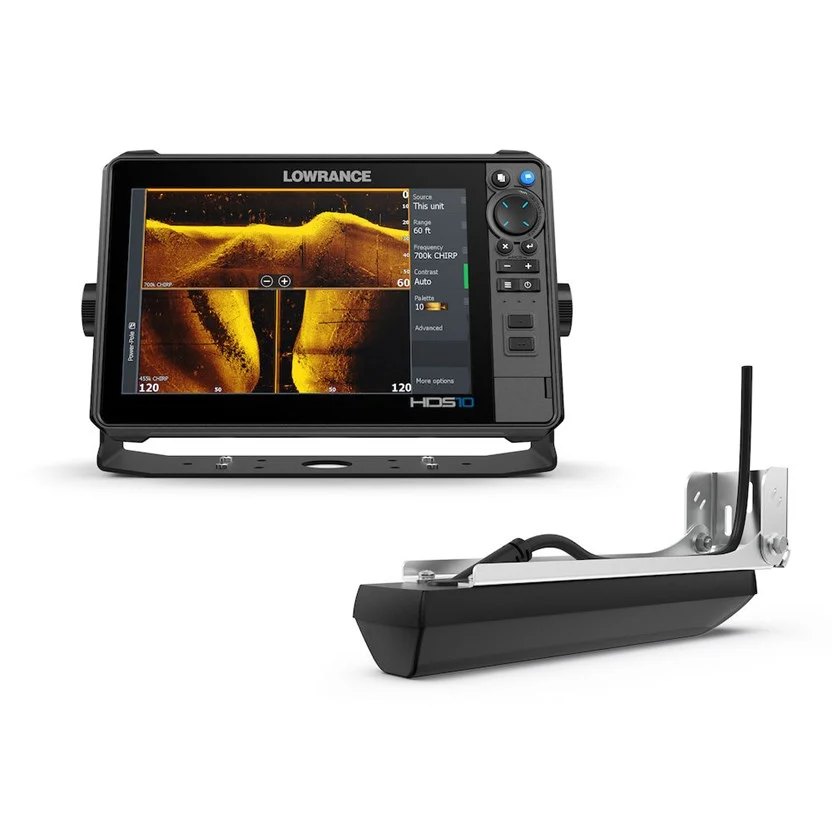
Lowrance HDS PRO 10 + Active Imaging HD
A boat-mounted CHIRP, SideScan and DownScan system for repeat surveys and structure detail. Save raw tracks and make controlled passes from more than one direction.

Aquarian Audio H2d Hydrophone
A current general-purpose hydrophone for recording underwater calls, impacts and boat noise. Pair it with sonar timecodes and a surface log so a sound has location and operational context.
Environmental DNA
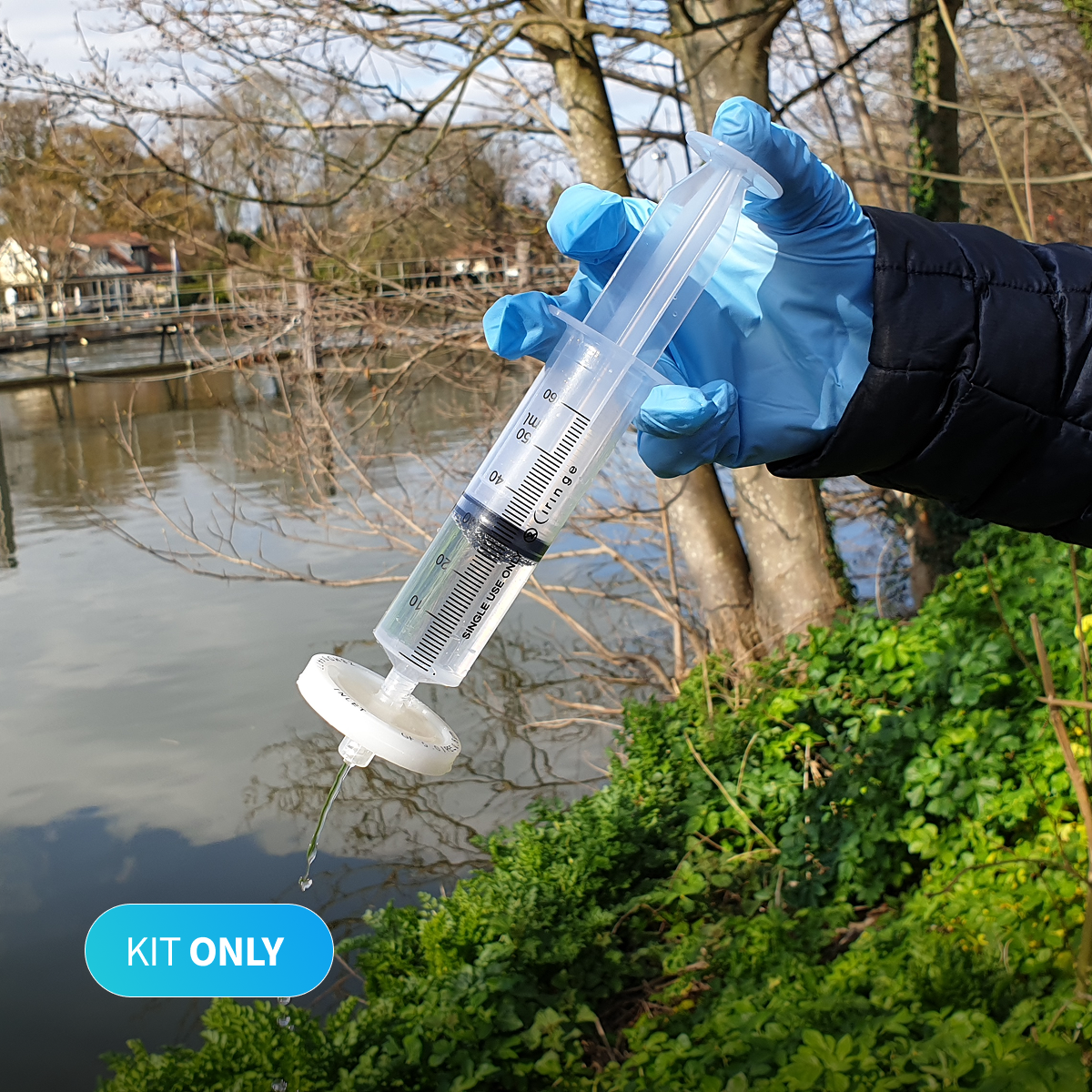
NatureMetrics Aquatic eDNA Kit
A sterile syringe-and-filter system for collecting, preserving and transporting waterborne DNA. The kit is only the field component: choose validated assays, sampling locations and controls with the laboratory first.

NatureMetrics Soil eDNA Kit
A controlled route for terrestrial biodiversity sampling around repeated sign or habitat. Consult the lab before collection; the reference database and selected assay determine what can actually be reported.
Sonar, although a long range tool, lacks definition, and its prime role lies in demonstrating the presence of something of interest.Adrian Shine / Loch Ness Project — sonar field rationaleRead the project paper ↗
It is an extremely powerful and robust tool to document the living things present in a given place.Professor Neil Gemmell — on eDNARead the study findings ↗
Kits should be used one at a time to minimize contamination between samples.NatureMetrics — field sampling protocolRead contamination controls ↗
The equipment that gets everybody home.
Evidence is secondary to the team. Every field pack should cover footing, first aid, independent light, power, water, food, warmth, notes and a route home. Add satellite communication only when the site is genuinely beyond reliable mobile coverage.
This same baseline applies in a locked building, at a skywatch site or in remote woodland; adjust it to the terrain, weather, local law and your team’s medical needs.
National Park Service Ten Essentials ↗ Red Cross first-aid checklist ↗Shared field kit

Salomon X Ultra 5 Mid GORE-TEX
A grippy, waterproof mid-height hiking boot for wet grass, mud and uneven ground. Fit matters more than brand: try boots with investigation socks and break them in before a night in the field.
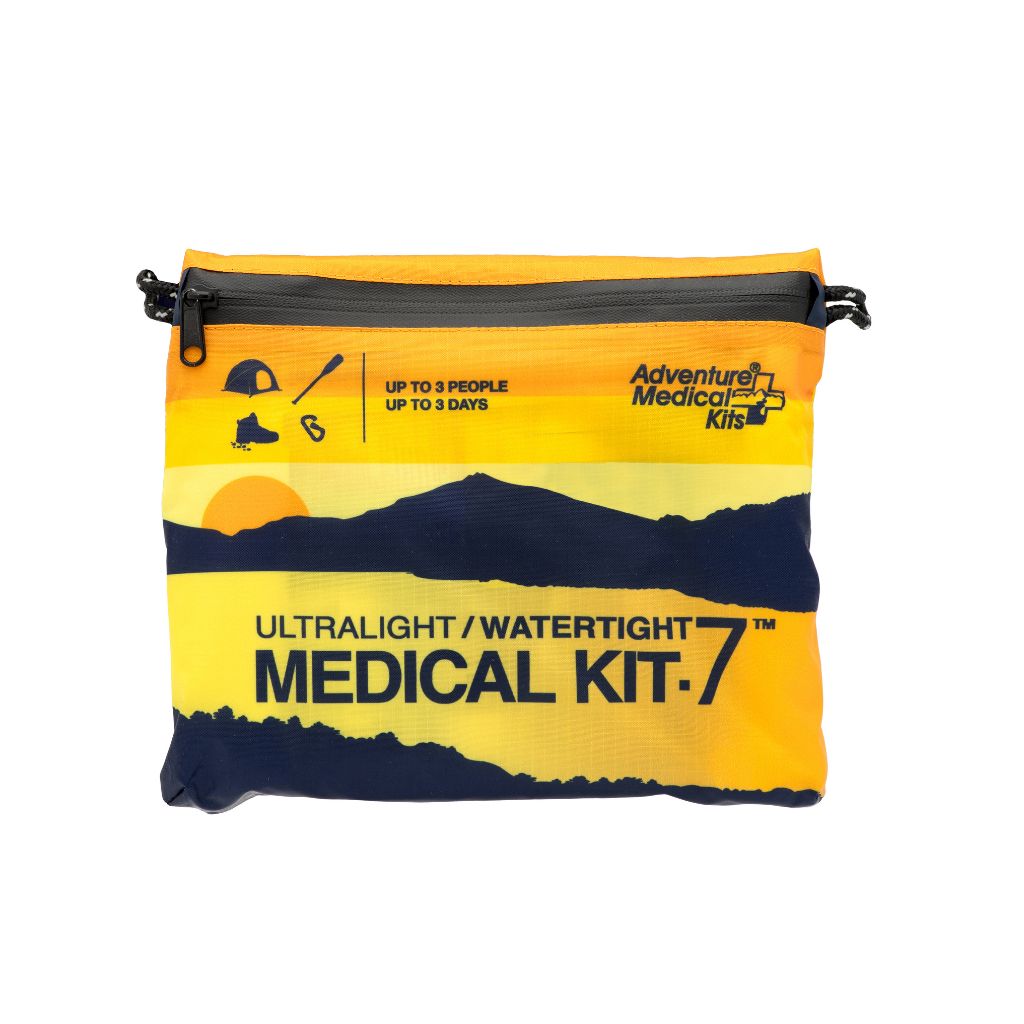
Adventure Medical Kits Ultralight / Watertight .7
A compact water-resistant first-aid kit sized for one or two people. Add personal medication, blister care and anything identified by your training; inspect contents and expiry dates before every trip.

Petzl ACTIK CORE
A 625-lumen rechargeable headlamp with red mode and AAA backup compatibility. Keep a separate hand torch and spare cells so one failure cannot leave the team in darkness.

Anker Prime Power Bank 20K
A 20,100mAh USB-C bank for phones, recorders and compatible cameras. Charge and test it before leaving, carry the correct cables and keep it dry and away from damaged cells.
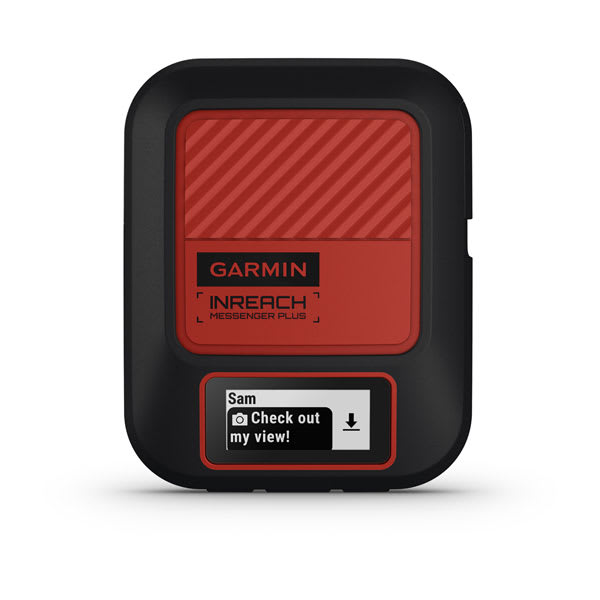
Garmin inReach Messenger Plus
A two-way satellite communicator for genuinely remote sites beyond mobile coverage, with messaging, location sharing and interactive SOS. It requires an active subscription and a clear-sky test before departure.
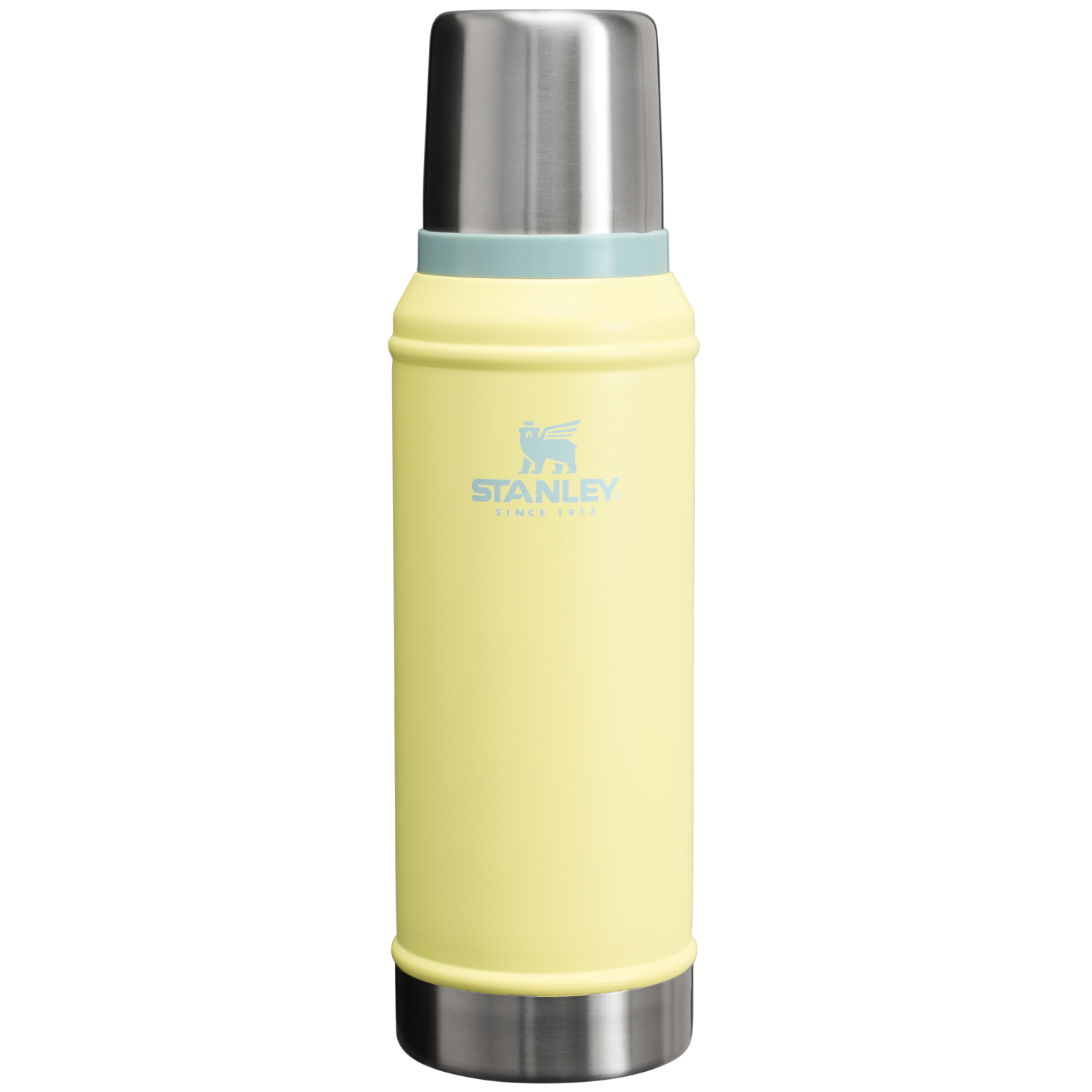
Stanley Classic Legendary Bottle 1.0 qt
A rugged one-litre vacuum flask for hot or cold drinks. Also pack plain water and more no-cook food than the planned session needs; a hot drink does not replace hydration.
Pack every time
Make the find examinable.
Begin with context and move inward. A useful case records where the evidence was, what surrounded it, how it was measured, what ordinary explanations were tested and exactly what happened to every original file or sample.
Field safety
Get landowner permission and required permits before cameras, drones, sampling or boat work. Do not trespass, harass wildlife, disturb dens or use snares, baited traps or firearms. Wear gloves around biological material, use a personal flotation device on water, tell somebody your route and follow local access, protected-species and recording laws.