
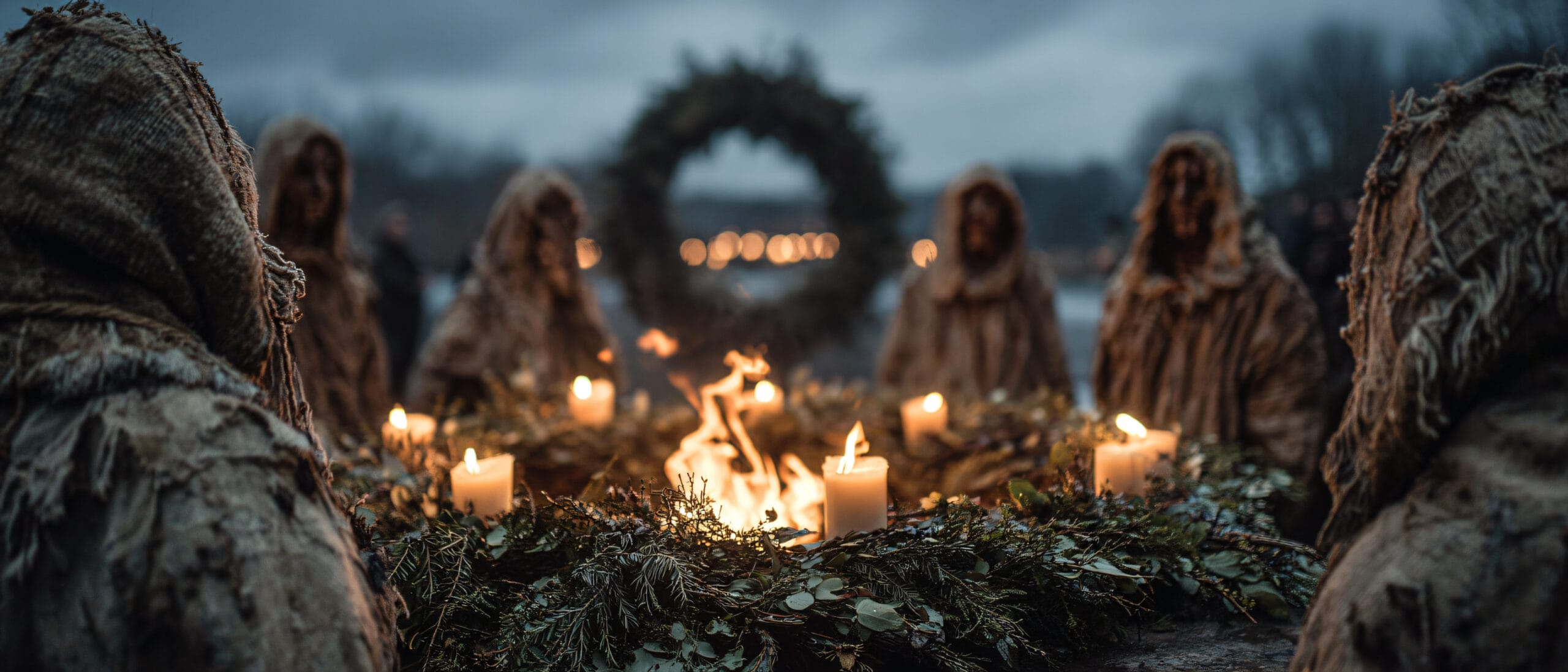
The Unknown Quest Ritual & Intention File 01
Manifesting& Spiritual Protection
Across spiritual and folk traditions, people have used prayer, intention, visualisation, symbols, cleansing and ritual boundaries to create a sense of protection before entering unfamiliar or emotionally charged spaces.
Ritual as a boundary
Before you enter,
decide how you leave.
Spiritual protection means different things in different traditions. For some people it is prayer. For others it is visualisation, protective jewellery, smoke, salt, water, scripture, ancestor invocation or simply a deliberate statement of personal boundaries.
The Unknown Quest treats these as belief-based and cultural practices, not scientifically proven barriers against paranormal forces. Their value may be religious, symbolic, psychological, communal or personal depending on the practitioner.
What these practices often share is structure: prepare yourself, state what you intend to do, create a boundary, conduct the experience and deliberately close it afterwards.

The ritual arc
Before. During.
After.
A simple structure is often more useful than carrying a bag full of objects you do not understand or normally use.
Set the boundary.
Decide why you are going, what you are comfortable with and what would make you stop. Use a familiar prayer, visualisation or statement of intention if that forms part of your practice.
- Slow your breathing and settle before beginning.
- State your purpose clearly and simply.
- Choose a personal boundary: “I observe; I do not invite.”
- Agree an exit signal with anyone investigating with you.
Stay anchored.
Keep part of your attention on ordinary reality: where you are, who is with you, what the environment is doing and how you actually feel.
- Keep track of time and surroundings.
- Do not escalate a ritual simply because nothing happens.
- Pause if anyone becomes frightened or overwhelmed.
- Record the experience before interpreting it.
Close it deliberately.
Ending matters. Many traditions include a closing prayer, thanks, extinguishing a candle, washing, changing clothes, eating or simply stating that the session is over.
- Say clearly that the investigation or ritual has ended.
- Pack away objects rather than leaving ritual material behind.
- Return to normal light, conversation, food and surroundings.
- Review evidence later, not while adrenaline is still high.
Common approaches
Protection without
the shopping list
You do not need every object associated with every spiritual tradition. Choose practices that actually belong to your beliefs or that you understand well enough to use respectfully.

The meaning is often in the relationship.
Crystals, medals, crosses, written prayers, jewellery and inherited objects can all be used as protective or grounding items. Their role may come from religious tradition, modern spiritual belief, family association or simply the confidence they give the person carrying them.
The important distinction is between saying “this object is meaningful in my practice” and presenting a particular material as though its paranormal effect has been scientifically established.
Cultural context
Similar objects.
Different meanings.
Do not build a “protection kit” by stripping rituals out of context.
Salt, smoke, holy water, iron, prayer beads, protective writing and sacred plants can all appear online under the same heading. They do not come from one universal system, and they do not mean the same thing simply because all have been associated with protection.

Practical boundaries
Protection also means
knowing when to stop
Spiritual preparation should sit alongside ordinary safety, not replace it. A prayer does not make an unsafe building stable, a charm does not make trespassing lawful and a cleansing ritual does not remove the need to look after your own state of mind.

The TUQ Protection Protocol
Five steps.
Keep it simple.
Use this as a neutral framework and replace the spiritual element with whatever genuinely belongs to your own beliefs or tradition.